Intro to Veterinary Profession (PKV) is a program that aims to increase students’ knowledge and experience about various work environments related to veterinary medicine field, including honing the skills for animals handling, stall and stable management, expanding networks with stakeholders and professionals, and training both hard skills and soft skills needed in the field of veterinary medicine.
One of the places where students can participate in the program is Octagon Stable Equestrian School, located on Jl. Padma Desa, Kowen I, Timbulharjo, Sewon District, Bantul Regency, Special Region of Yogyakarta. At this location, students can participate in the PKV from December 24th, 2025, to January 4th, 2026. The material was delivered by Arya Dwi Prasetya, the owner and manager of Octagon Stable.
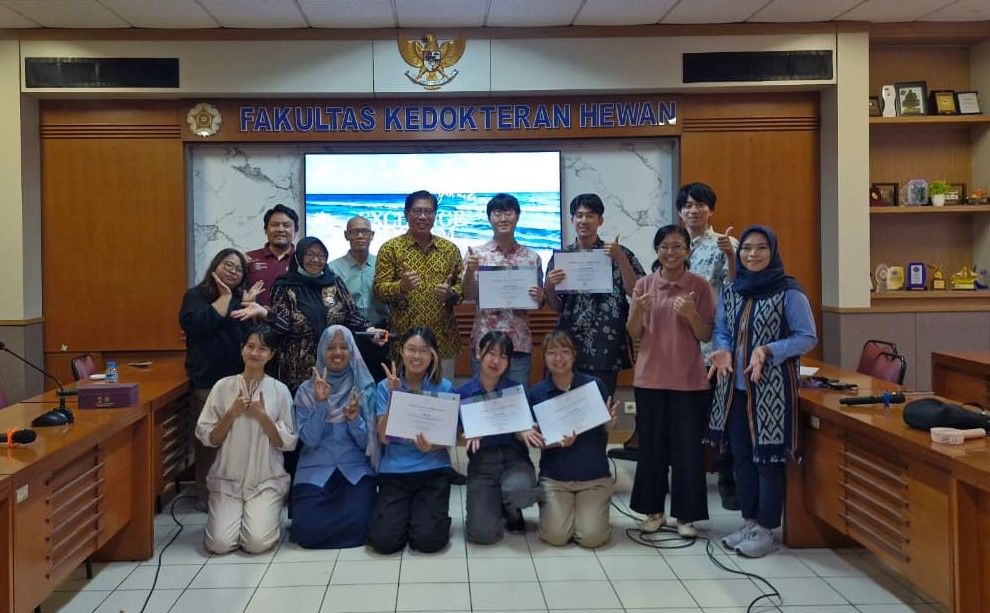
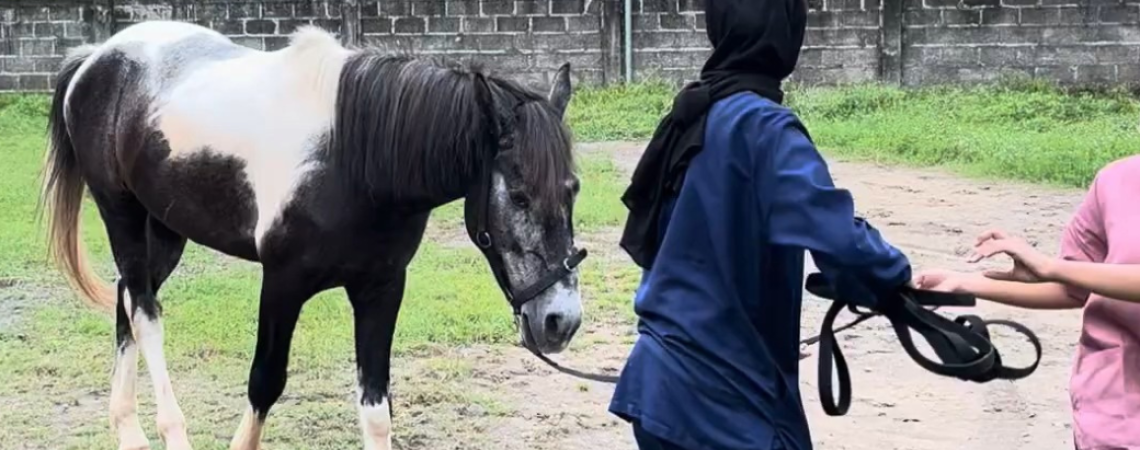
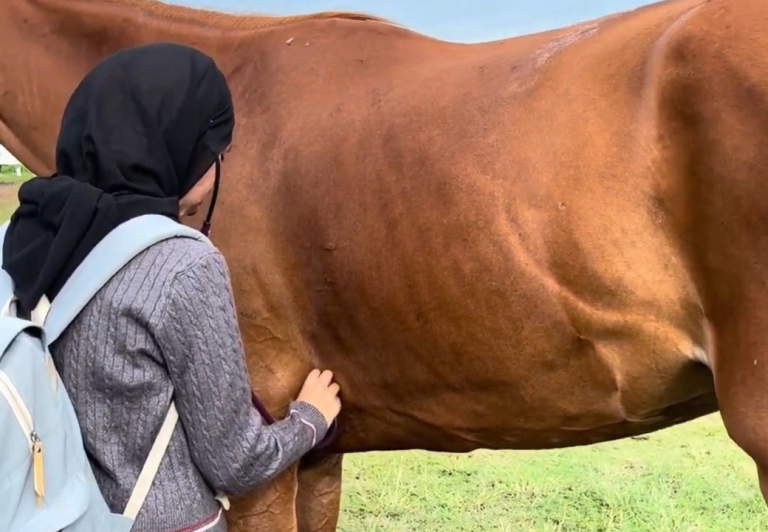
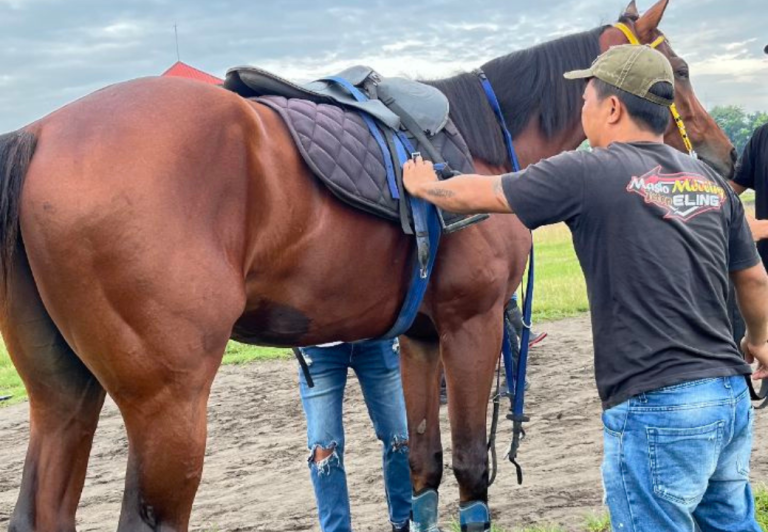
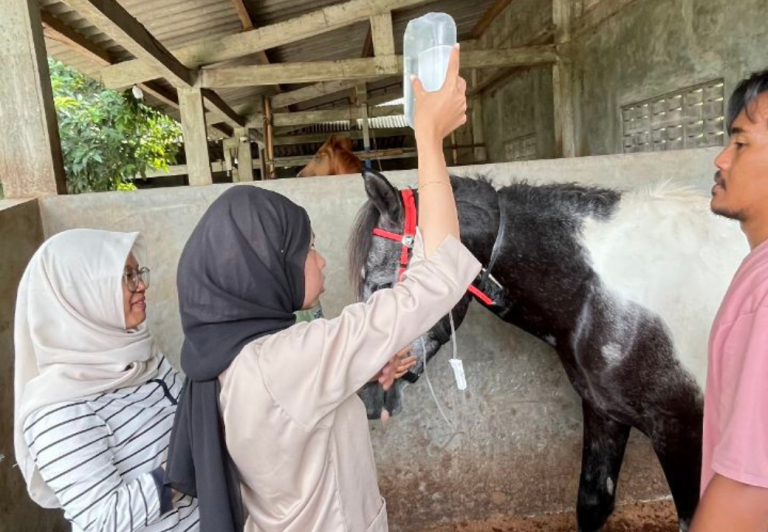
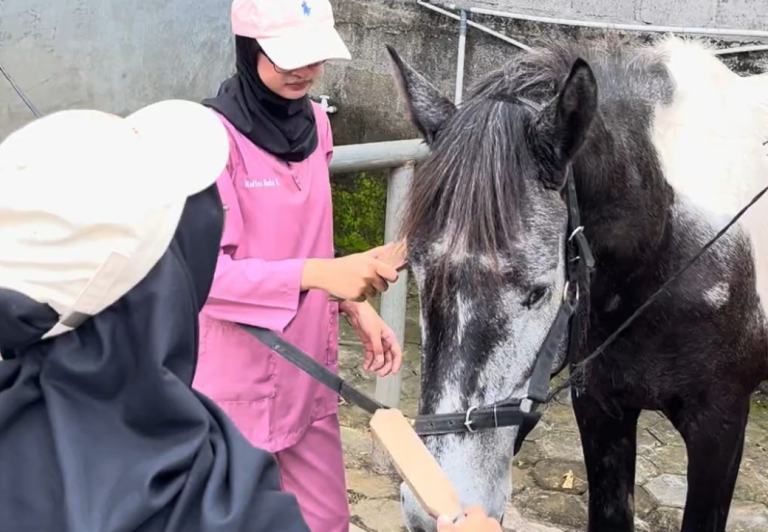
On the first day, students learned about various types of horses, including local horses, Indonesian Race Horse (KPI), and Crossbred Horses (KP), as well as an introduction to the equipment used in horse riding activities. On the second day, the students learned about horse anatomy. Next, on the third day, students learned about horse grooming techniques, taping, and halter installation. On the fourth day, the subject was focused on horse feeding management. On the fifth day, intravenous and intramuscular drug administration techniques were discussed. On the sixth day, students learned how to check dehydration status and determine a horse’s age, as well as how to handle colic and post-colic care. On the seventh day, they learned how to examine the racehorse condition, including measuring the horse’s heart rate, body temperature, height, and weight, as well as practicing how to administer an IV to a horse. The PKV at Octagon Stable was concluded on the eighth day with a presentation of the students’ learning outcomes to during the PKV implementation.
The PKV program at Octagon Stable not only serves as a learning platform for Veterinary Medicine students but also directly relates to several Sustainable Development Goals (SDGs). Various activities conducted during the PKV reflect the efforts to support animal health, improve the quality of education, and implement responsible horse husbandry management.
This PKV activity is related to SDG 3 (Healthy and Well-Being) through learning and practice focused on horse health and welfare. During the activity, students learn how to recognize signs of health problems in horses, such as colic, understand the causes, and understand the steps for early treatment and prevention. Students also learn the importance of maintaining a balance between feed, drinking water, stable cleanliness, and physical activity for horses to maintain their health and comfort. This demonstrates the role of veterinarians in supporting sustainable animal welfare. Furthermore,
PKV activities at Octagon Stable also align with SDGs 4 (Quality Education) and SDGs 15 (Life on Land). Through hands-on learning in the field, students gain real-world experience that complements lecture material. Student involvement in activities such as grooming, restraining horses, feeding, hoof-filing, and introducing them to equestrian equipment helps them gain a more comprehensive understanding of the veterinary profession. The mentoring provided during these activities also supports a more effective learning process. This PKV activity also supports SDG 12 (Responsible Consumption and Production) through the implementation of systematic feed and barn management. Students learn how to calculate a horse’s daily feed requirements, organize feeding schedules, and the importance of maintaining a clean barn and surrounding environment. This practice encourages more efficient and responsible resource use in horse care.
Through PKV activities at Octagon Stable, students not only gain academic and practical field experience, but also understand that the veterinary profession has a vital role in maintaining animal health, improving the quality of education, and supporting sustainable husbandry practices in line with global development goals. This activity also supports SDGs 17 Partnerships for the Goals.