“Poultry Outlook 2026–2027: Resilience and Sovereignty of the National Poultry Industry for Food Stability Amidst Dynamic Import Policies, Strategic Investments, and Strengthening of the Veterinary System”
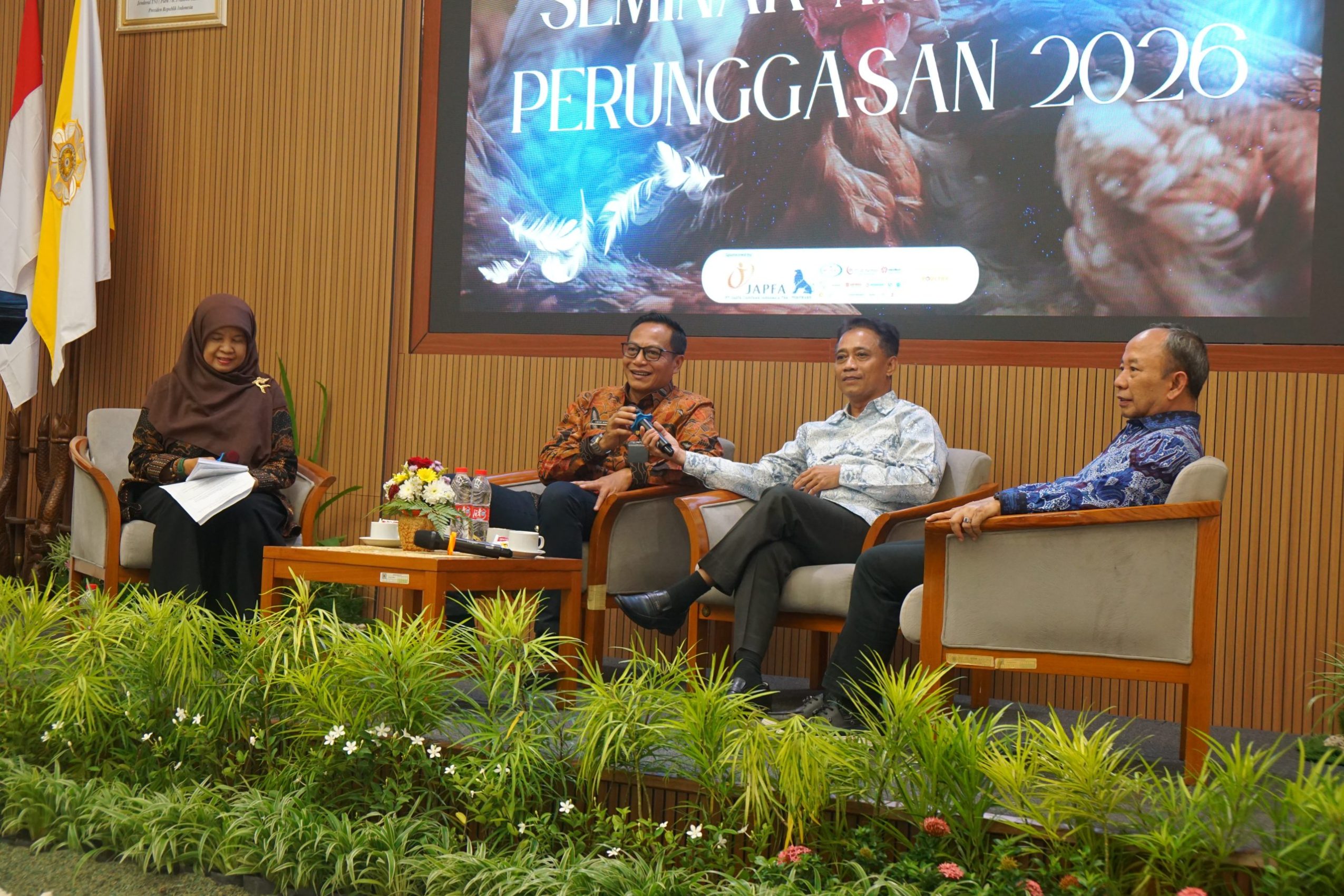
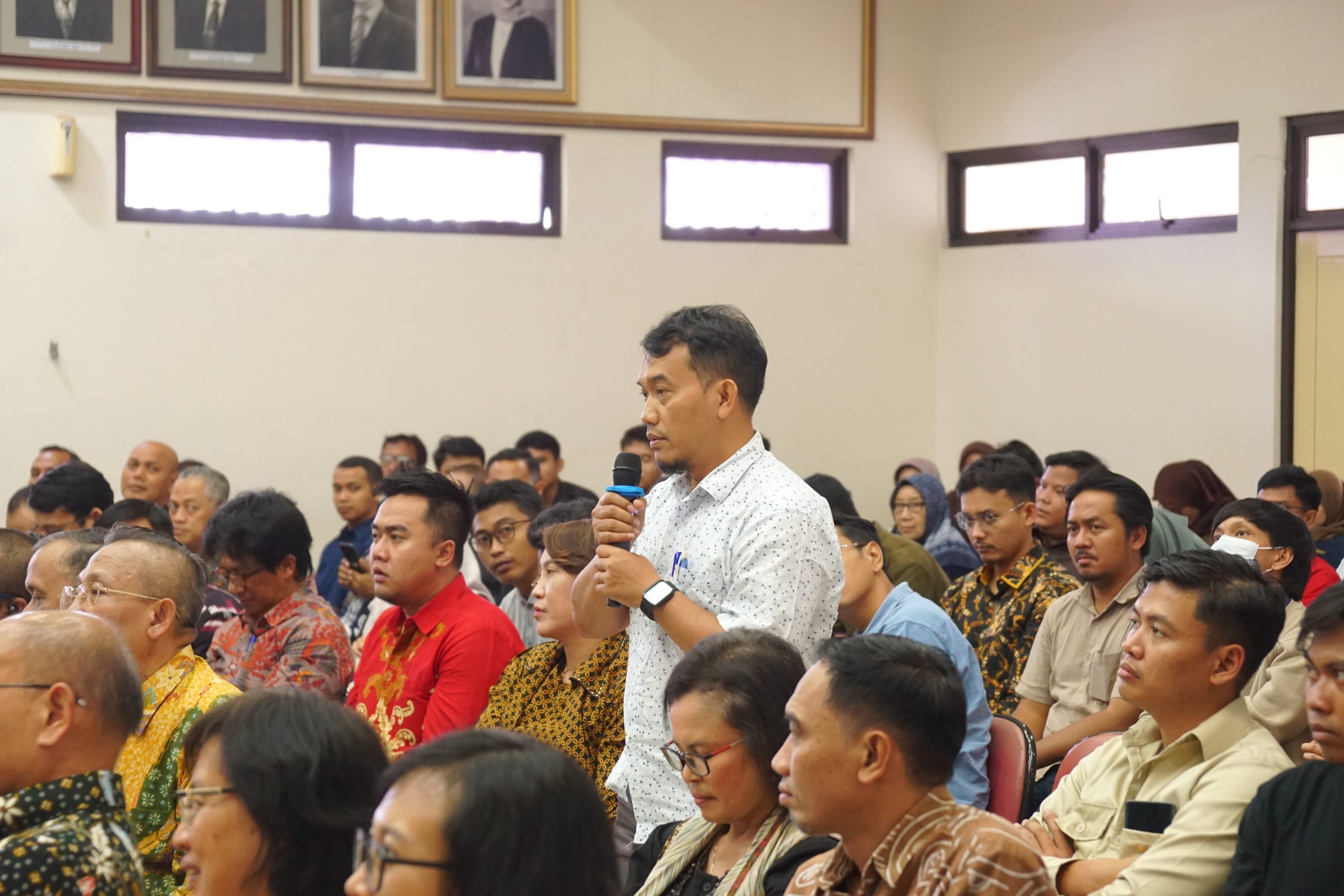
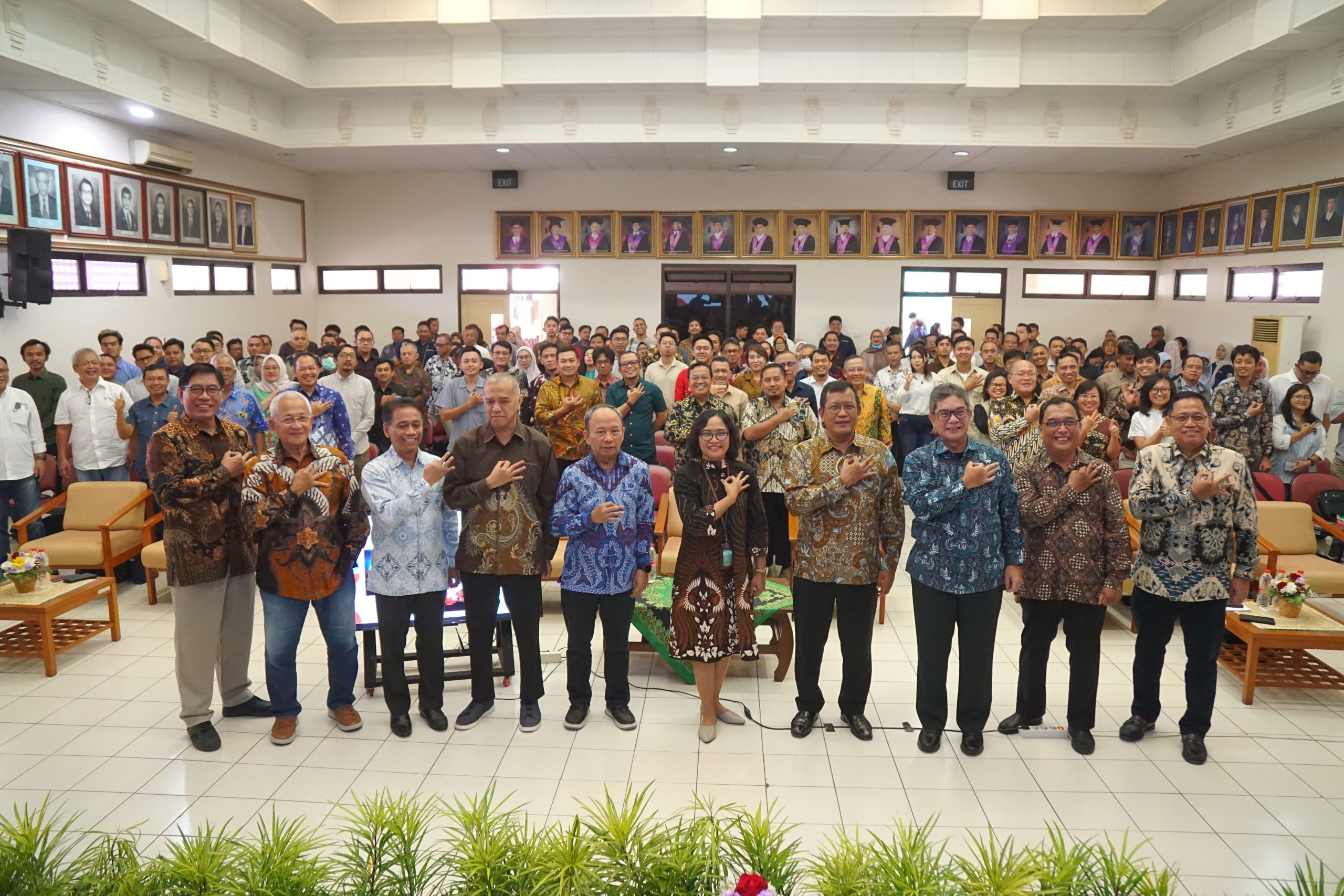
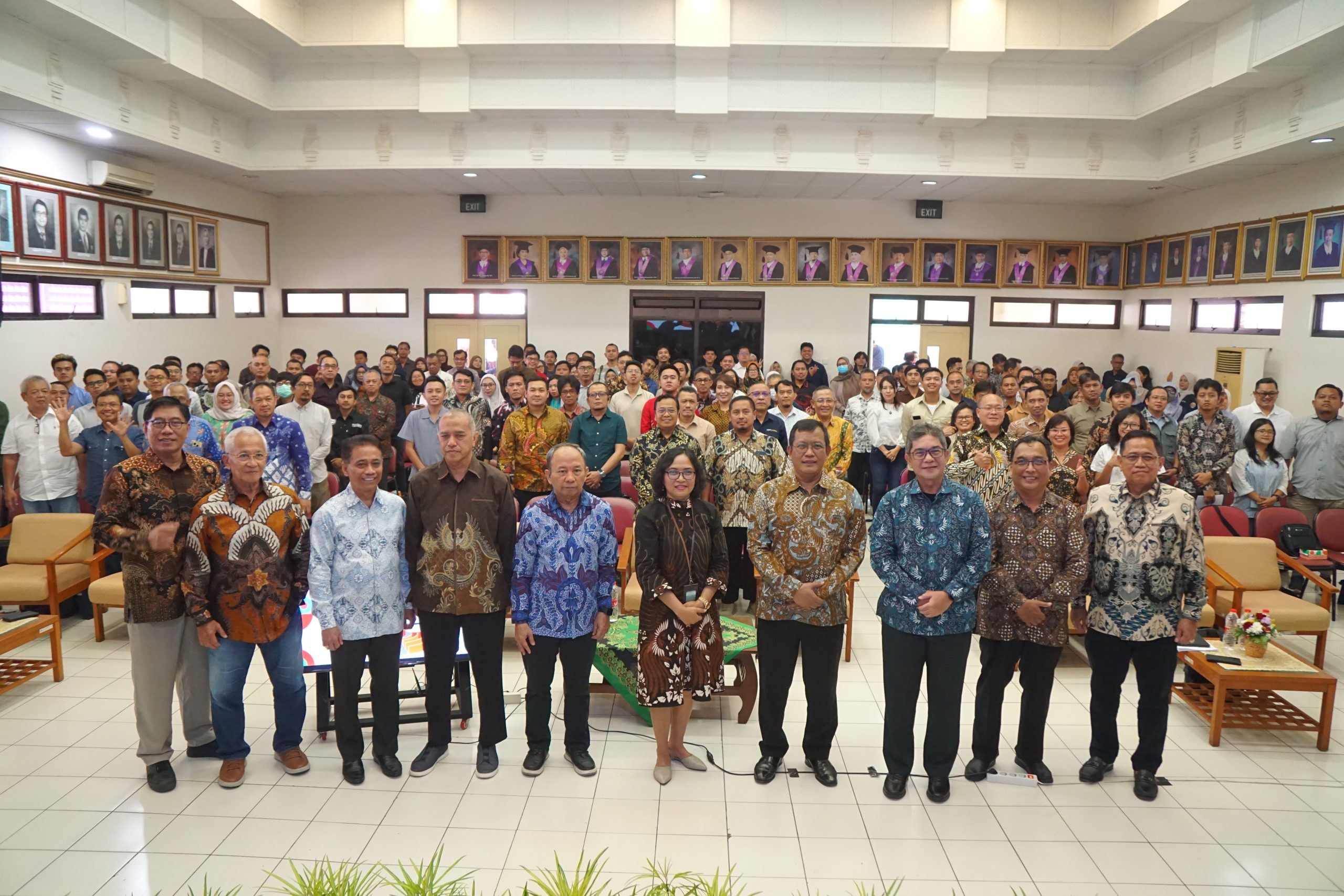
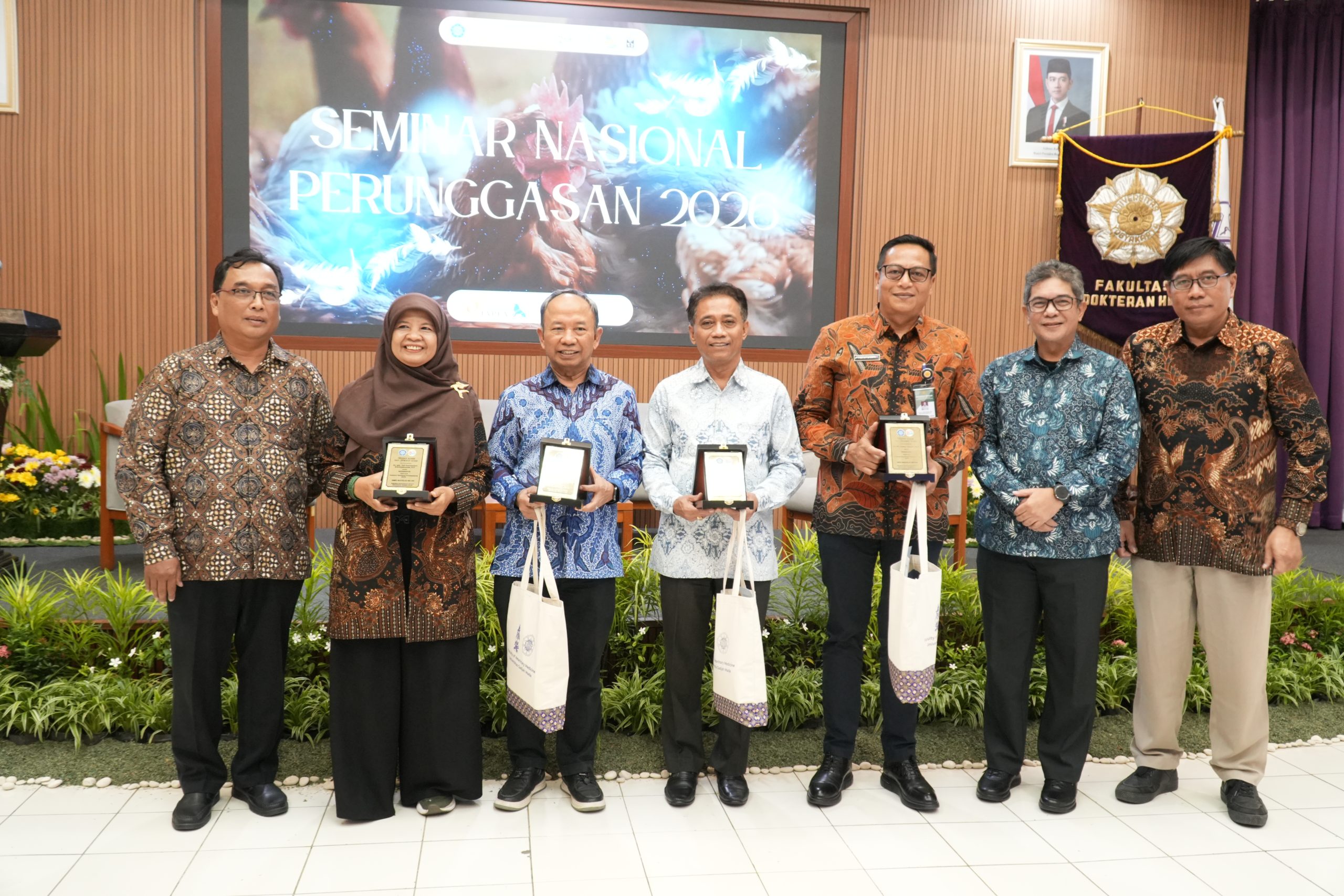
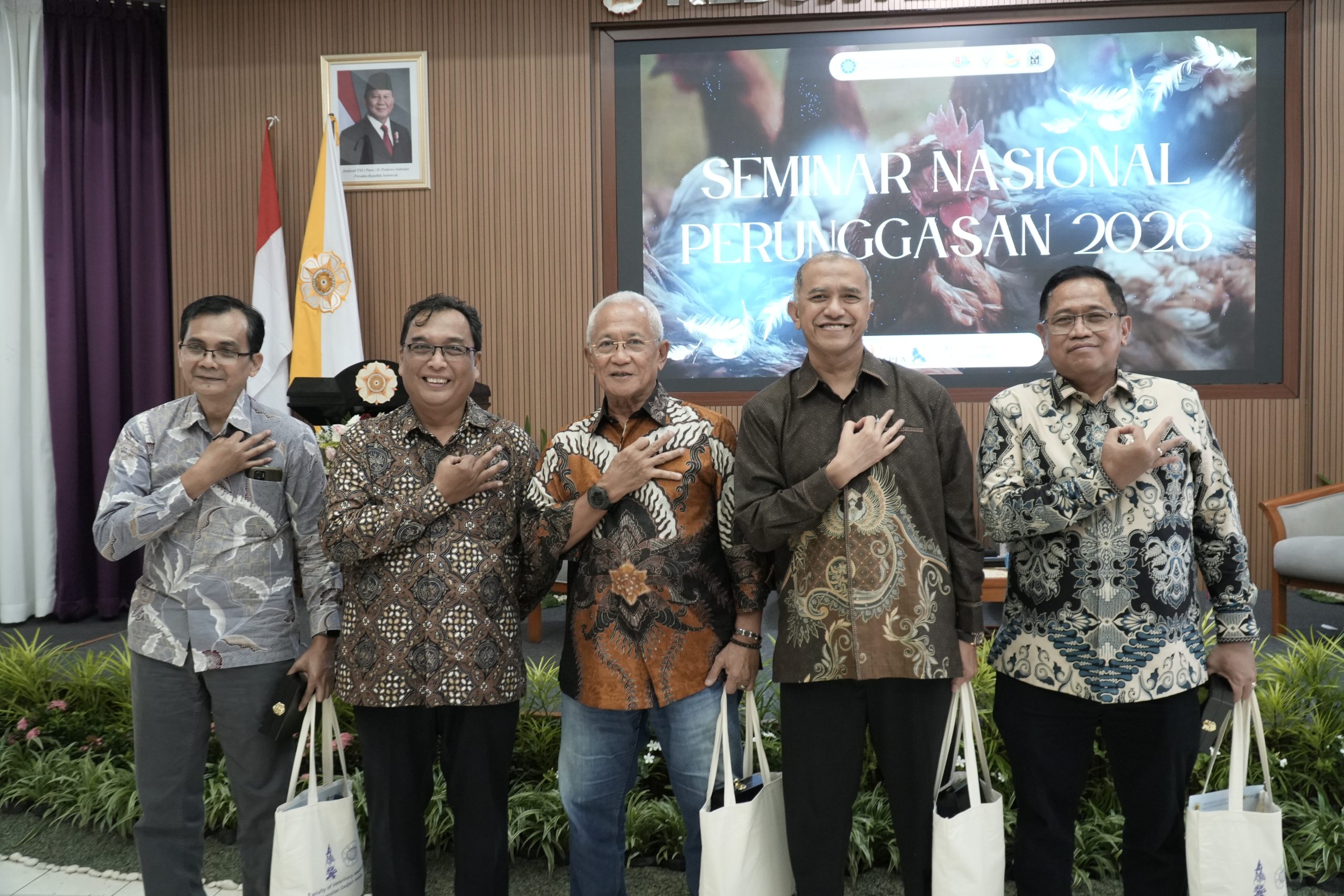
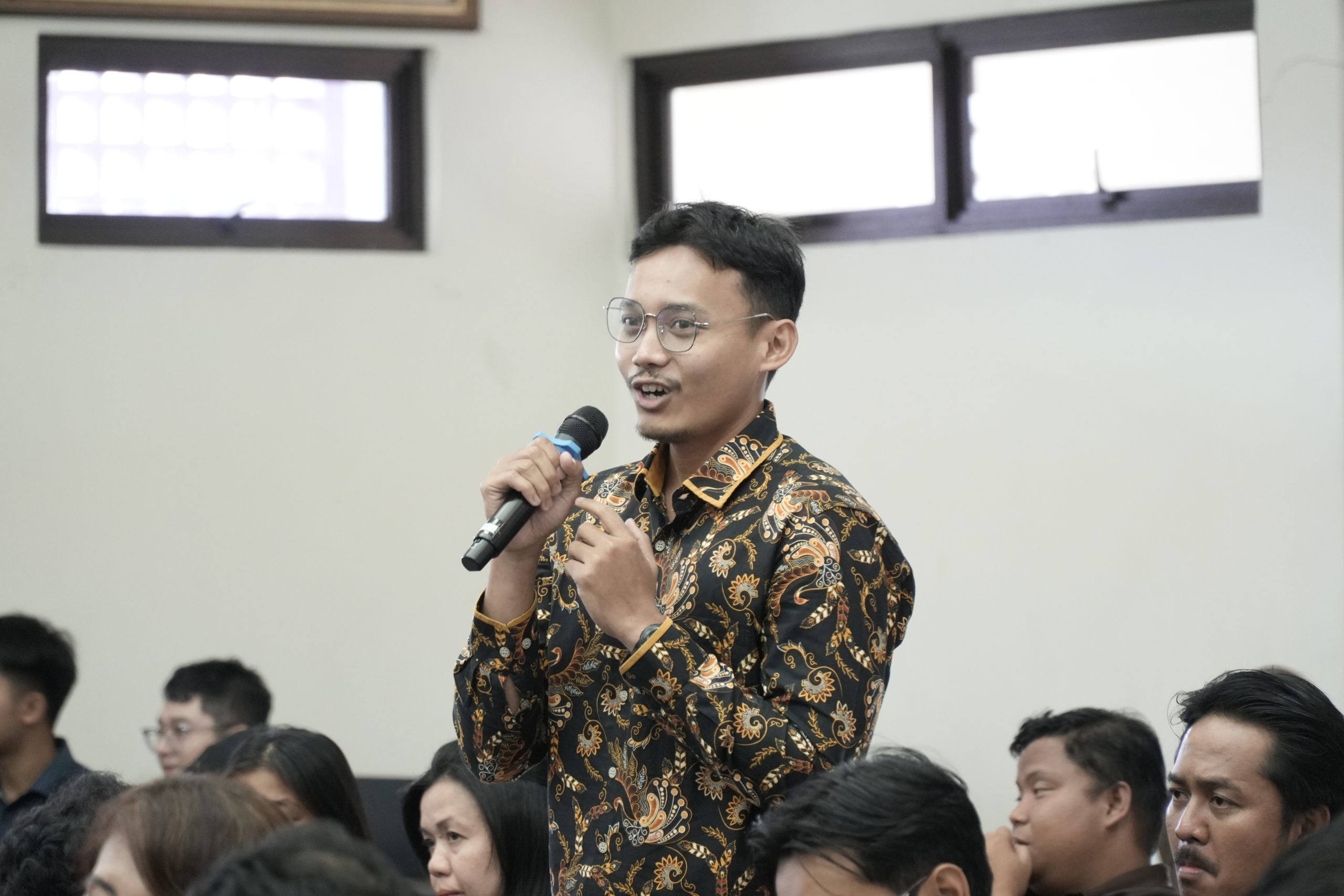
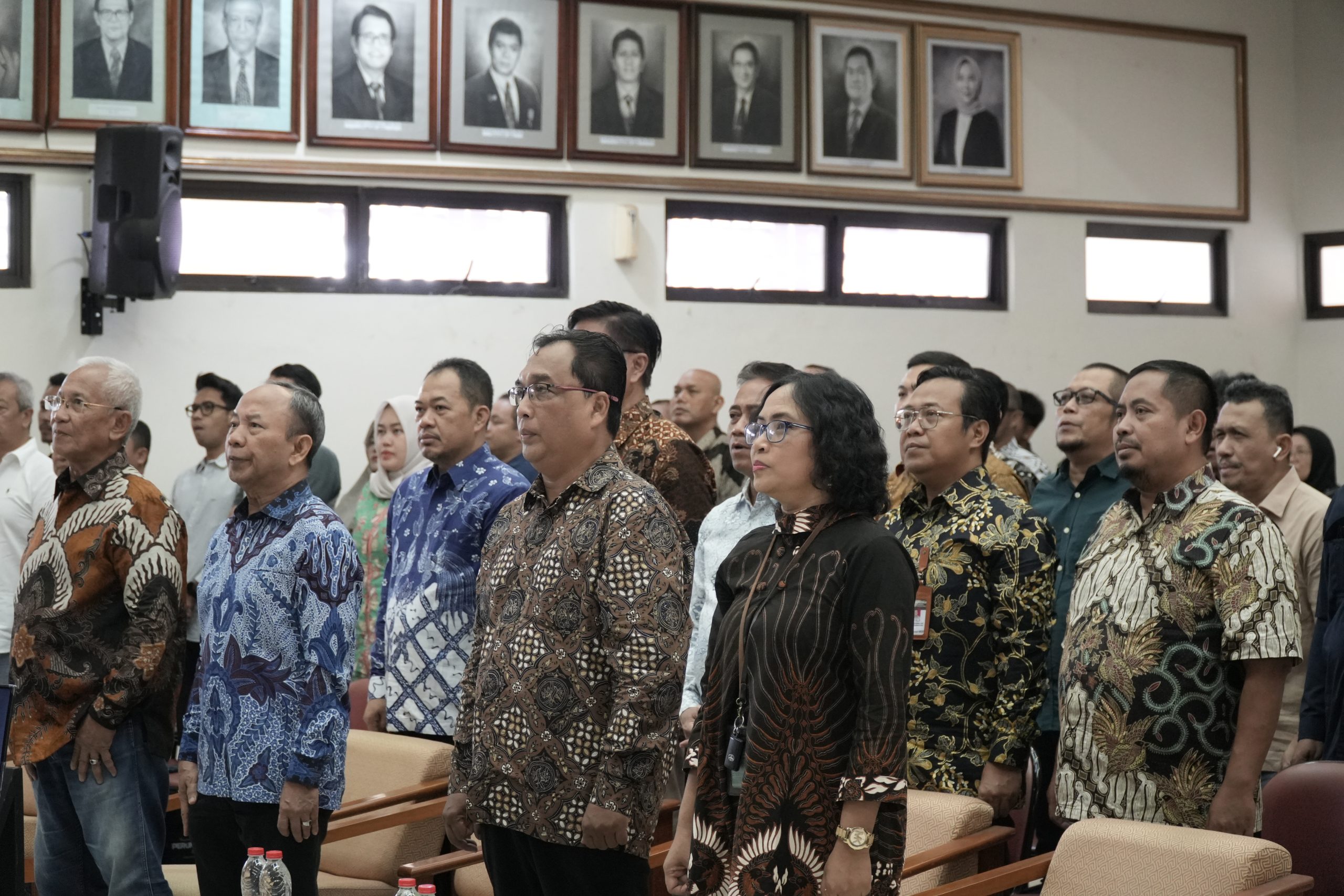
The Faculty of Veterinary Medicine, Universitas Gadjah Mada, held the National Poultry Seminar 2026 as a strategic forum that brought together government officials, academics, industry players, practitioners, and livestock farmers to discuss the direction of national poultry industry development in supporting Indonesia’s food security towards Golden Indonesia 2045. The above-mentioned theme reflects the importance of strengthening the poultry sector as one of the main foundations of national animal protein providers as well as driven power of Indonesian economy. This seminar was held simultaneously as the opening agenda of the 80th Anniversary of the Faculty of Veterinary Medicine, Universitas Gadjah Mada (FVM UGM).
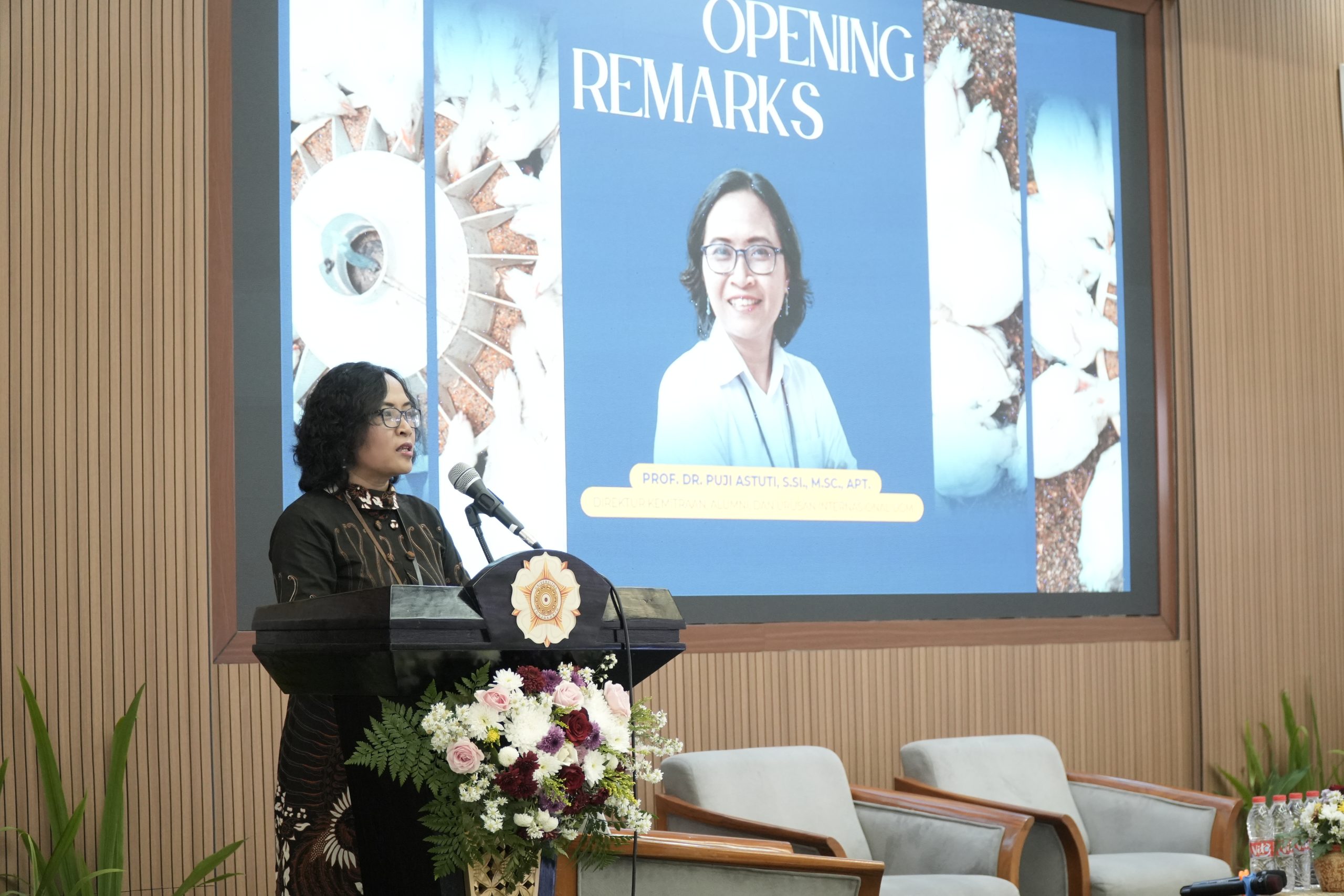
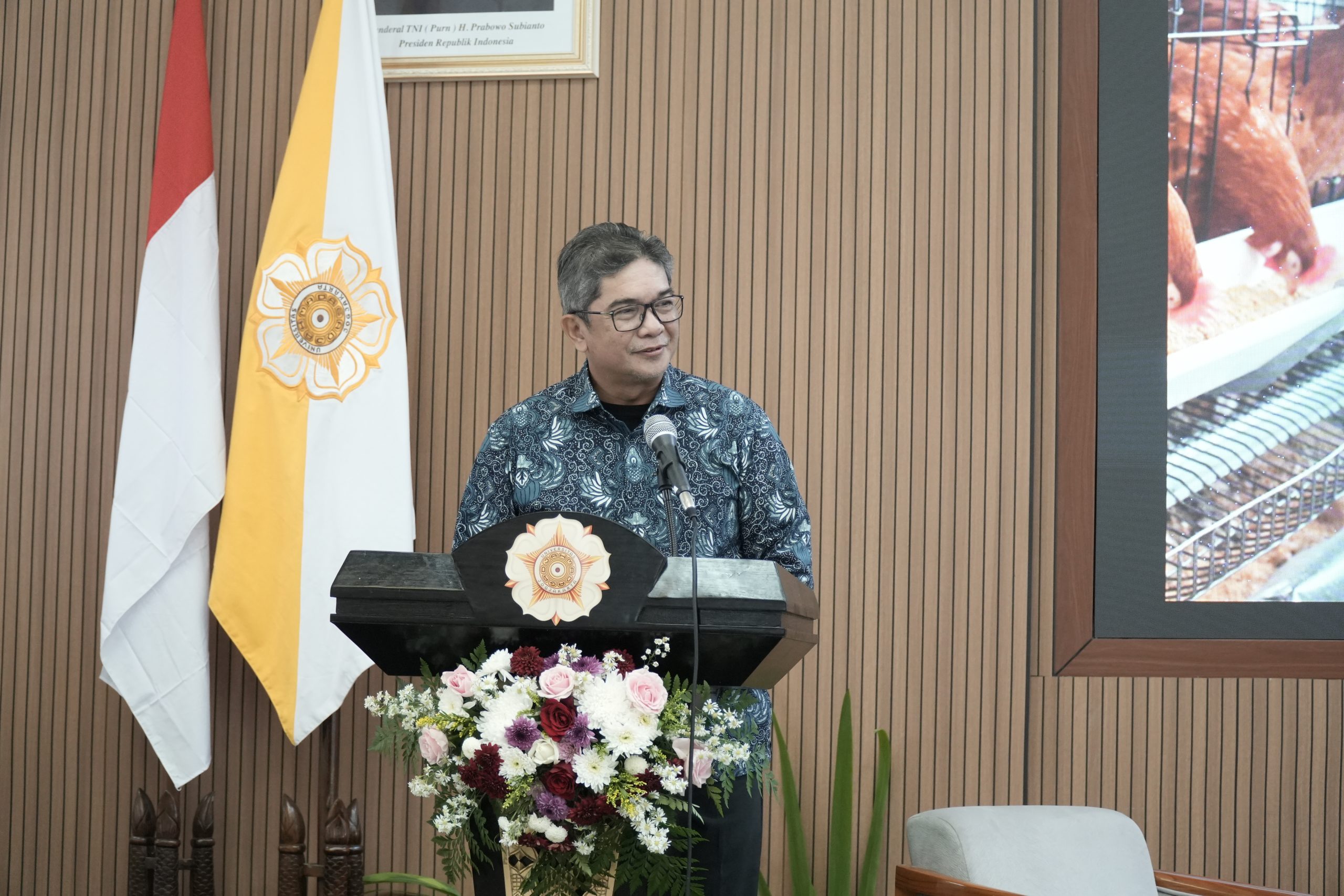
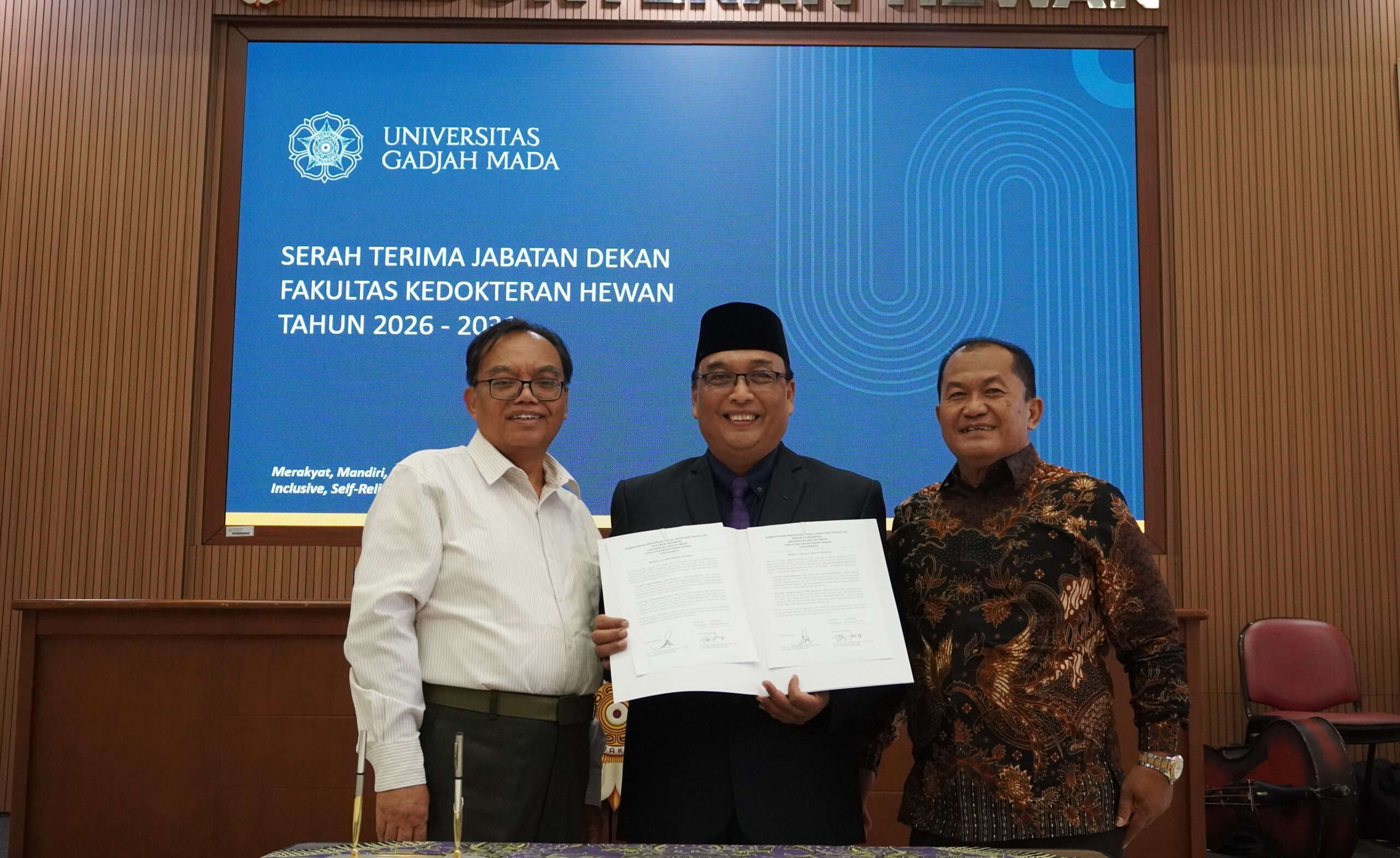
The event began with opening remarks from the Rector of UGM, represented by Prof. Dr. Puji Astuti, S.Si., M.Sc., Apt. In her remarks, she conveyed that the 80th anniversary of the Faculty of Veterinary Medicine (FVM) UGM is not merely a celebration of the institution’s history, but also a reflection of the long-standing contribution of veterinary academia in supporting the development of the livestock sector, animal health, veterinary public health, and national food security. The Dean represented by Prof. Agung Budiyanto, DVM., M.P., Ph.D., also expressed his appreciation to all speakers, partners, sponsors, and participants who attended the national seminar.
The keynote speech was delivered by Andi Amran Sulaiman, represented by Prof. Dr. Ir. Ali Agus, DAA., DEA., IPU., ASEAN Eng. In his remarks, he conveyed that the government has demonstrated a strong commitment to achieving food self-sufficiency by strengthening national regulations, enhancing the chicken industry ecosystem, strengthening corn reserves and storage, and building cross-sector synergies with various stakeholders.
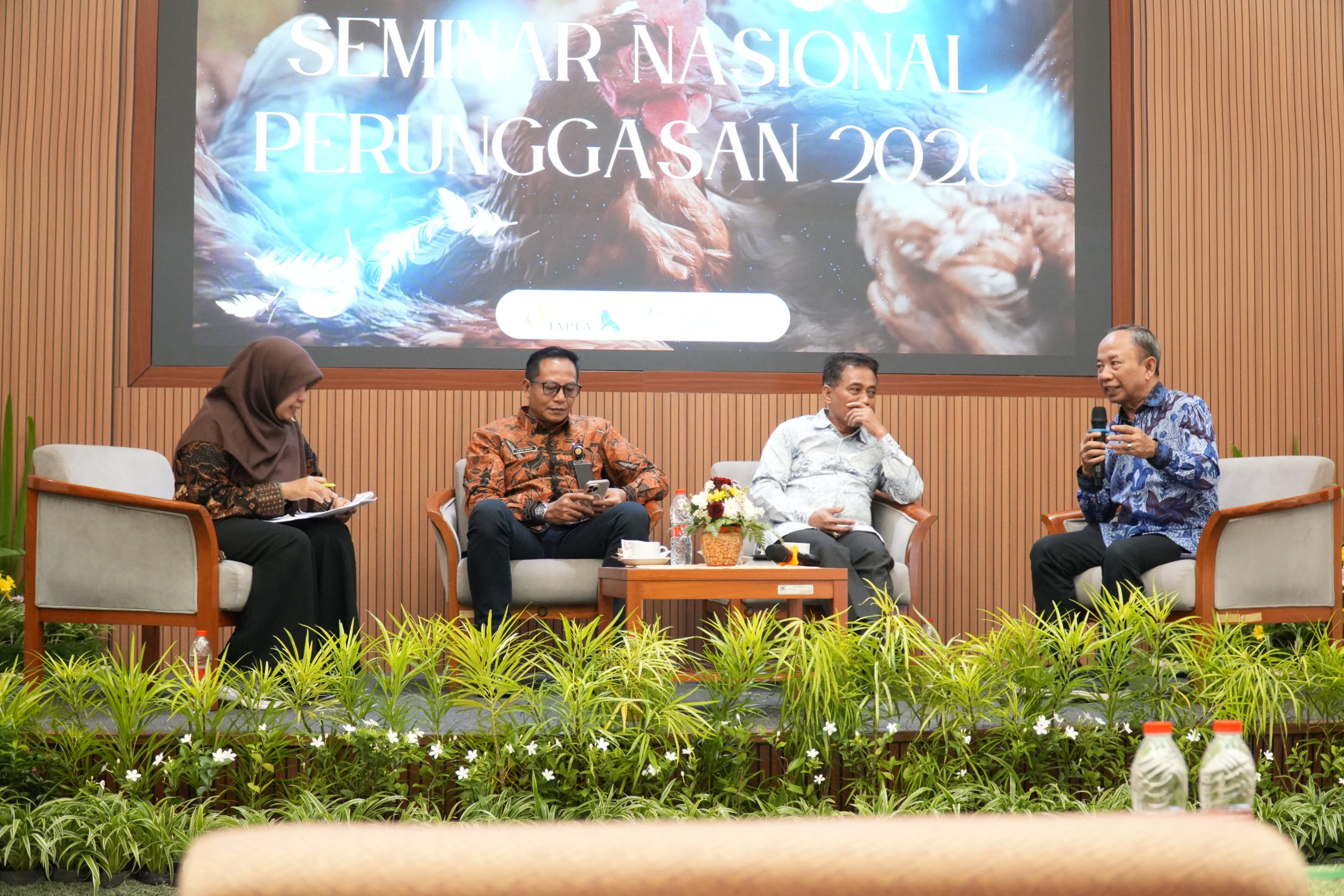
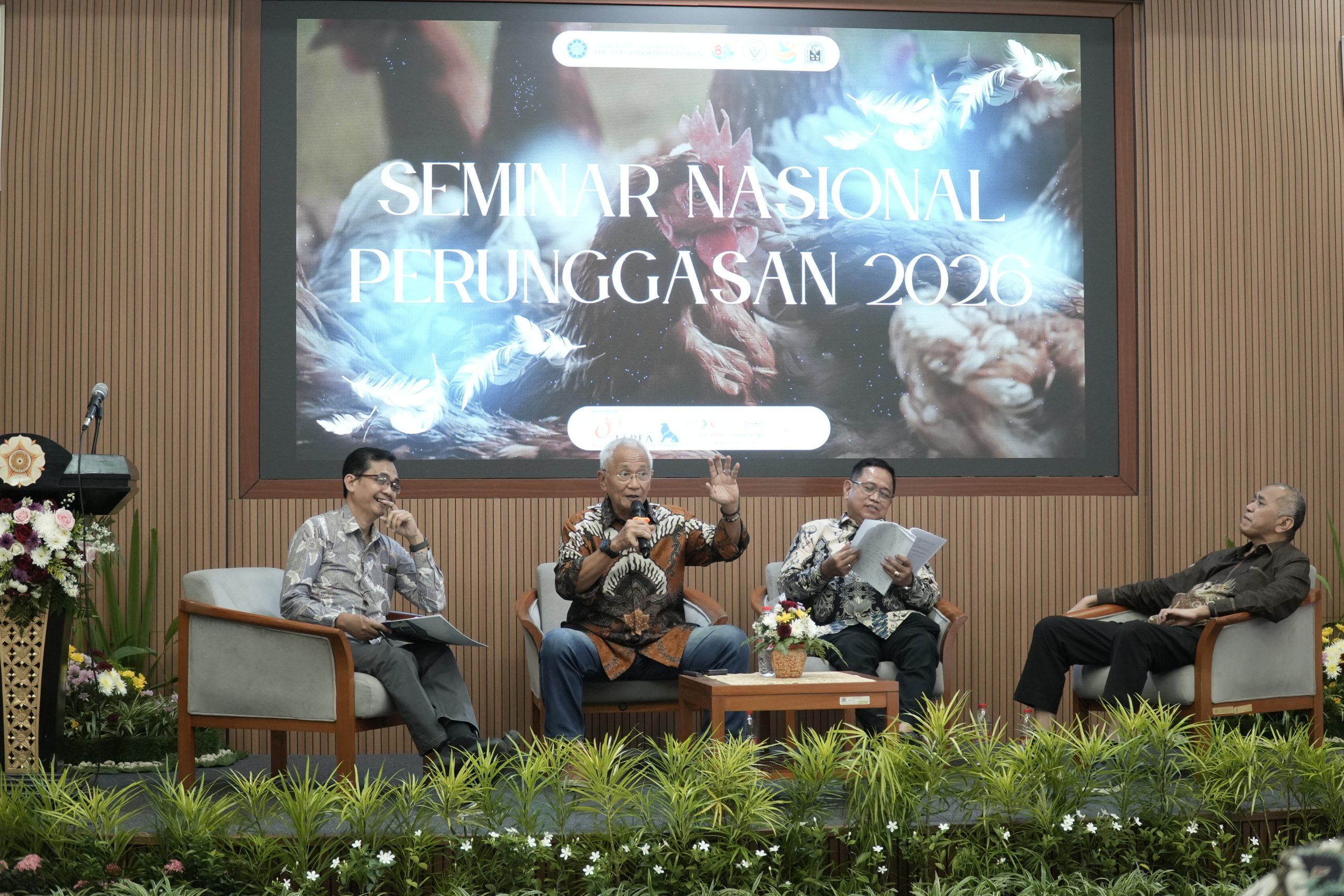
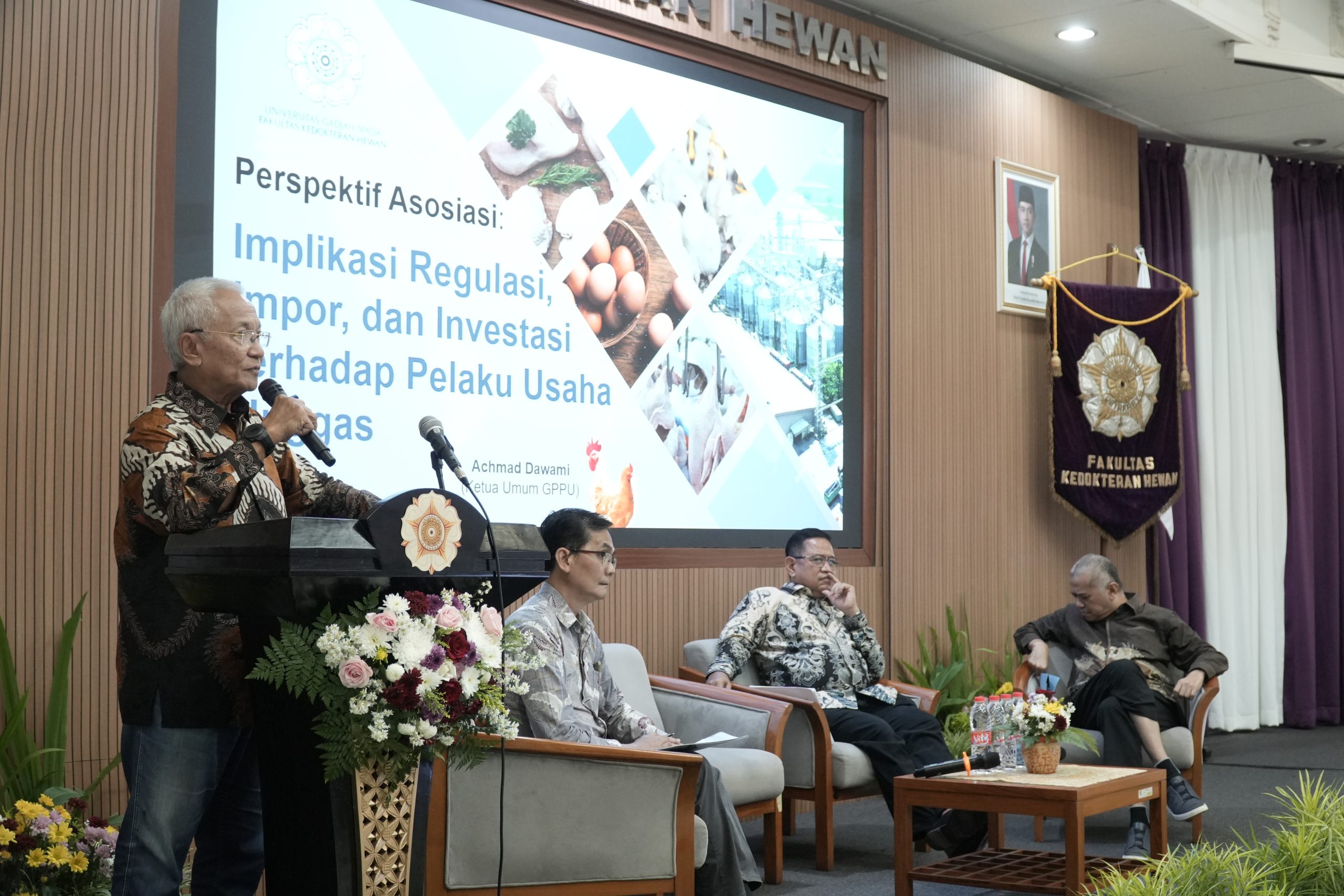
The seminar discussion highlighted Indonesia’s potential to become a global food barn. The speakers emphasized that this goal can be achieved through appropriate policies, strong political commitment, multi-stakeholder synergy, and consistent implementation on the ground. In the first session, moderated by Dr. Dwi Priyowidodo, DVM. the first speaker, Ir. Achmad Dawami, S.Pt., presented material on the implications of import and investment regulations for poultry businesses. He emphasized that the poultry sector is not simply a business activity, but rather a strategic national infrastructure that plays a crucial role in meeting the nation’s protein needs quickly, affordably, and sustainably. He noted that the national poultry industry continues to show significant growth in line with the increasing demand for animal protein. However, the industry still faces challenges such as supply-demand imbalances, potential oversupply, overlapping regulations, and the need for synchronization between institutions to create more effective and equitable industry governance.
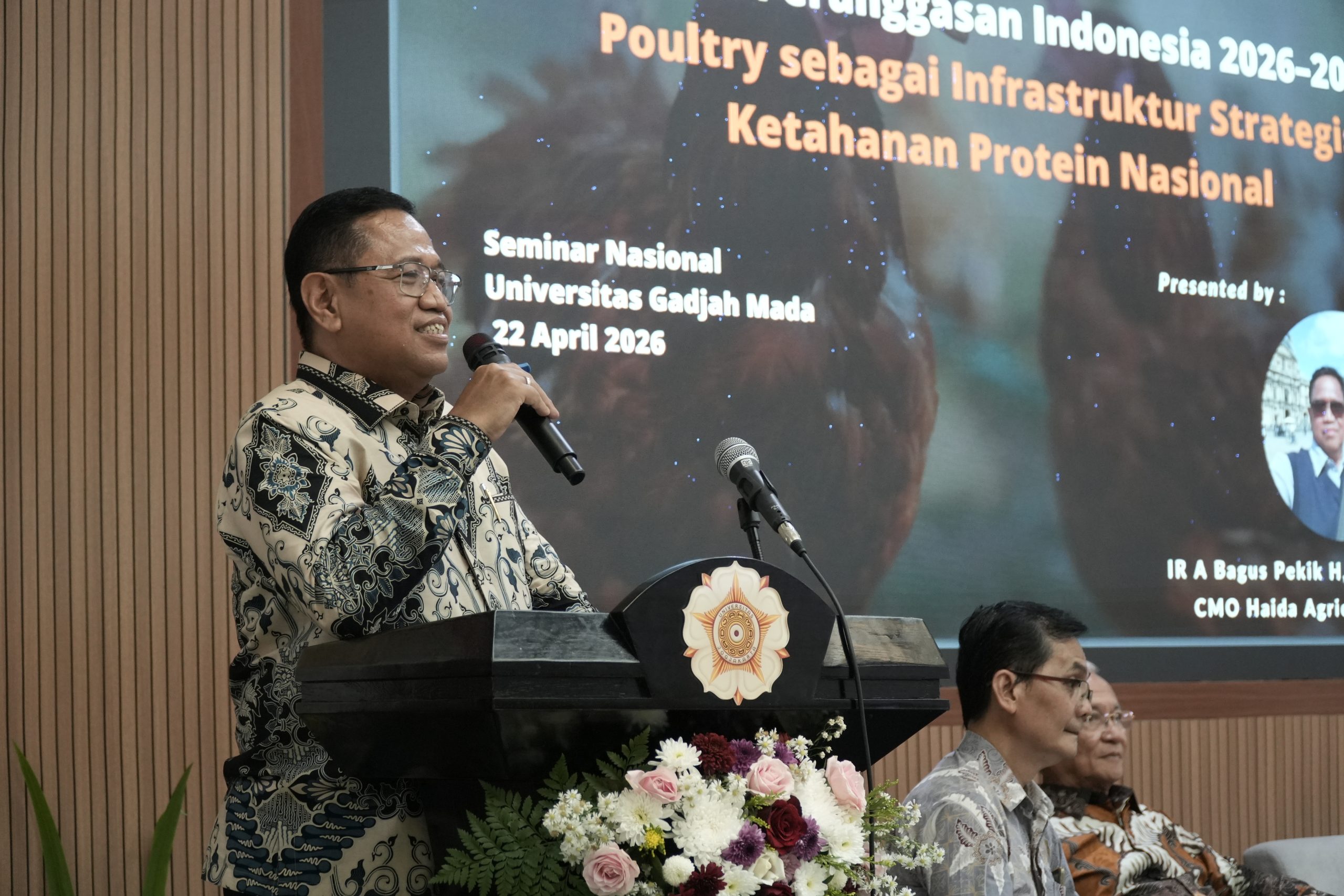
The second speaker, Ir. A. Bagus Pekik, S.Pt., emphasized that the quality of a nation is greatly influenced by the protein sufficiency of its population. In this context, the poultry industry holds a strategic position because it can provide a cheap, easily accessible, and quickly produced source of protein, while simultaneously providing a broad multiplier effect on the national economy. He also highlighted several key challenges facing the poultry industry, ranging from fluctuating feed raw material prices, weak downstreaming and the cold chain, to disparities in production between regions, which are still concentrated on the island of Java. Therefore, strengthening the industrial ecosystem from upstream to downstream is necessary to achieve national protein security equitably.
Meanwhile, H. Singgih Januratmoko, BVM., M.M. outlined the realities faced by independent livestock farmers in the 2026–2027 period. He explained that farmers still face pressures in the form of rising production costs, limited access to capital, low technological mastery, and fluctuating selling prices. However, farmers are beginning to demonstrate their ability to adapt through modernizing housing systems and implementing closed houses to increase business efficiency and productivity.
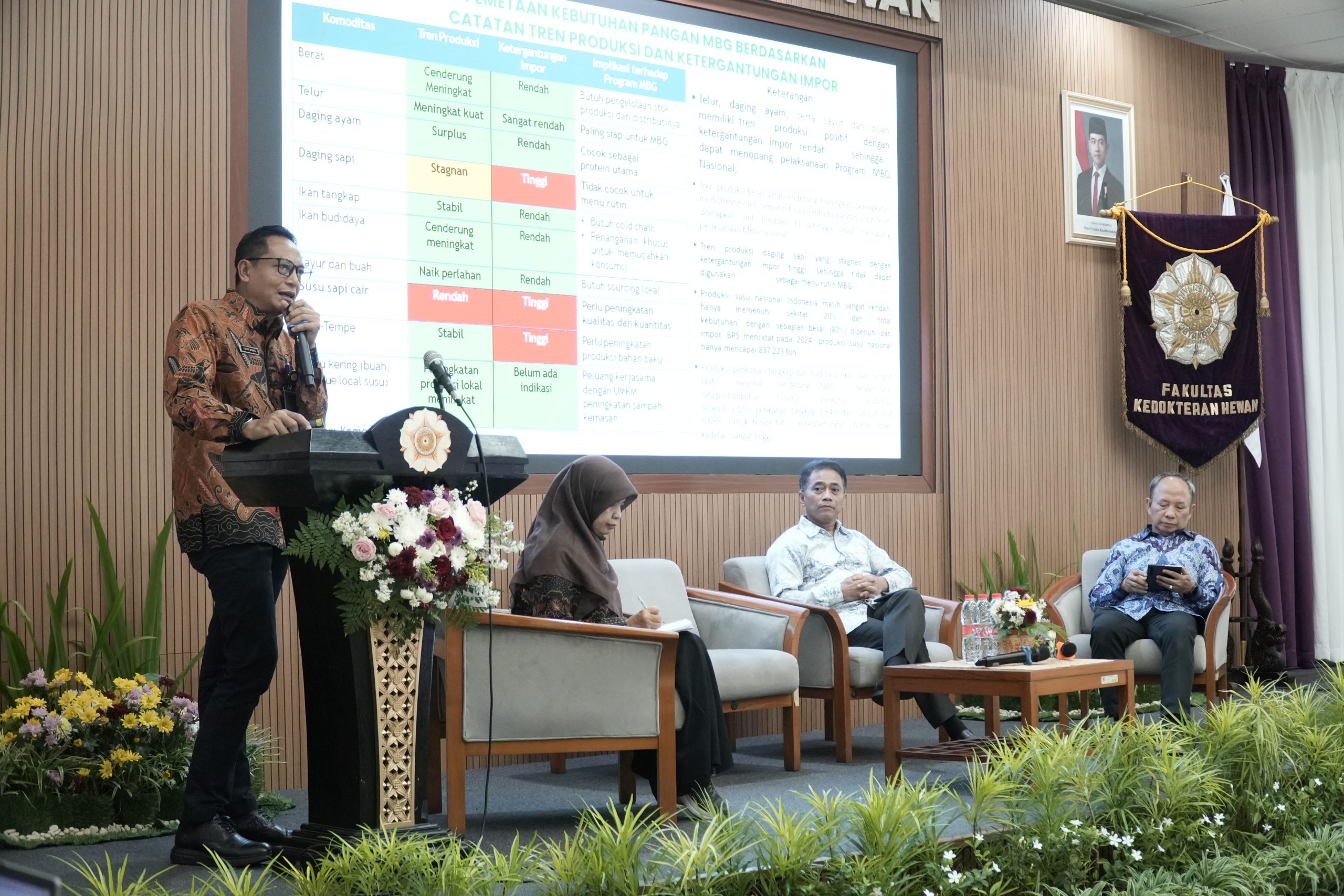
In the second session moderated by Dr. Yuli Purwandari, DVM., M.P., Dr. I Ketut Wirata, DVM., M.Si. discussed strengthening the national veterinary system as the foundation of food security and national poultry product safety. He emphasized that chicken and egg commodities are the sectors most ready to support the Free Nutritious Meal program because they have a continuously increasing production trend, a national surplus condition, and a relatively low dependence on imports. Furthermore, he said that the poultry sector has a large contribution to the Gross Domestic Product (GDP) of livestock, providing community protein, absorbing labor, and earning foreign exchange. However, challenges such as fluctuations in DOC and feed prices, uneven distribution, and long supply chains still require shared attention. As an effort to strengthen, the government is encouraging the development of integrated chicken downstreaming, the construction of disease-free compartments, and strengthening food safety assurance through the ASUH principle (Anan (Safe), Sehat (Healthy), Utuh (Whole), and Halal) to increase the competitiveness of Indonesian poultry products in the global market.
Next, Prof. Dr. Michael Haryadi Wibowo, DVM., M.P., presented the 2026–2027 poultry disease projections and their implications for biosecurity and national production stability. He explained that diseases such as Newcastle Disease (ND) and Avian Influenza (AI) remain major threats due to the high mutation rate of RNA viruses, which gives rise to numerous new variants. In addition to disease threats, issues of antimicrobial resistance, multiple infections, immunosuppression, and weak biosecurity implementation at the farm and transportation levels are also serious challenges that require collective attention. Therefore, consistent and sustainable biosecurity implementation is considered key to maintaining the stability of the national poultry industry.
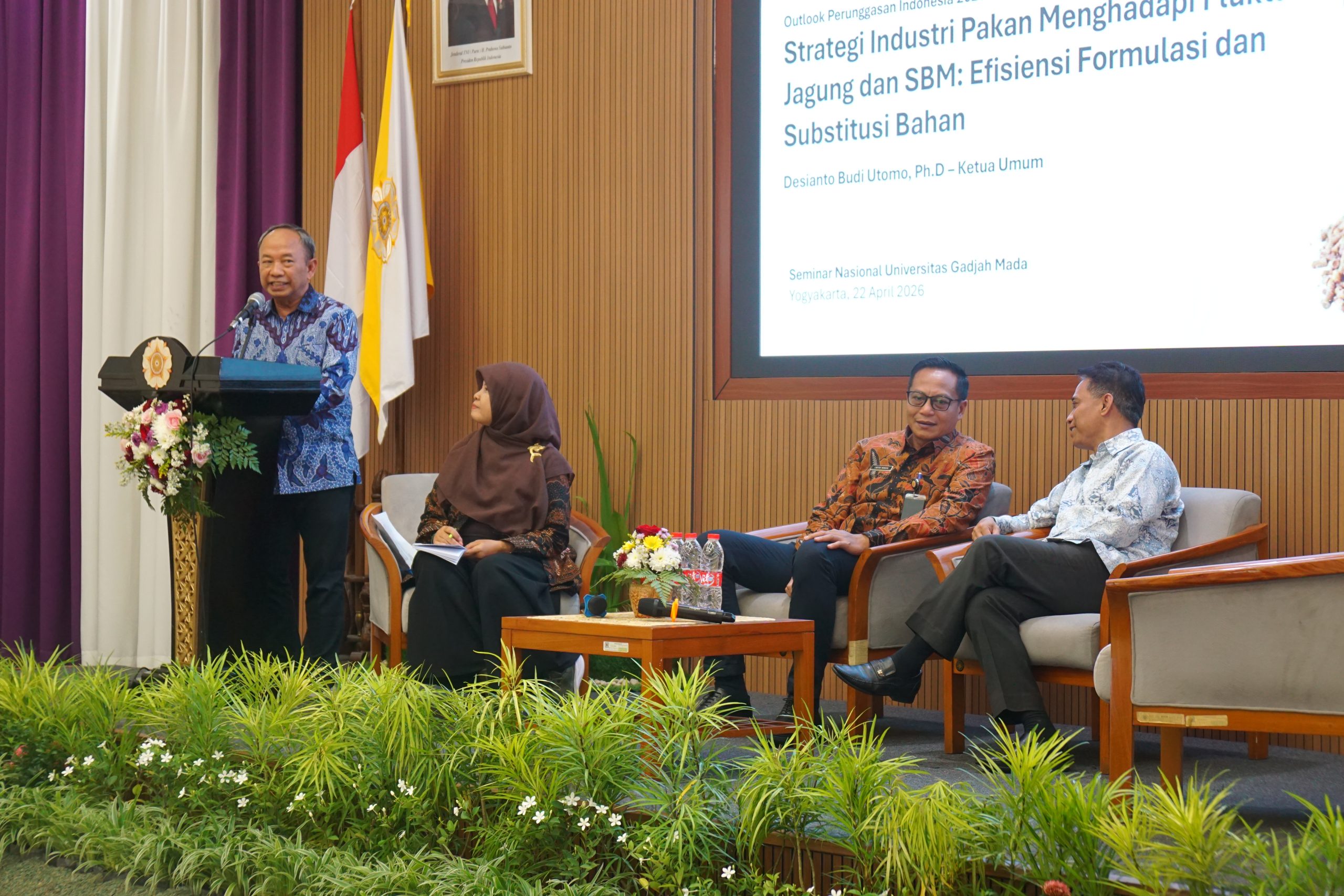
In final presentation, Desianto Budi Utama, DVM., M.Sc., Ph.D., discussed the feed industry’s strategy for dealing with fluctuating corn and soybean meal (SBM) prices. Considering that approximately 70–75% of poultry production costs come from feed, formulation efficiency and strengthening the logistics system are crucial factors for the industry’s sustainability. He explained that the national feed industry still faces challenges such as high corn price volatility, limited raw material stocks, dependence on imported materials, and high inter-regional distribution costs. Developing local raw materials is considered a potential solution, although it still faces challenges related to quality, anti-nutritional factors, and economic efficiency.
The 2026 National Poultry Seminar is expected to foster stronger collaboration between the government, academia, industry, and livestock farmers in building a more resilient, competitive, and sustainable poultry sector. This cross-sector synergy is a crucial step in supporting national food security and realizing Indonesia as a global food production hub in the future. This event supports several Sustainable Development Goals (SDGs) such as SDG 1 No Poverty, SDG 2 Zero Hunger, SDG 4 Quality Education, SDG 8 Decent Work and Economic Growth, SDG 12 Responsible Consumption and Production, SDG 15 Life on Land, and SDG 17 Partnership for the Goals.