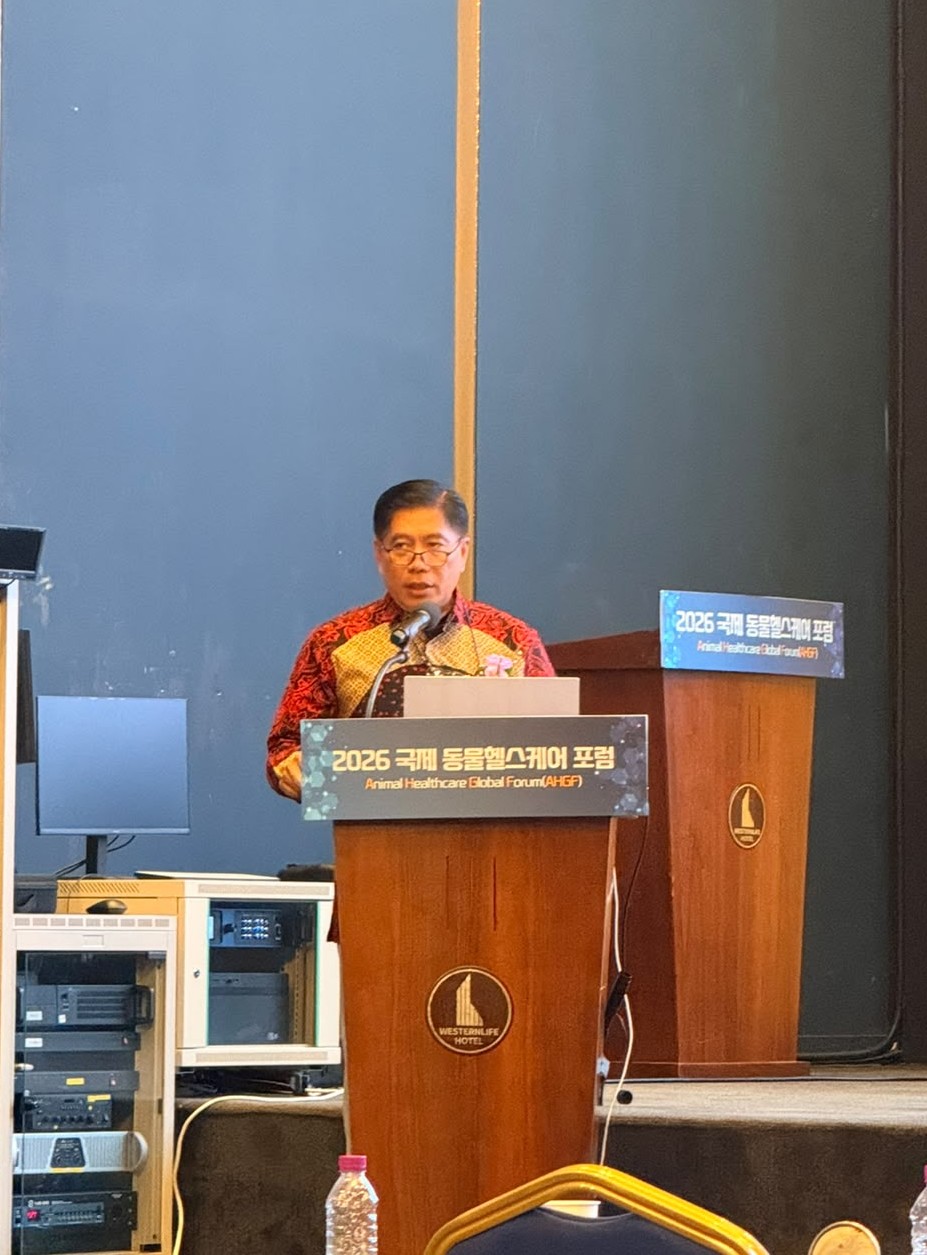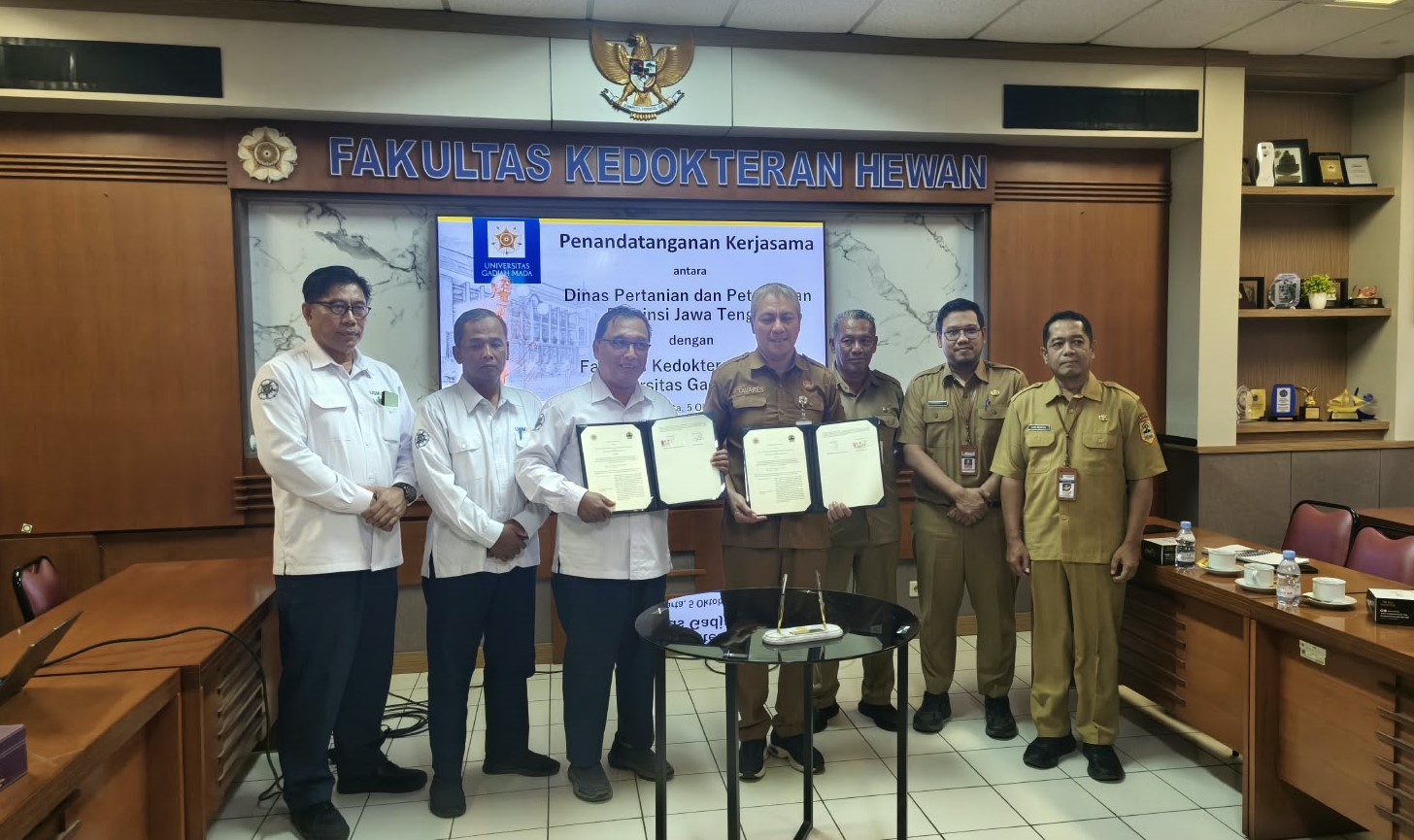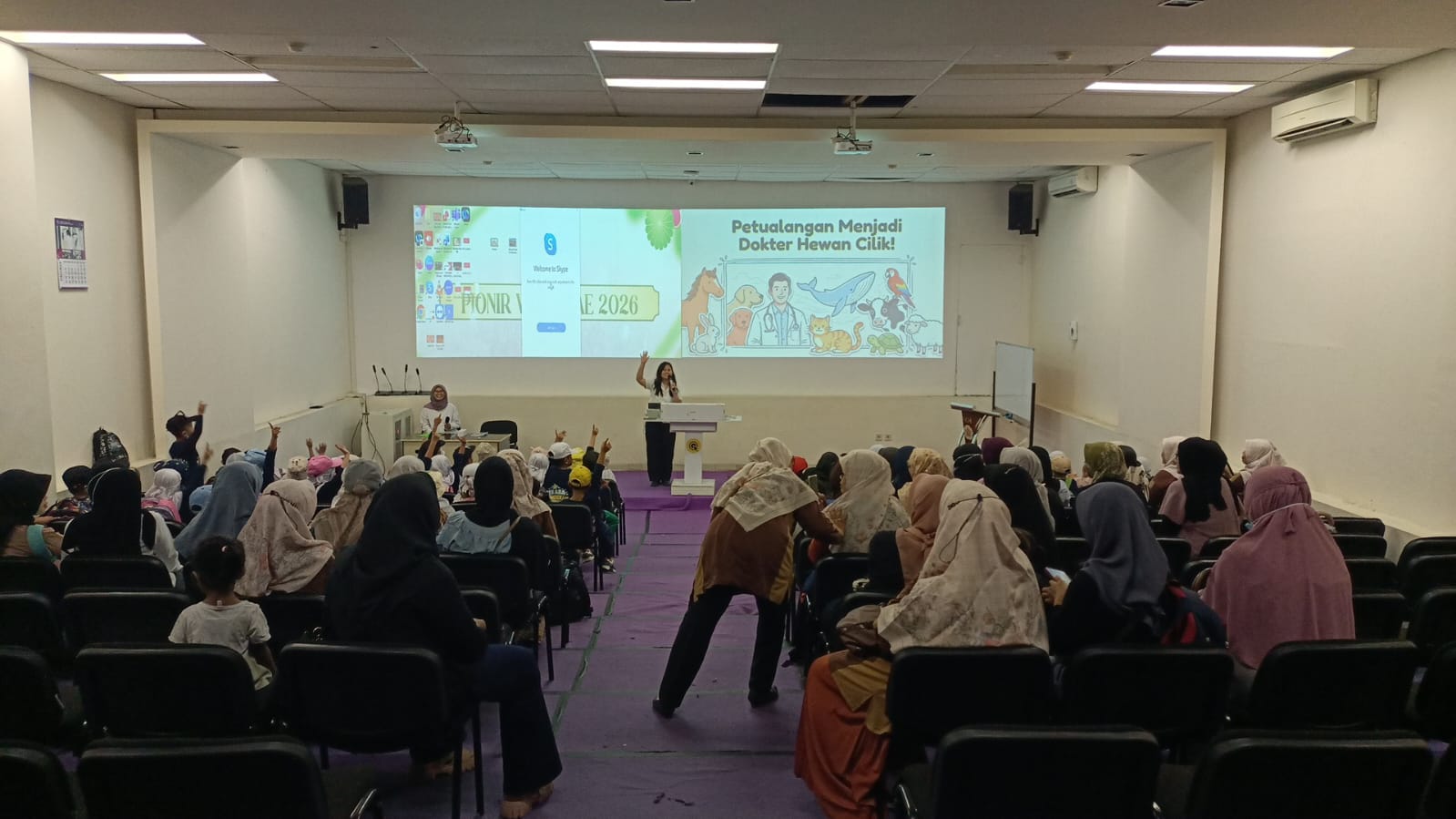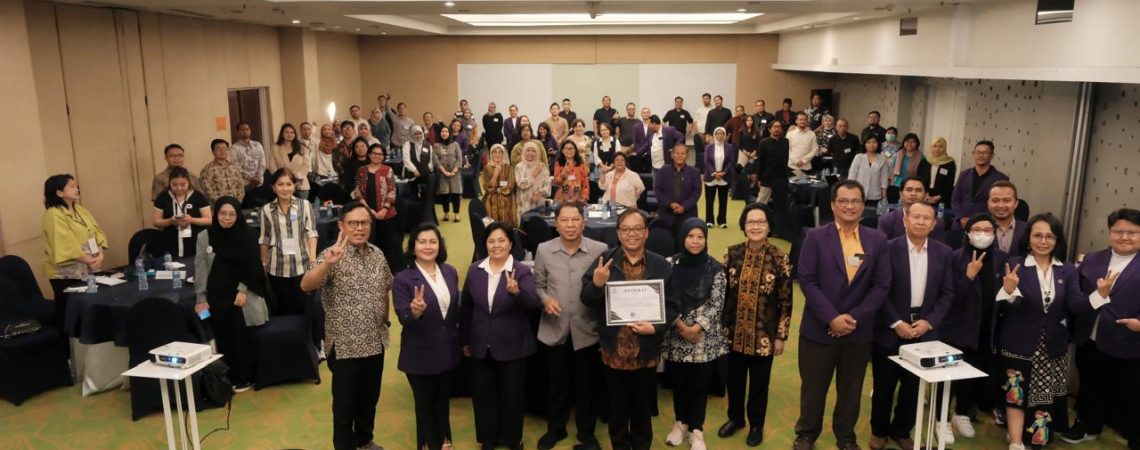
A one-day seminar on the dissemination of animal welfare regulations and the strengthening of veterinary education and services in Indonesia was held on Saturday, January 31, 2026, at the Cityloog Hotel in Tebet, South Jakarta. Attended by veterinary clinic owners, the Head of the PB PDHI Non-Territorial Interest Unit, the Head of the DKI Jakarta Food Security, Marine, and Agriculture Agency, practicing veterinarians, animal welfare NGOs, and animal lover communities. The seminar featured three distinguished speakers in their respective fields.
“Animals are consistently treated merely as commodities and disregarded as living beings—despite their vital importance to human health and well-being—leading to mismanagement and disaster,” stated veterinarian Wiwiek Bagdja, former Chairperson of the Indonesian Veterinary Medical Association (PDHI) and an animal welfare advocate, at the beginning of her presentation.
Animal welfare encompasses all matters relating to the physical and mental state of animals—measured against their natural behaviors—that must be implemented and enforced to protect them from improper treatment by humans utilizing them. This means that whenever animals are used by humans for various purposes, all elements of animal welfare must be upheld for the animals under their care. Veterinarian Hastho Yulianto, MM, emphasized in his presentation that “The animal welfare standards apply to all animal owners, individuals who handle animals as part of their work, and owners of animal husbandry facilities.”
Animal welfare has become a matter of both national and international public concern, and is even a requirement in the international trade of live animals and animal products. To ensure the fulfillment of animal welfare standards and in accordance with prevailing laws and regulations, the Regulation of the Minister of Agriculture of the Republic of Indonesia No. 32 of 2025 concerning the Implementation of Animal Welfare was issued. This regulation is intended to serve as a guideline for the general public and government authorities alike, fostering an understanding of and compliance with animal welfare requirements. With rising rates of animal ownership for various purposes—alongside growing public awareness and concern for animal welfare—clear regulations are needed to guide this awareness and concern along the right path. Understanding animal welfare is complex; it requires a solid knowledge base and practical experience. Therefore, disseminating a correct understanding is crucial to prevent misconceptions and ensure proper implementation across all levels of society. Given the frequent public misunderstandings regarding animal welfare—and instances where the concept is exploited for inappropriate purposes—Minister of Agriculture Regulation No. 32 of 2025 regulation is a crucial one to understand in its entirety, so that any undesirable outcomes can be minimized.
“Given this context, it is highly urgent that this seminar be held early in 2026. Therefore, the DKI Jakarta chapter of PDHI is facilitating access for all parties to obtain comprehensive and clear information. Furthermore, there is absolutely no fee for seminar participants,” stated Kumaladewi, DVM., MFSc, Secretary of the PDHI DKI Jakarta chapter and chair of the seminar organizing committee.
Animal welfare cannot be separated from animal health status; the two form an integral whole, with health status itself serving as a parameter for welfare. The primary goal of animal welfare is quality of life, which is linked to the animal’s mental experiences. Health is a crucial aspect of welfare because disease or injury causes discomfort—such as pain, confusion, and distress—which are mental states. An animal experiences good welfare when it is healthy, comfortable, well-nourished, and safe; free from unpleasant states like pain, fear, and distress; and able to express behaviors essential to its physical and mental well-being. Good animal welfare requires disease prevention and proper veterinary care; appropriate housing, management, and nutrition; a safe and positively stimulating environment; and humane handling, slaughter, or culling.
Maintaining animal health—which ultimately leads to good welfare—requires collaboration among various parties, including owners, caretakers, and veterinarians. This cooperation is pivotal in assessing an animal’s welfare status. Veterinarians play a key role in guiding owners, caretakers, and others involved in animal care to ensure health and welfare needs are met. Beyond maintenance and prevention, veterinarians are also responsible for restoring health when animals fall ill. These duties cannot be performed effectively without the necessary knowledge and a strong sense of responsibility; all tasks are carried out based on competencies acquired through rigorous and extensive education.
Veterinary education in Indonesia was established over a century ago during the Dutch colonial era, a time marked by outbreaks of animal diseases affecting livestock—which served as vital sources of clothing, food, and labor for the military, transport, and agricultural sectors. The initiative to establish veterinary education was intended to assist the colonial government in safeguarding supply chains for food and other animal-derived resources. However, to date, there is no single regulation governing veterinary education or veterinary services. Such regulation is crucial to ensuring the quality of services provided to the public and the state, thereby guaranteeing accountability in the maintenance of animal health and welfare.
Prof. Teguh Budipitojo, DVM., Ph.D., Dean of the Faculty of Veterinary Medicine at Universitas Gadjah Mada, Yogyakarta, elaborates: “Although Indonesia possesses regulations concerning higher education, livestock and animal health, wildlife, and aquatic animals, there is currently no law that specifically and comprehensively regulates professional veterinary education and services (a Veterinary Medicine Regulation). Existing regulations are sectoral in nature, focusing on production animals, conservation, and fisheries, while veterinary services for companion animals lack an adequate legal basis. Consequently, the regulation of the veterinary profession is fragmented, potentially leading to legal uncertainty and disparities in service quality. Therefore, a Veterinary Medicine Law is required as lex specialis to guarantee educational quality, service standards, registration and licensing systems, and professional development through a Veterinary Statutory Body, while simultaneously strengthening the ‘One Health’ approach regarding animal, human, and environmental health.”
In light of this, the Association of Indonesian Veterinary Medicine Faculties and the Indonesian Veterinary Medical Association (PDHI) submitted a Bill on Veterinary Education to the House of Representatives of the Republic of Indonesia (DPR RI), which was subsequently included in the 2019–2024 National Legislation Program. However, the bill was never deliberated by the DPR RI before that term concluded. Consequently, the Bill on Veterinary Education and Services was resubmitted for the 2024–2029 term, with the hope that it would receive prompt attention and deliberation; yet, to date, it has not been designated a priority.
Therefore, this seminar aims to garner public support to urge legislators to prioritize the Bill on Veterinary Education and Services in the annual agenda, thereby providing legal certainty for relevant stakeholders and enabling them to operate under legal protection. This point was emphasized at the outset of the seminar by MTh. Widiastuti, DVM., Chair of the PDHI DKI Jakarta Chapter, in her opening remarks: “Veterinarians, as professionals bound by inherent competencies, require regulatory support from the state regarding veterinary matters—support that is closely linked to the provision of animal health and welfare.” This initiative aligns with the Sustainable Development Goals (SDGs), specifically SDG 3 (Good Health and Well-being), SDG 4 (Quality Education), SDG 12 (Responsible Consumption and Production), and SDG 17 (Partnerships for the Goals).