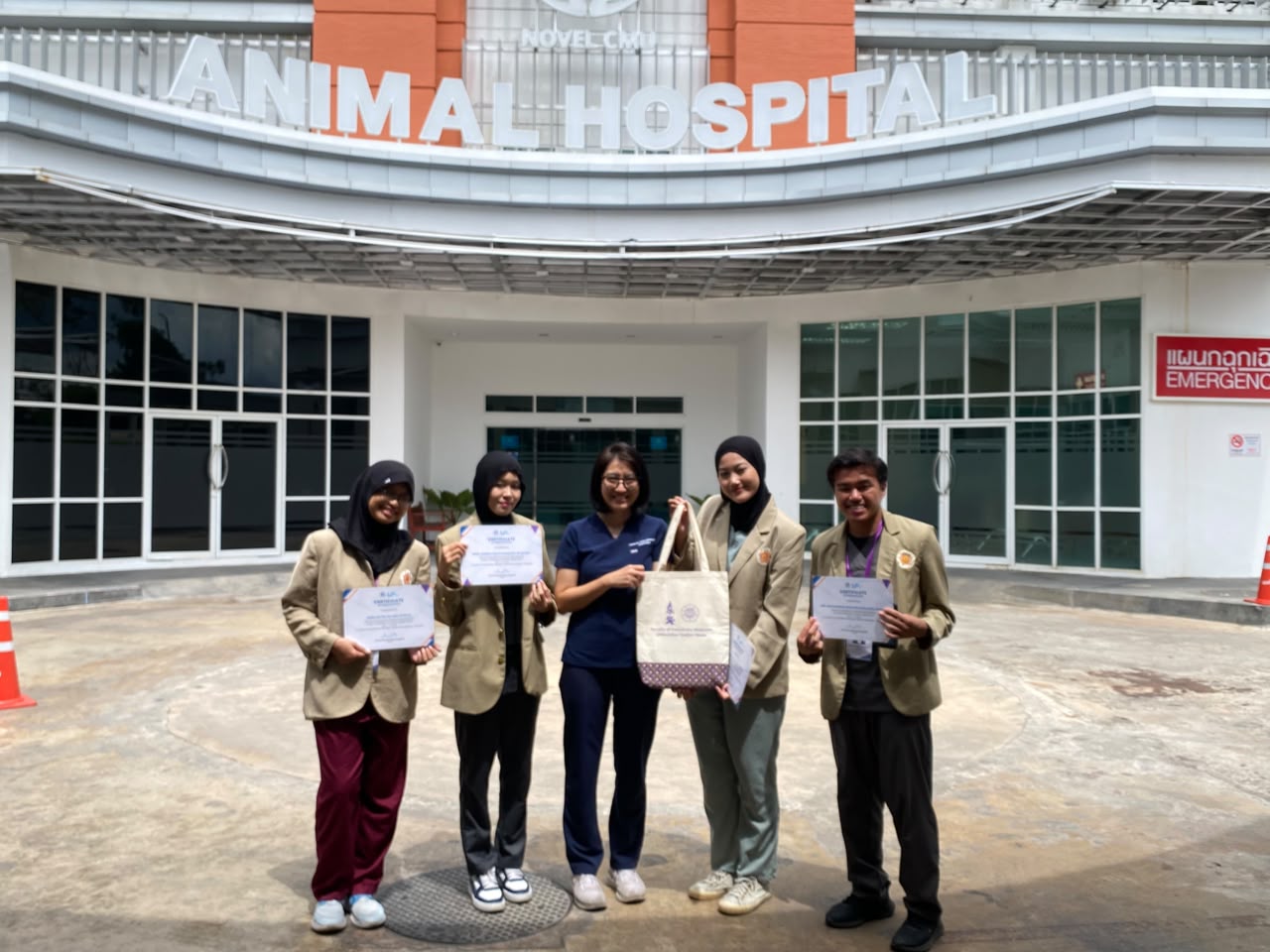
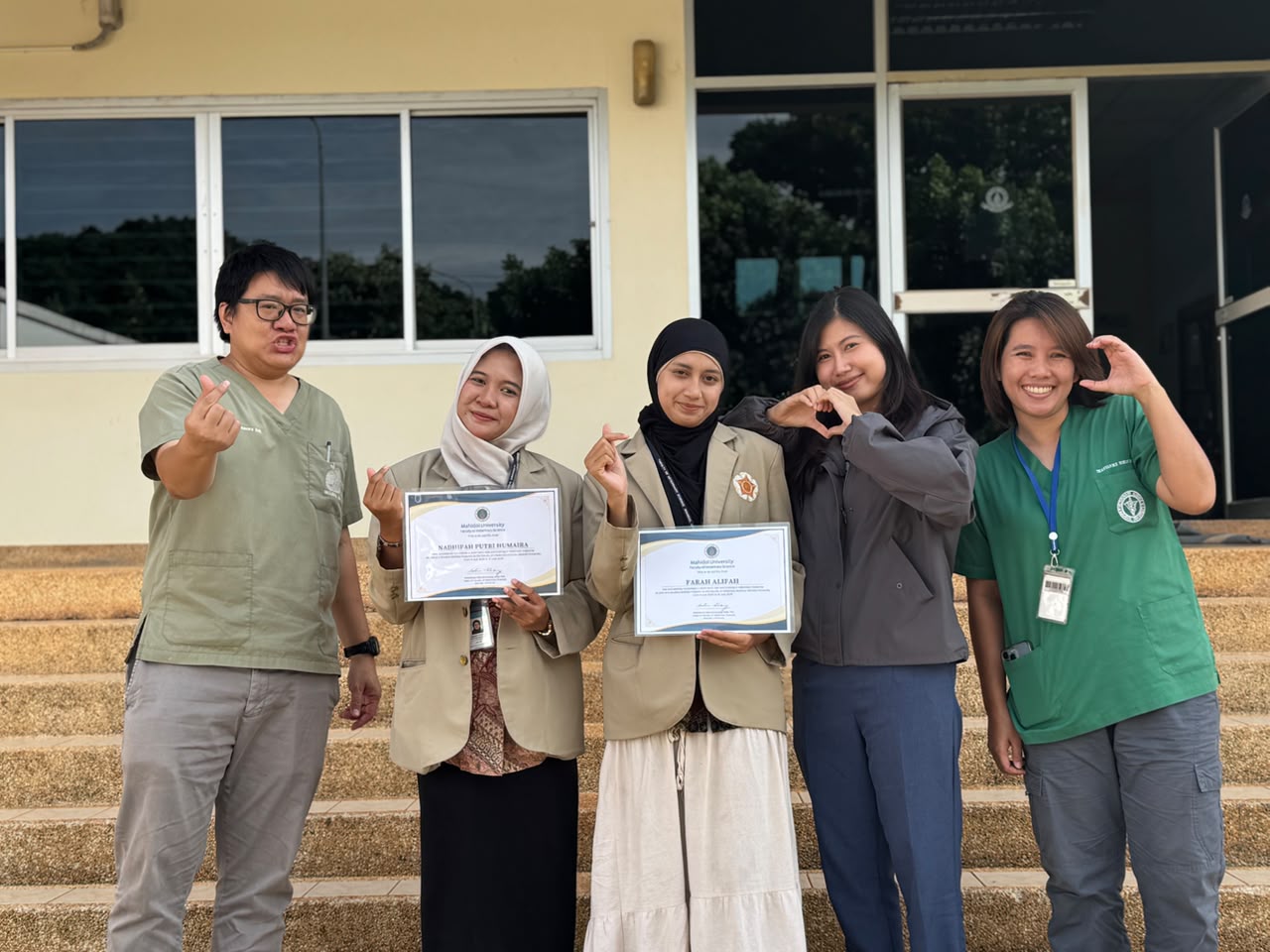
On 6–27 July 2026, two students from the Faculty of Veterinary Medicine, Universitas Gadjah Mada (FVM UGM), named Dilla and Lira, had the opportunity to participate in the International Exchange Program at Chulalongkorn Small Animal Hospital, Chulalongkorn University, Thailand, for three weeks. The program was primarily conducted in the form of an internship, with two unit rotations: the Inpatient Unit (IPD) from 6–15 July and the Pathology Unit from 16–27 July. Throughout the program, the students gained direct experience in veterinary practice while also becoming familiar with the educational environment and veterinary healthcare system in Thailand.
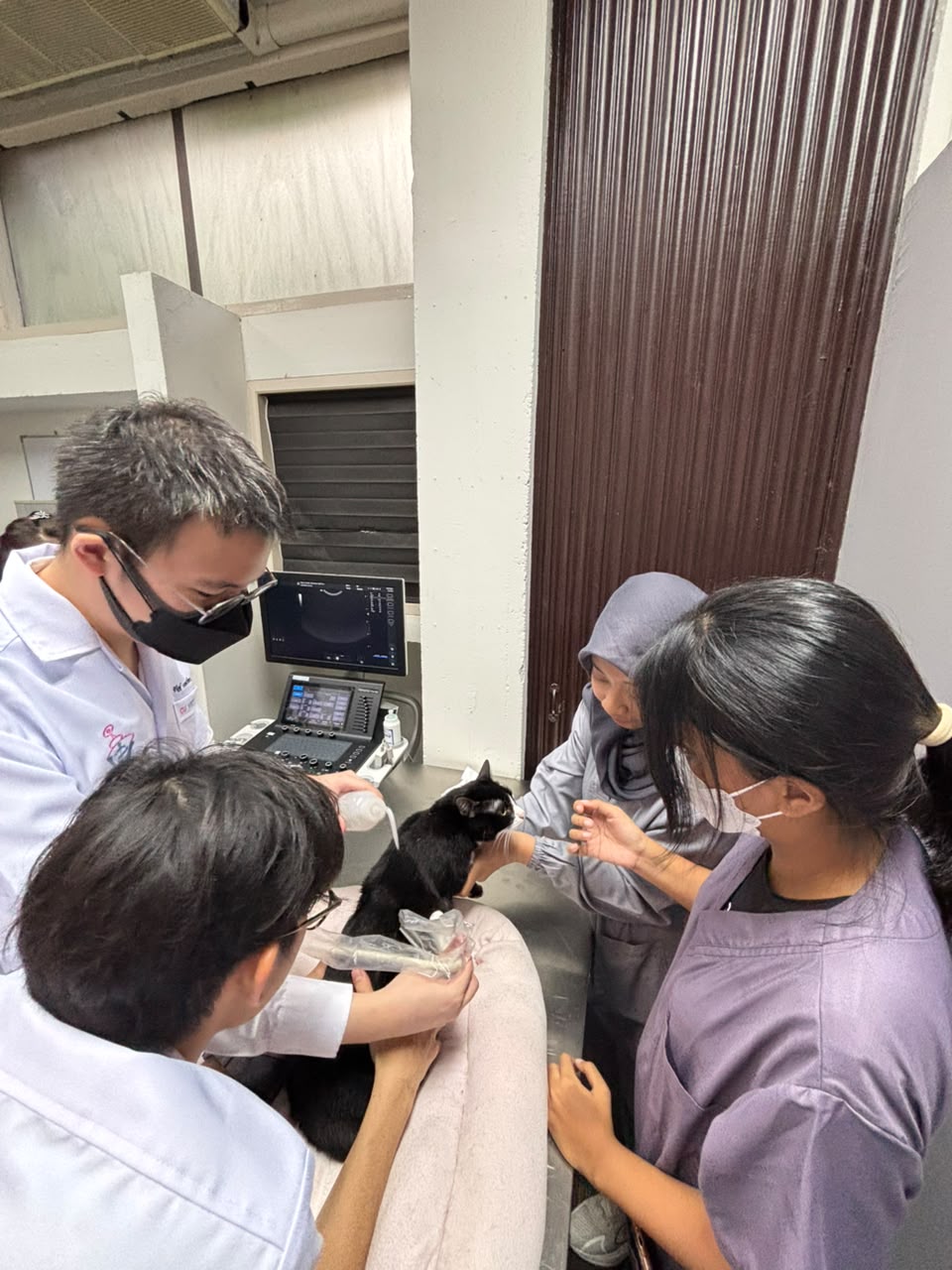
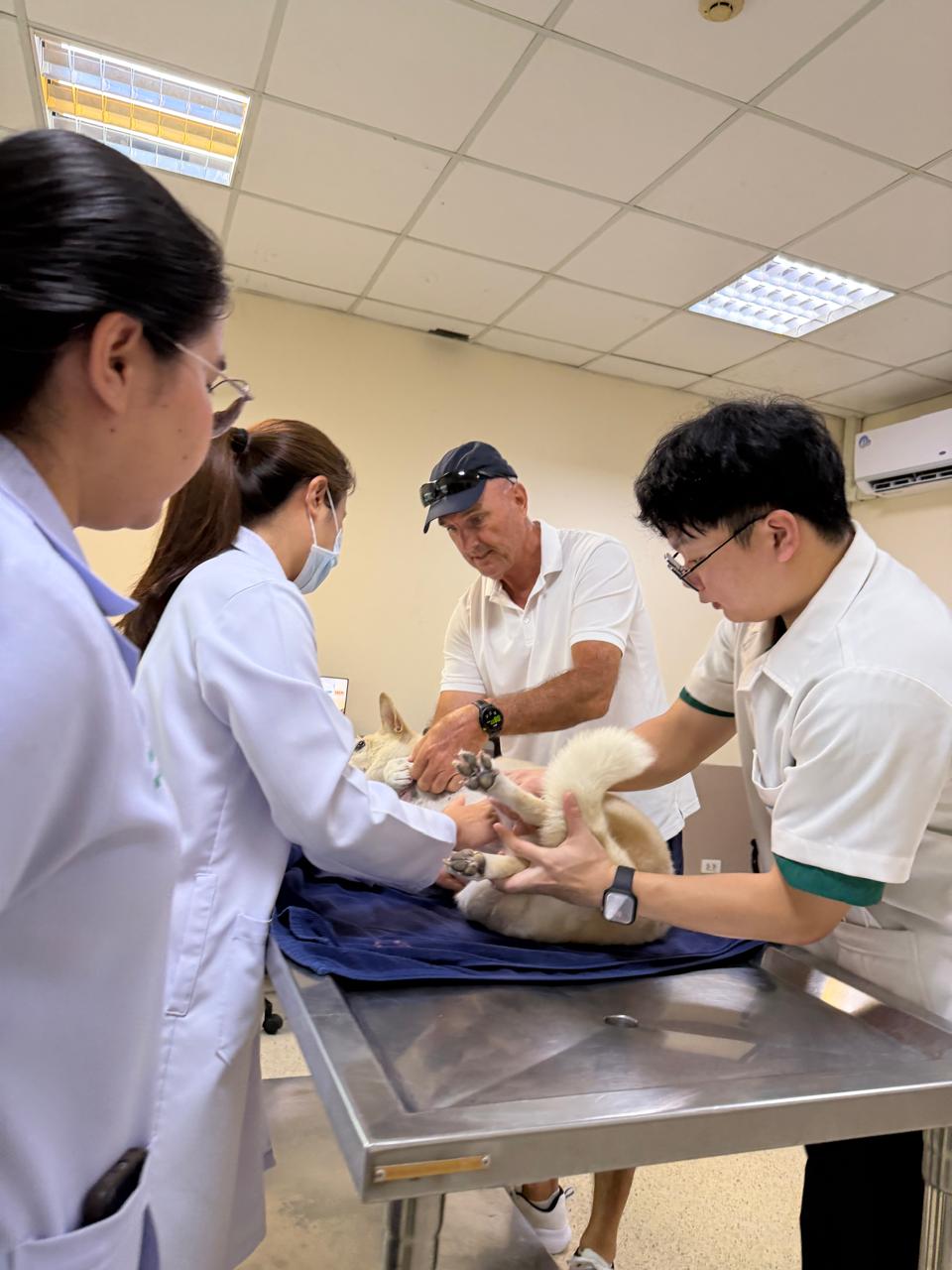
During the Inpatient Unit (IPD) rotation, they learned about the daily care routines for hospitalized animals alongside veterinarians and vet nurses. The activities included collecting blood and urine samples, conducting diagnostic examinations to assist in determining diagnoses and monitoring patients’ conditions, and administering medications through various routes, such as intravenous and subcutaneous administration. In addition, they were taught how to calculate the Resting Energy Requirement (RER) to determine the patients’ daily nutritional needs. They also had the opportunity to learn about the use of ultrasound, observe the process and operation of dialysis machines for animals, and gain exposure to X-ray, CT scan, and ECG examinations. These activities provided valuable insight into the fundamental skills that are important for veterinary students to develop.
During the Pathology Unit rotation, Dilla and Lira explored veterinary medicine more extensively from the perspective of pathology and microscopic examination. One of the main activities was animal necropsy, involving a wide variety of cases ranging from companion animals to exotic animals such as anteaters. They were taught the proper procedures for conducting a necropsy, including the appropriate use of personal protective equipment (PPE), preparation before the procedure, the examination process, and the necessary steps after completing the procedure. In the afternoons, students examined cytology, biopsy, and histopathology specimens alongside veterinarians and received explanations about their findings. They also had several opportunities to prepare their own specimens, perform staining, and examine them under a microscope. These experiences helped students understand the relationship between cellular and tissue findings and disease conditions in animals.
In addition to activities in both units, they also had the opportunity to attend case presentations delivered by veterinary students undergoing clinical rotations at Chulalongkorn University. Overall, this exchange experience greatly broadened their knowledge and provided them with a new perspective on veterinary medicine. They not only gained practical knowledge and experience but also developed a better understanding of the wide scope of the veterinary profession and how veterinary knowledge is applied in a different environment. The experience provided an opportunity to learn, adapt, and view veterinary medicine from a broader perspective.