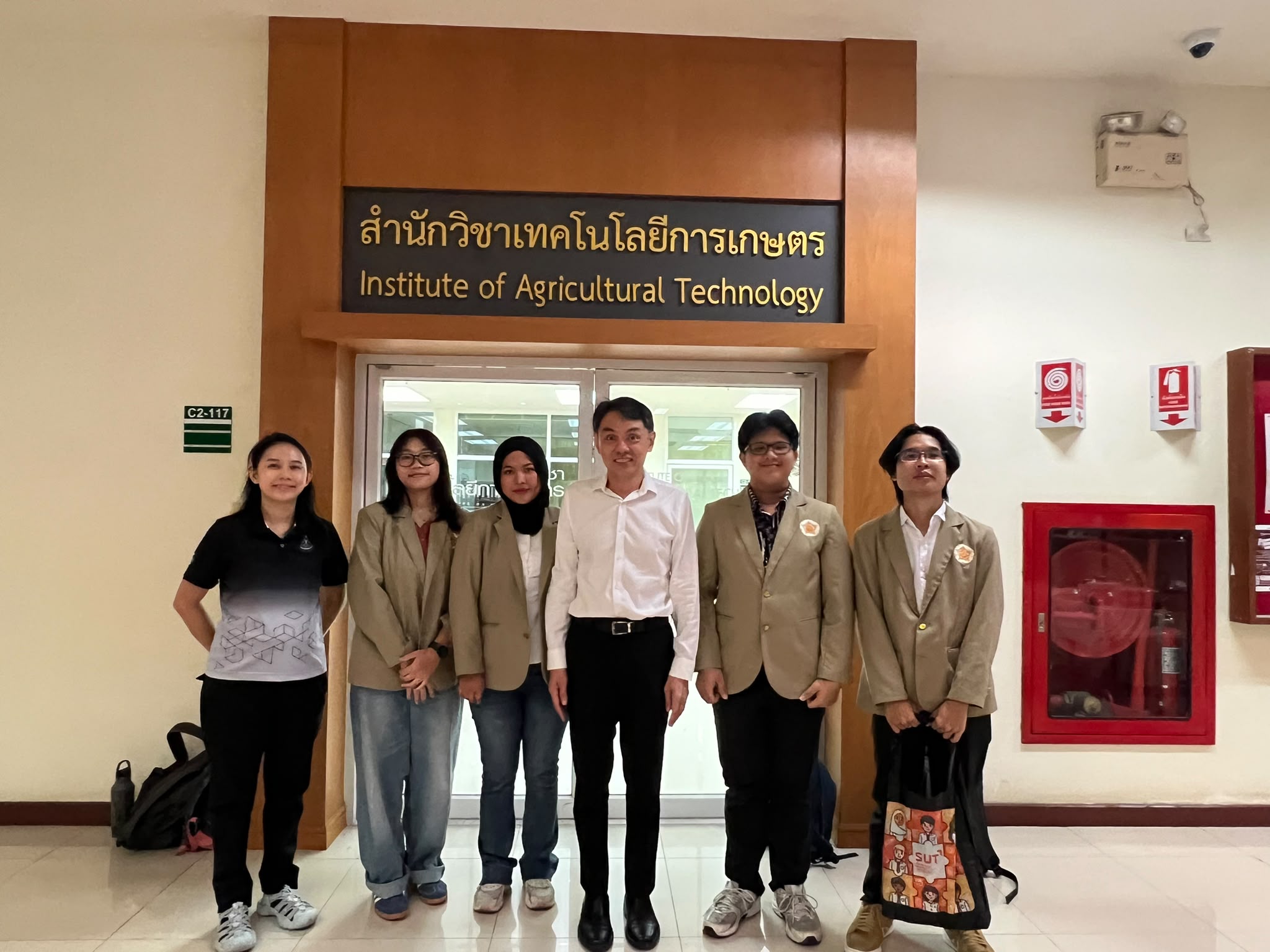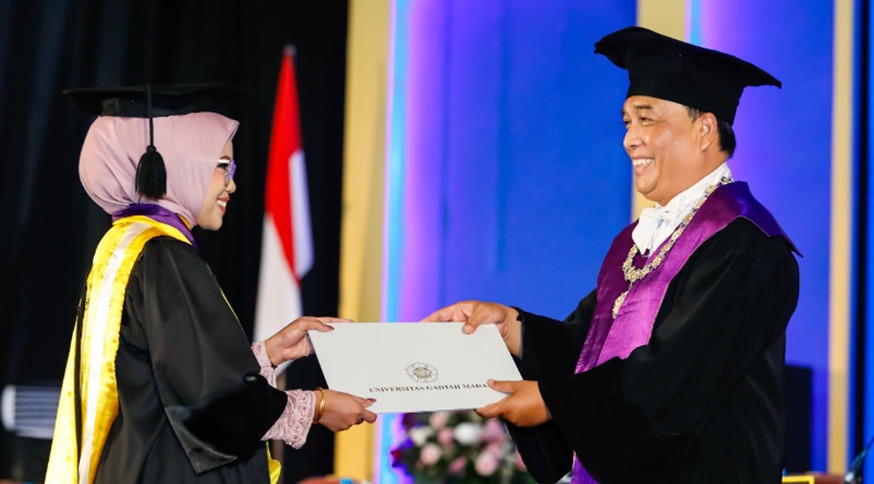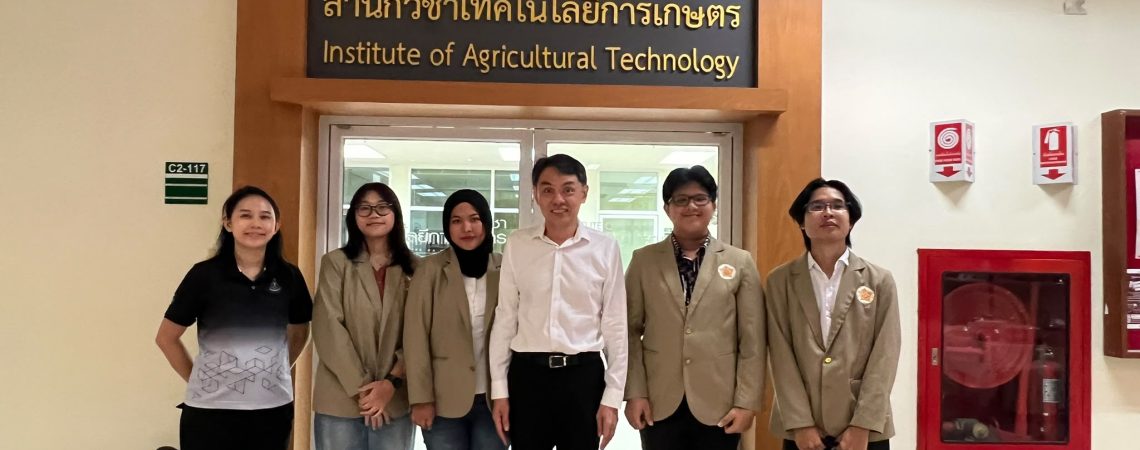
Throughout 3 packed weeks from the 6th to the 24th of July of 2026, four students from the Faculty of Veterinary Medicine at Universitas Gadjah Mada (FVM UGM) had the opportunity to participate in the “Student Exchange Mobility Program (July–August 2026 batch)” at Suranaree University of Technology (SUT), Thailand. The four students were assigned to four different laboratories. Despite being placed in separate labs, all participants were given equal opportunities to engage in academic, cultural, and social activities alongside students from SUT.
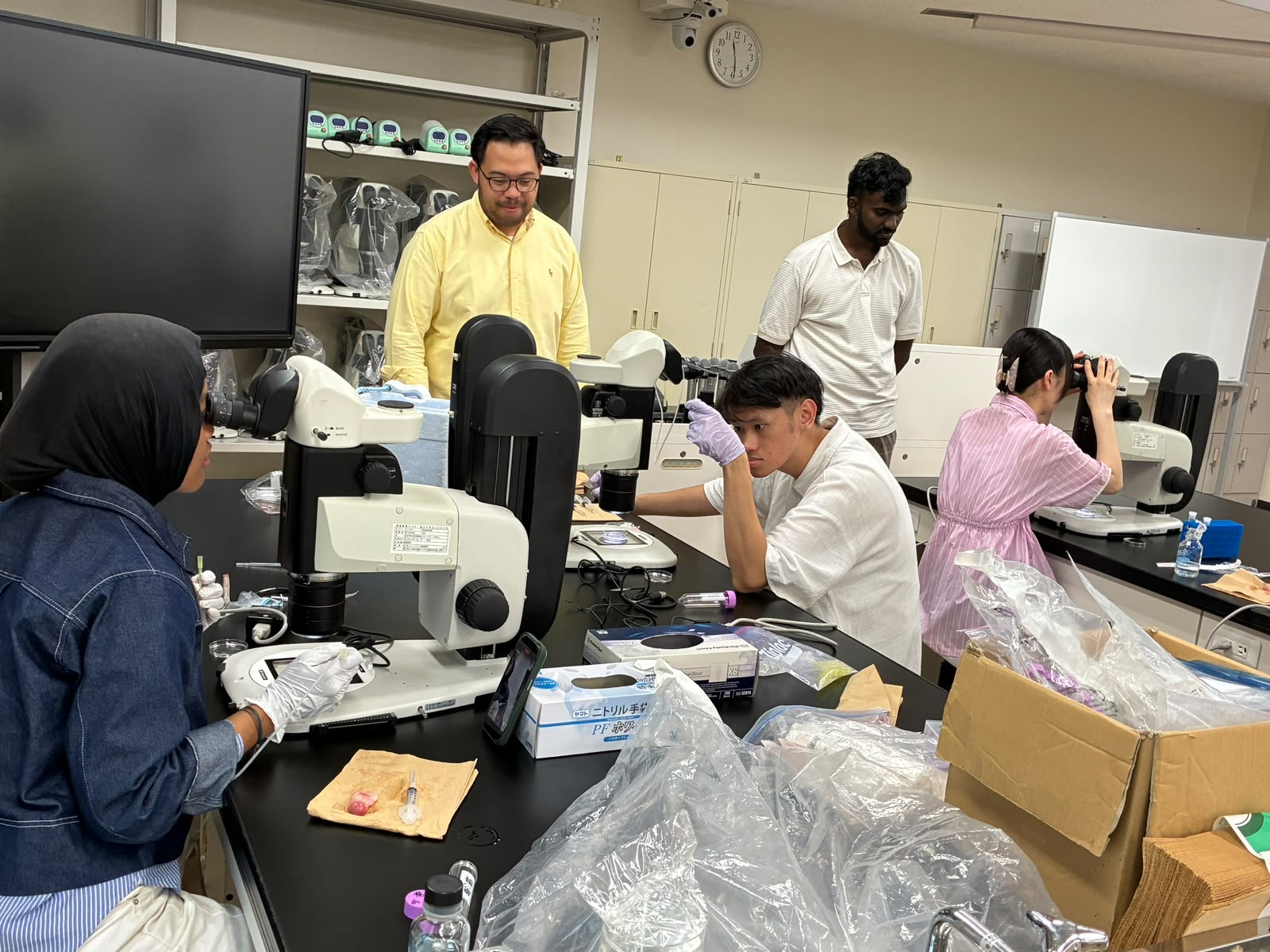
The program began with a welcome and orientation session, which included registration, an introduction to the program, and an overview of the activities scheduled throughout the exchange period. The students also had the chance to explore the SUT campus, followed by a tour of the SUT Farm. Following this initial introduction, the students took part in various laboratory-based activities, complemented by classroom lectures and field observations. Within their designated laboratories, the students were able to focus on specific areas within veterinary research scope.
Salsabila Khairunnisa, one of the participants, was placed in a laboratory focused on Biotechnology in Aquaculture, under the supervision of Assoc. Prof. Dr. Chatsirin Nakharuthai. A second participant, Bunga Maharani Dytama, joined a laboratory dedicated to the utilization of animal by-products—specifically the processing of collagen hydrolysates—under the guidance of Assoc. Prof. Dr. Papungkorn Sangsawad. A third participant, Dante Surya Antasena Suwandi, took part in research concerning animal health and the “One Health” concept, focusing on the detection of Leptospira in cattle at a slaughterhouse, which served as a sentinel site. This placement was supervised by Dr. Pornphutthachat Klaow Sota. Meanwhile, Yohanes Tirto Wijoyo joined a laboratory focused on prebiotics and postbiotics in broiler chickens, under the supervision of Assoc. Prof. Dr. Sutisa Khempaka.
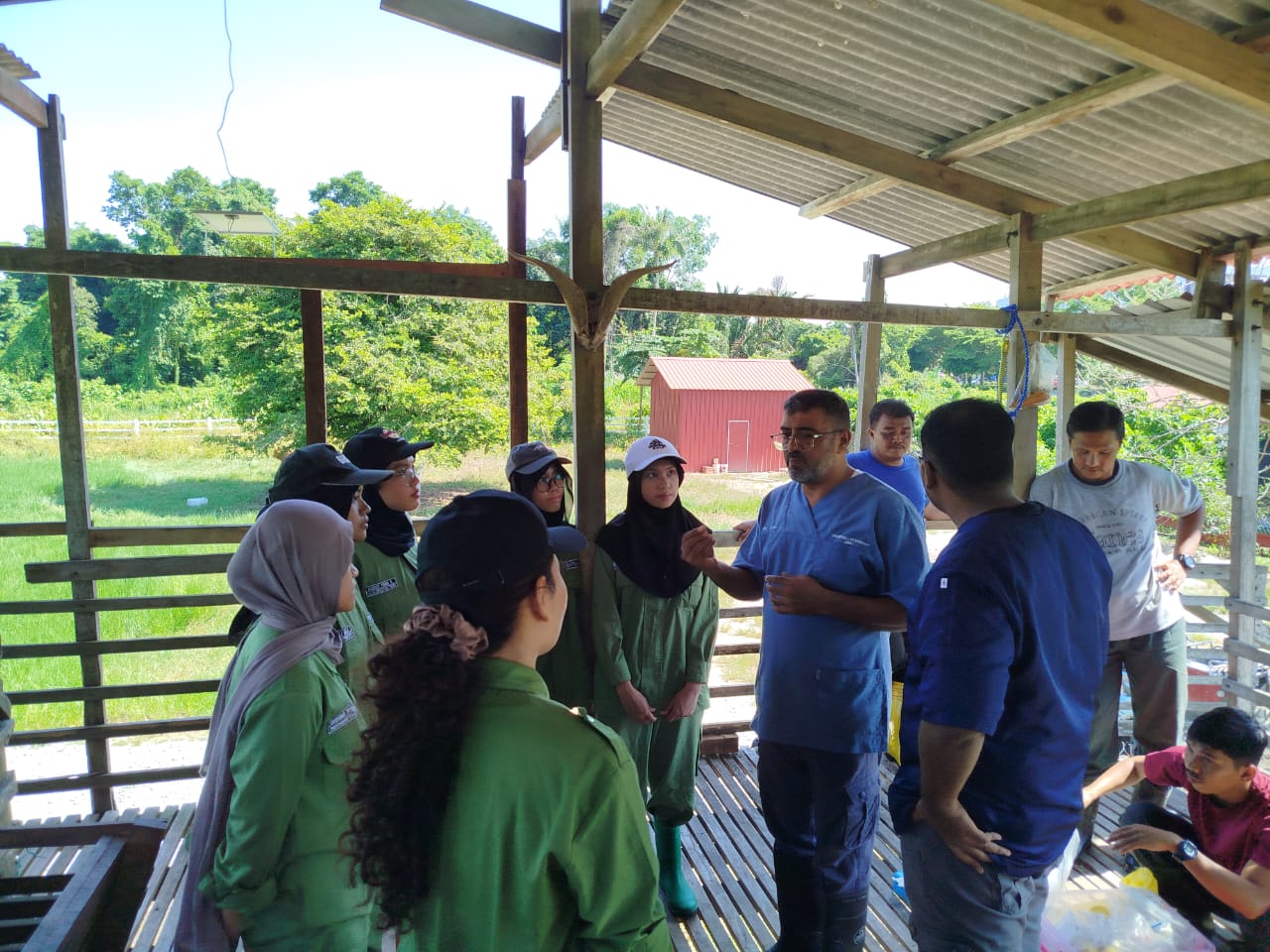
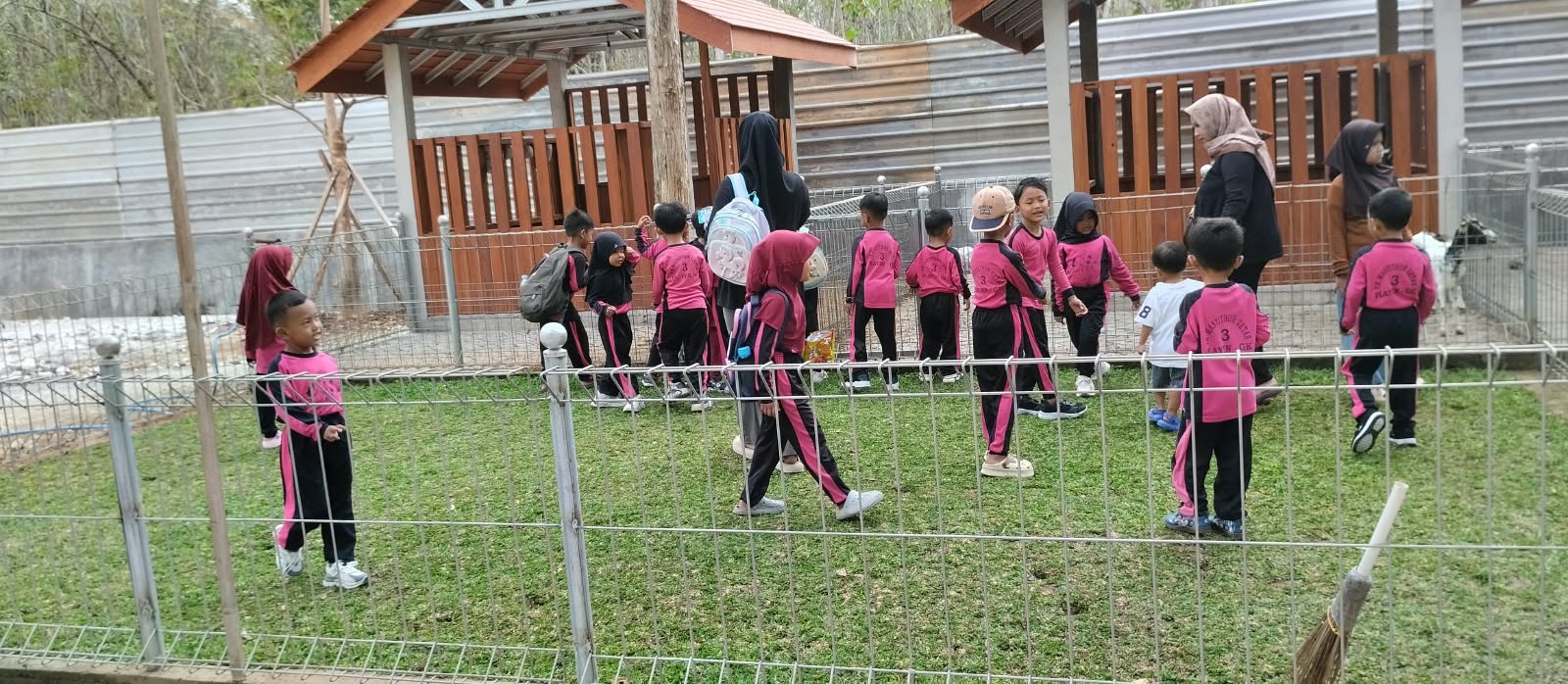
Although the academic assignments varied, these laboratory placements allowed each participant to study within a specialized field, providing them with specific insights into the environments, practices, and approaches relevant to the veterinary discipline. Beyond academic activities, the program also included various field observations and cultural experiences, such as visits to Ayutthaya Province, the Nakhon Ratchasima Zoo, and a goat and sheep farm owned by a local farmer.
At the end of the exchange period, each student was given time to prepare a final presentation focusing on their research in the laboratory and what they had gained during their three weeks at SUT. This provided the students with an opportunity to further develop their communication and presentation skills, while also building their confidence in public speaking and presenting.
The program also contributes to several Sustainable Development Goals (SDGs), specifically SDG 3: Good Health and Well-being, through the exploration of veterinary research, animal health, and the “One Health” approach; SDG 4: Quality Education, through hands-on practical learning, academic exchange, and the development of professional and communication skills; and SDG 17: Partnerships for the Goals, by strengthening academic collaboration and international cooperation between Universitas Gadjah Mada and Suranaree University of Technology. This student exchange program demonstrates how international collaboration and veterinary education can contribute to sustainable development and address challenges that transcend national borders.