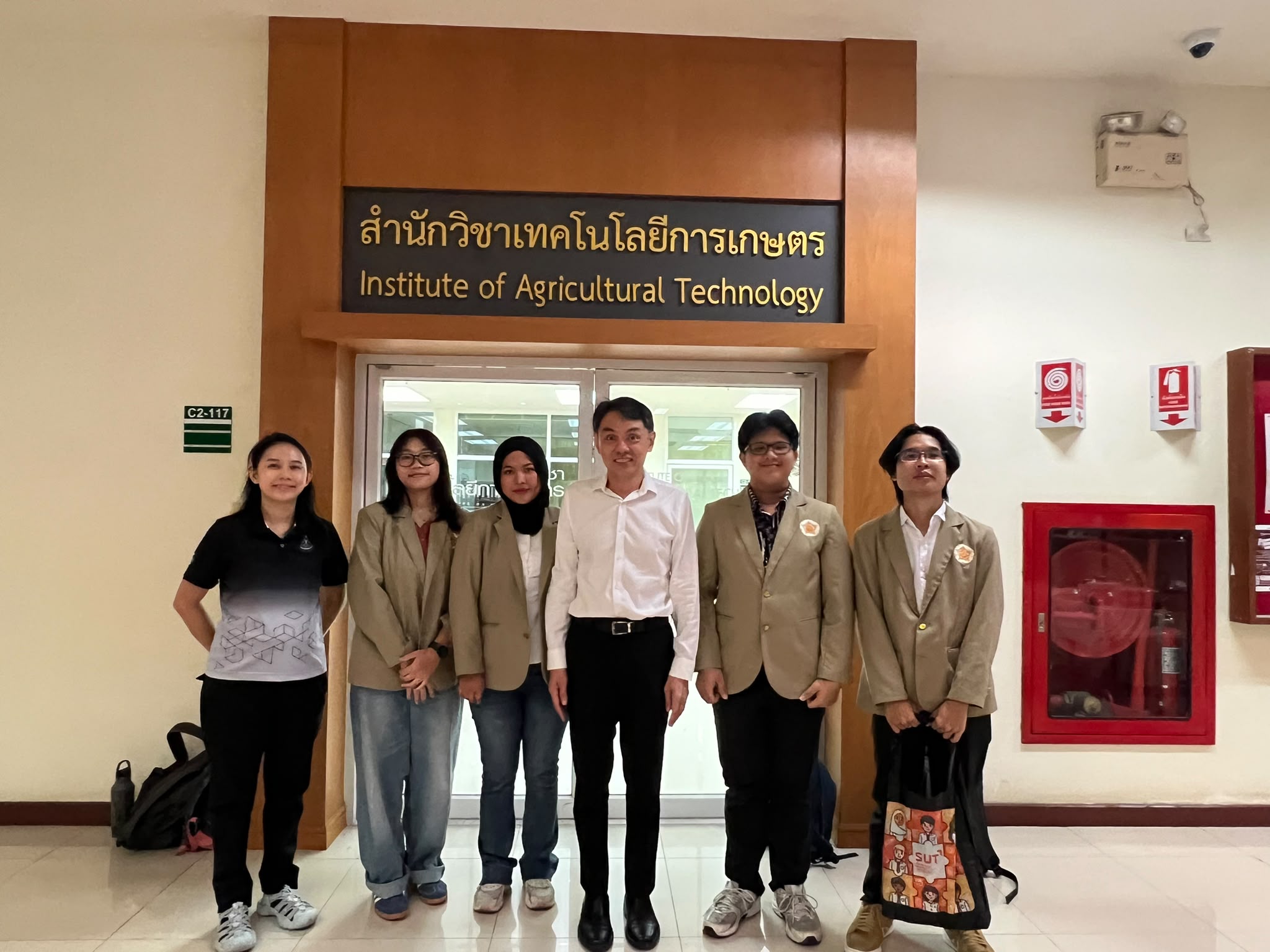
Student exchange programs serve as a strategic, early-stage initiative to equip students with insights into veterinary education from various countries. These programs provide a foundational perspective, offering students a clear understanding of the veterinary field through exposure to the language, culture, and unique characteristics of the host country. Addressing this need, the Faculty of Veterinary Medicine at Universitas Gadjah Mada (UGM) has taken the initiative to organize a “Student Exchange Mobility Program” for the July–August 2026 batch.
The program took place from August 2 to August 16, 2026, hosted by the Faculty of Veterinary Medicine at Universiti Malaysia Kelantan (FPV UMK). Six students from the second and fourth semesters of the UGM Faculty of Veterinary Medicine participated in the program.
This faculty focuses primarily on the development and management of ruminant livestock, with an emphasis on key species such as cattle, goats, and sheep. Additionally, the faculty operates a veterinary hospital that provides care for a wide range of animals, from pets to exotic species.
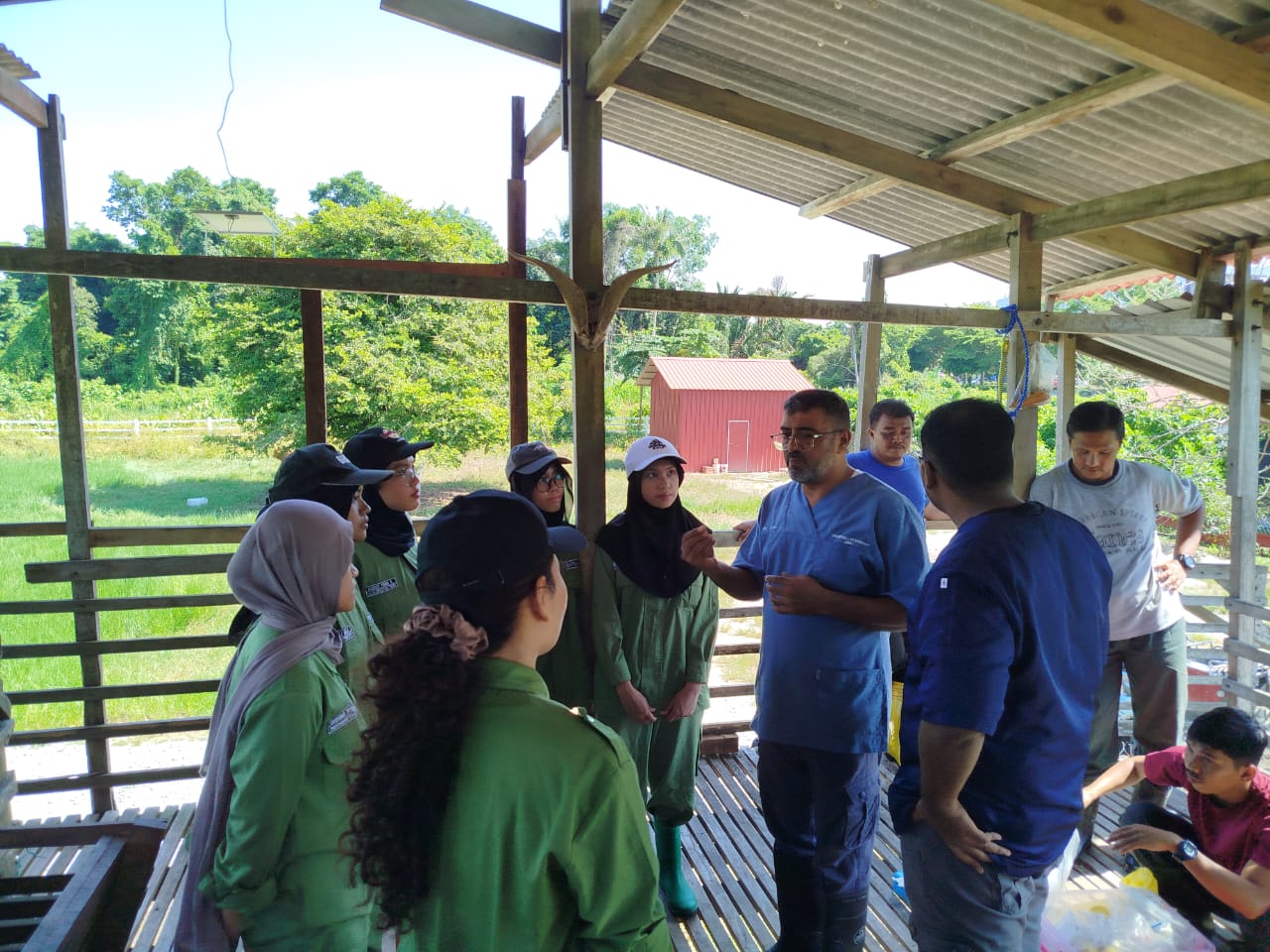
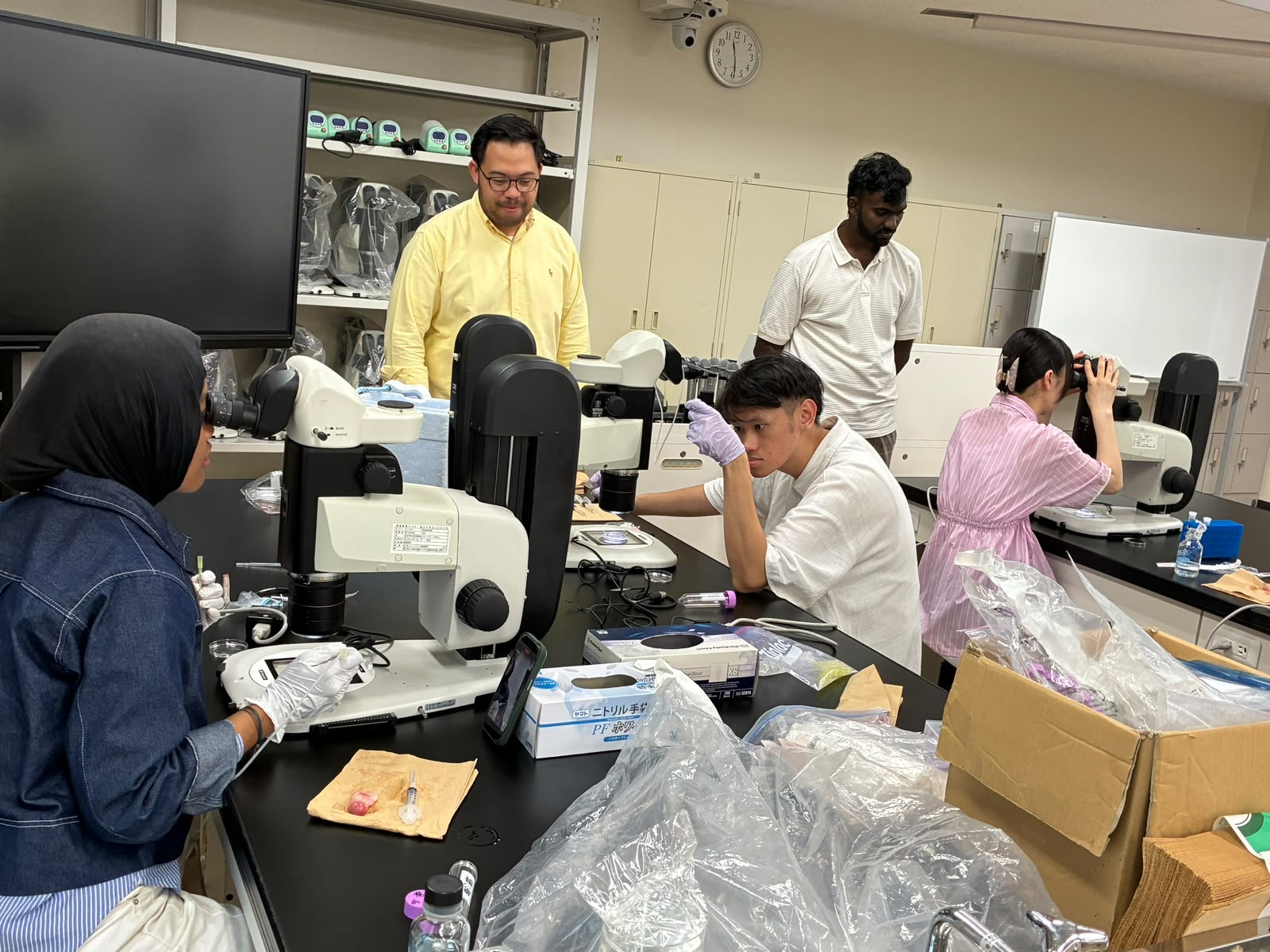
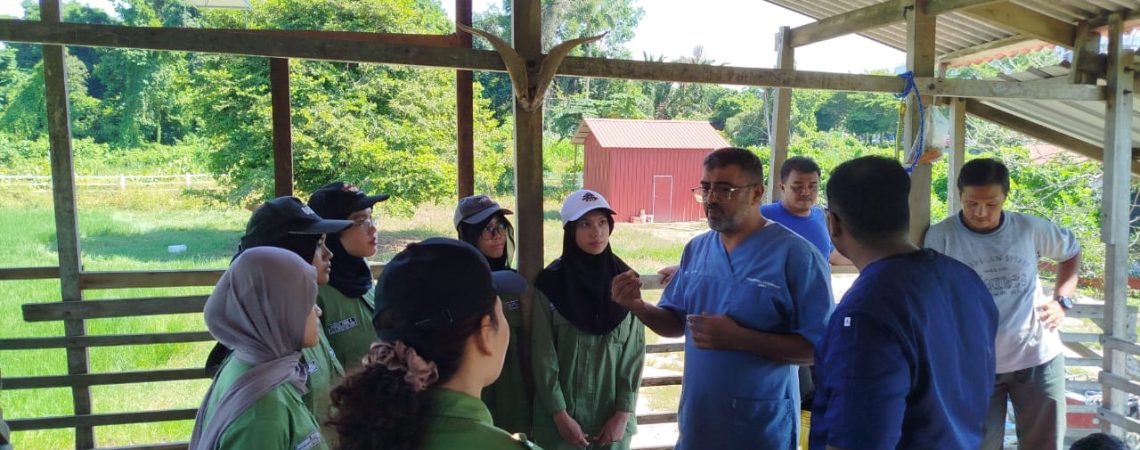
During their student exchange program at FPV UMK, students gain a wealth of new knowledge through various activities. These include fieldwork—such as sample collection—as well as laboratory work, which encompasses test preparation, the execution of tests, and the interpretation of test results.
The student exchange program at FPV UMK spans two weeks. During this program, students are able to directly apply the knowledge they have acquired throughout their coursework—from the first and second semesters up to the fourth semester.
In the first week, students engage in new practical learning, including the collection of blood and fecal samples from cattle, goats, and chickens; performing the Rose Bengal Test (RBT) on bovine blood samples; preparing fecal smears; working with various exotic animals—covering everything from handling and restraint to sexing; conducting hemagglutination assays on avian blood samples; and learning the process of preparing animal tissue specimens, ranging from sectioning to analyzing the prepared slides using a slide scanner.
In the second week, the students visited a poultry farm to collect blood, gather fecal samples, and perform respiratory tract swabs. Subsequently, the students analyzed the fecal samples using the McMaster method, simple flotation, and fecal smears, and prepared slides from fecal cultures. Examination of these fecal culture preparations revealed various forms of Blastocystis, including granular, binary, cystic, and vacuolar forms.
Furthermore, the students prepared and stained blood smears, utilized a hematology analyzer, determined the Packed Cell Volume (PCV), and examined the blood plasma. In addition to their work in the laboratory and at the poultry farm, the students were given a tour of the UMK Veterinary Hospital.
This activity aligns with several of the Sustainable Development Goals (SDGs). It supports SDG 3: Good Health and Well-being by enhancing students’ knowledge and skills in animal health—covering areas such as the collection and analysis of biological samples, hematological examinations, and various veterinary diagnostic methods. The initiative also aligns with SDG 4: Quality Education, providing hands-on learning experiences within academic and laboratory settings; this allows students to further develop their knowledge, practical skills, and understanding of the veterinary medical concepts covered in their coursework. Furthermore, this student exchange program supports SDG 15: Life on Land, through instruction on the health, management, and handling of various animal species—ranging from livestock to exotic animals—thereby contributing to the welfare and sustainability of terrestrial animal life. Through this Student Mobility Program, students gain practical experience in applying veterinary medicine while broadening their perspectives and expanding their academic networks, which directly relates to SDG 17: Partnerships for the Goals.