• Tentang UGM
  • simaster
  • Pusat TI
  • Perpustakaan
  • Penelitian
  • Webmail
  • Informasi Publik
  • English
    • English
    • Bahasa Indonesia
Universitas Gadjah Mada Faculty of Veterinary Medicine
Universitas Gadjah Mada
  • About Us
    • Greeting from The Dean
    • History
    • Vision and Mission
    • Quality Assurance
    • Faculty Management
    • Departments
    • Contact
  • Education
    • Veterinary Medicine Study Program and Veterinary Profession Educational Study Program
      • LIST OF COURSES AND MODULE HANDBOOKS
      • SUBJECT COURSES AND DOCUMENTS PORTOFOLIO
      • Academic Guidelines
    • Postgraduate Program
    • International Undergraduate Program
    • Animal Hospital
  • Research
    • Research Ethics Committee
    • COMMUNITY SERVICES
    • RESEARCH
    • PUBLICATION
    • Book
  • Collaboration
    • NATIONAL
    • INTERNATIONAL
  • ADMISSION
  • Downloads
  • Home
Archive:

Tag: English

Two Students Won Bronze Medal at BIOS 2025

HighlightsNewsStudent Activity Saturday, 14 March 2026

Students from the Faculty of Veterinary Medicine at Universitas Gadjah Mada (UGM) have achieved international recognition by winning a bronze medal at the Bioinformatics and Synthetic Biology Competition (BIOS) 2025. The competition was organized by synbio.id, a nonprofit organization dedicated to advancing and accelerating research in synthetic biology and bioinformatics.


In this competition, the Faculty of Veterinary Medicine UGM was represented through “Theranova,” a collaborative inter-university team comprising students from Universitas Indonesia, Universitas Brawijaya, Universitas Andalas, and Universiti Malaya, alongside UGM. The Faculty of Veterinary Medicine UGM was represented by two students, Raditia Luki Ananta and Evelyn Hartono.


Under the supervision of Prof. Dr.rer.nat. apt. Adam Hermawan, M.Sc., Professor at the Faculty of Pharmacy UGM, the team presented their research entitled “Engineering of Chimeric Lipid Nanoparticles Functionalized with Di-Rhamnolipid for Selective Delivery of PGV-1 in Triple Negative Breast Cancer Cells.” This research focused on developing a drug delivery system based on chimeric lipid nanoparticle modeling. The key innovation lies in utilizing the biosurfactant di-rhamnolipid to enhance the selectivity and delivery efficiency of PGV-1, a promising small-molecule anticancer candidate, specifically targeting Triple Negative Breast Cancer (TNBC) cells. The chimeric lipid nanoparticle was engineered by integrating di-rhamnolipid to enable specific targeting of TNBC cells, which are known for their aggressive nature and lack of conventional therapeutic targets. This approach is expected to improve therapeutic precision while minimizing systemic side effects.


The BIOS 2025 competition was conducted through a rigorous selection process from August to November 2025. The stages included abstract submission, development of a project website as a research showcase platform, and fulfillment of defined project deliverables. In the final round, the Theranova Team presented their innovation before a panel of judges. Their strong conceptual framework, in-depth bioinformatics analysis, and robust methodological design were key factors contributing to their success in securing the bronze medal.


Raditia Luki Ananta, team leader of Theranova, stated, “We plan to continue this research in collaboration with Prof. Adam Hermawan and also with Badan Riset dan Inovasi Nasional (BRIN) to develop a prototype ready for preclinical testing.” Evelyn Hartono added, “This collaboration with BRIN represents a strategic step to accelerate the translation of laboratory research into real clinical applications, particularly for TNBC therapy.” These statements reflect the team’s commitment to advancing impactful and translational scientific innovation.


This achievement represents a tangible contribution by academic communities in supporting the global Sustainable Development Goals (SDGs) established by the United Nations, particularly SDG 3 (Good Health and Well-Being), SDG 4 (Quality Education), and SDG 17 (Partnerships for the Goals). Through innovation in TNBC therapy, this research aims to provide safer and more effective therapeutic solutions for breast cancer patients and contribute to reducing mortality from non-communicable diseases through advances in pharmaceutical technology (SDG 3). Furthermore, this accomplishment reflects the quality of higher education that integrates research-based learning and innovation. Participation in international competitions enables students to apply theoretical knowledge in practical contexts, particularly in advanced bioinformatics and molecular biology (SDG 4). In addition, multidisciplinary collaboration across institutions, including UGM, UI, UB, Universitas Andalas, and Universiti Malaya, along with active mentorship from academic supervisors, demonstrates strong institutional synergy and serves as an example of strategic partnerships in generating innovations with broad societal impact (SDG 17).

Faculty of Veterinary Medicine UGM Inaugurates 205 New Veterinarians

Highlights Monday, 19 January 2026

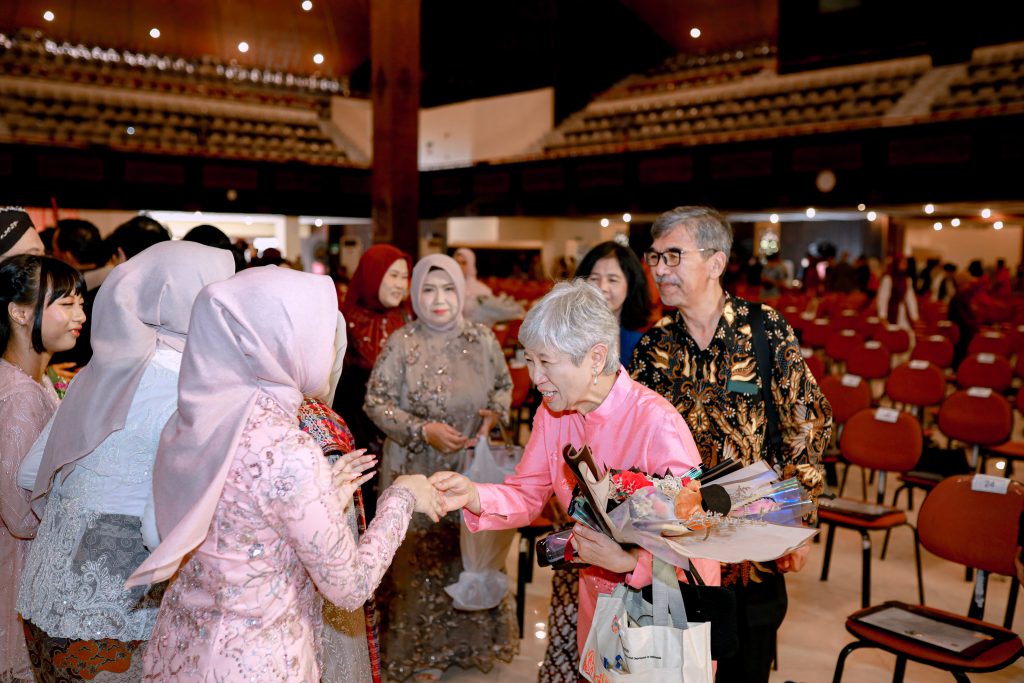
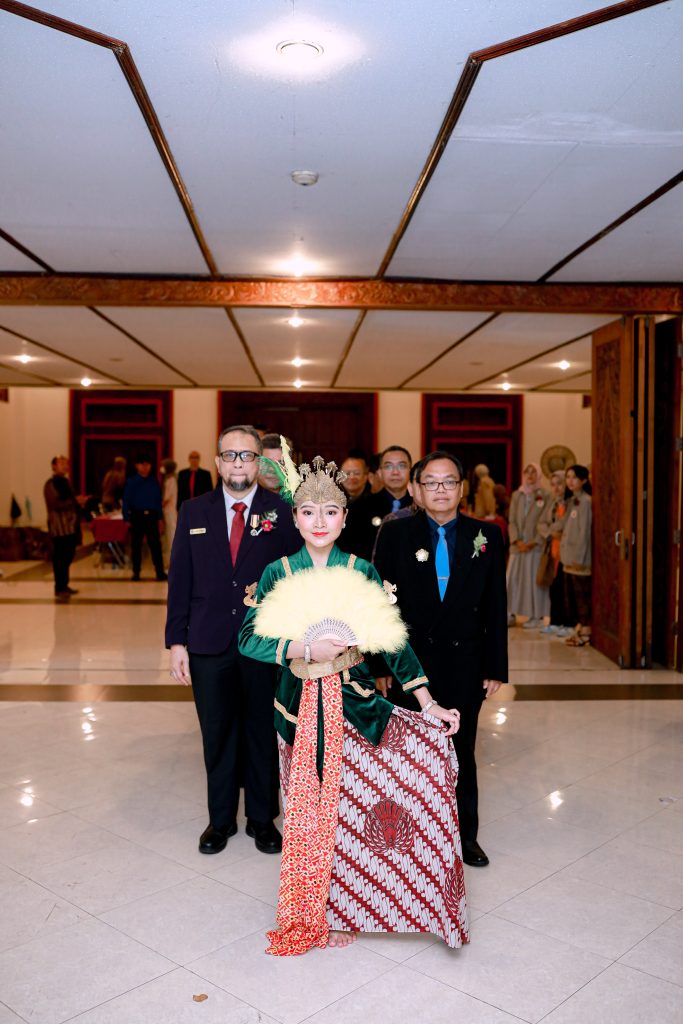
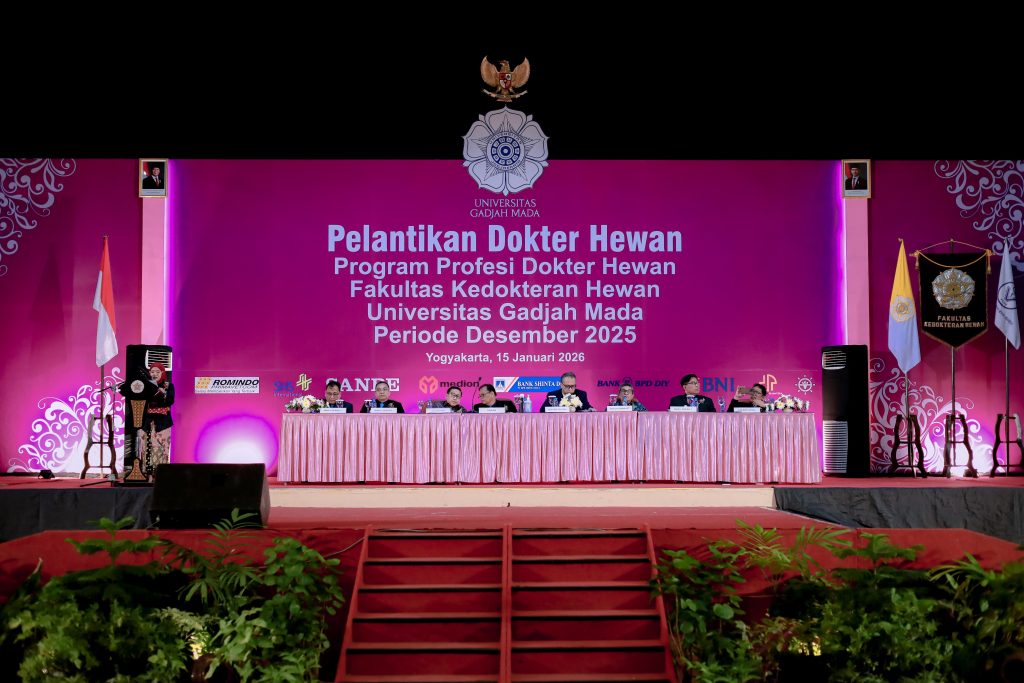
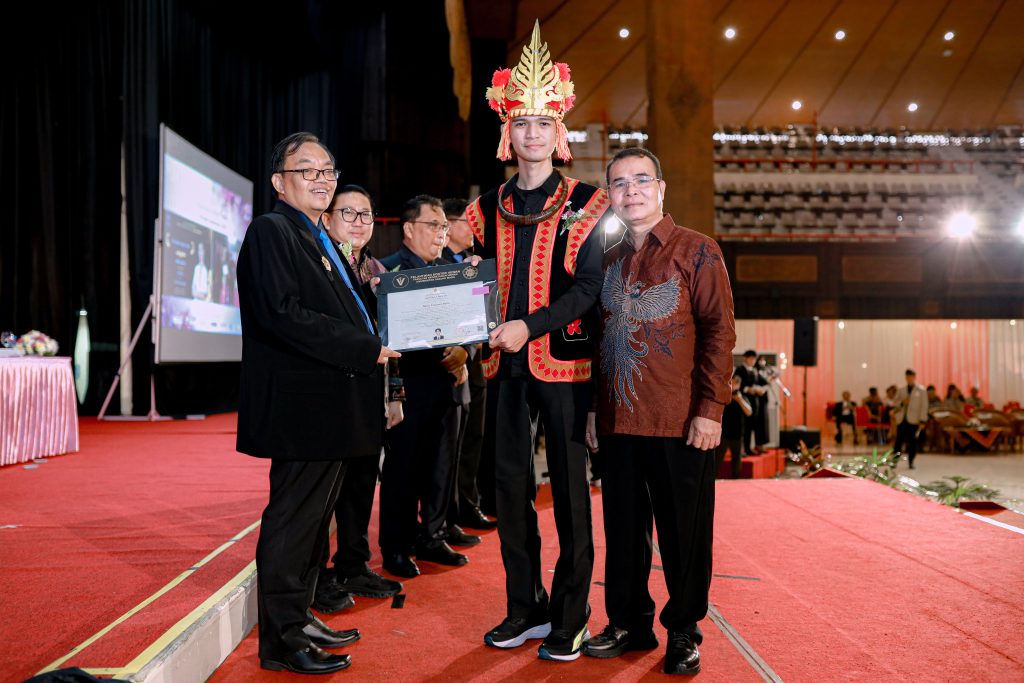
Yogyakarta – January 15th, 2026, the Faculty of Veterinary Medicine Universitas Gadjah Mada (FKH UGM) inaugurated another 205 new veterinarians. So far, FKH UGM has inaugurated a total of 6,620 veterinarians by 2026. The top graduate in the December 2025 inauguration period was Rana Ayuningtyas A.P., DVM., while the best competency exam score was achieved by Vinobel Anugrah Sagita, DVM. The youngest veterinarian inaugurated during this period was Mia Yunita, DVM. The inauguration ceremony was attended by the Director General of Animal Husbandry and Animal Health (PKH), Ministry of Agriculture, Dr. Agung Suganda, DVM., M.Si. In his speech, Agung discussed the Strategic Role of the Animal Husbandry and Animal Health Subsector, namely as a provider of animal protein, increasing the income and welfare of livestock farmers, developing the food/ processing industry, and improving the quality of life. These newly inaugurated veterinarians have many career opportunities due to the increasing need for animal protein and the Free Nutritious Meal (MBG) program promoted by the government. The Secretary General of the Indonesian Veterinary Medical Association (PDHI), Dr. Andi Wijanarko, DVM., M.M., advised the new veterinarians to maintain communication with each other, cultivate external relationships with colleagues from other universities, and remember to return to the faculty and Yogyakarta, as Yogyakarta is made of love and longing he said. The Dean, Prof. Teguh Budipitojo, DVM., MP., Ph.D., also congratulated the new veterinarians on their careers and urged them to remember their alma mater. Teguh thanked the students’ parents for their trust in putting their child pursuing at the veterinary education at the Faculty of Veterinary Medicine UGM. With the inauguration of the new veterinarians, FKH UGM officially returned them to their parents. The inauguration of veterinarians for the December 2025 period supports several points of the Sustainable Development Goals (SDGs), namely SDG 4 Quality Education, SDG 2 Zero Hunger, SDG 5 Gender Equality, SDG 8 Decent Work and economic growth, and SDG 17 Partnerships for the goals.
IMG_4462
IMG_3599
IMG_3463
IMG_3232
IMG_4002

Vet Fun Run: The First Run with Your Pet in Indonesia

Uncategorised Friday, 26 September 2025

Saturday, September 20th, 2025, the Faculty of Veterinary Medicine (FVM) UGM held a Vet Fun Run as part of the 79th Anniversary activities. This event was a joint run attended by the general public and their pets. There were 3 running categories, namely 2KM with your pets, 3KM for individuals and families, and 5KM for Individuals. This event was attended by 600 participants, including 30 pets. This running event with pets was the first of its kind in Indonesia. There were participants who brought with them cats in baby trolleys, small and large dogs, even chickens and hamsters.

After finishing the running route around UGM, participants received refreshments such as isotonic drinks and bananas. Specifically for the 2KM run with pets, there was no time limit to ensure the animals didn’t get too tired and could enjoy the exercise. All animals received medals after completing the route agreed upon by the committee, although some smaller animals were hand-carried by their owners. In this activity, Vet Fun Run was supported by pacers from the Yogyakarta running community. The event continued with group dance-exercise and the distribution of door prizes for runners or participants.

The event also featured a pet show featuring dogs and cats. Dressed in adorable costumes, the animals were asked to complete challenges based on instructions from their owners. During the event, the Faculty of Veterinary Medicine (FVM) of Gadjah Mada University (UGM) also provided a free veterinary examination booth from the Prof. Soeparwi Animal Hospital, allowing owners to directly check their beloved pets for regular check-ups or address any complications that may arise during the Vet Fun Run.

The Vet Fun Run FVM UGM also held a reel competition with criteria for the most interesting pet, best costume, and solidarity among FVM UGM alumni batches. There were many food and beverage booths from MSMEs for participants to enjoy after the run. In collaboration with RSA UGM, GMC, RSGM Prof. Soedomo, FVM UGM also provided free health checks, free dental check-ups, and blood donation for the general public to join.

The event proceeded smoothly and cheerfully. In her Instagram post, amaaliad wrote, “An anti-mainstream running event! Not only is it healthy and fun, but you can also run with your beloved pets. Plus, there’s free health consultations for pets and their pets, free dental consultations, a pet fashion show, a dog sprint race, and various attractive door prizes! This event should continue next year.”

This event supports the values ​​of the Sustainable Development Goals (SDGs), such as SDG 2: Zero Hunger, SDG 3: Health and Well-Being, and SDG 17: Partnerships for the Goals.

DSC00346
DSC00341
_DSC2187
_DSC2167
_DSC2183
_DSC2154
_DSC2195
_DSC2375
_DSC2408
_DSC2192
_DSC2263
_DSC2339
_DSC2402
_DSC2148
_DSC2116
_DSC2193
_DSC2347
_DSC2364
_DSC2462
_DSC2429
_DSC2421
_DSC2400
_DSC2385
_DSC2481
_DSC2527
_DSC2096

The 79th Anniversary of the Faculty of Veterinary Medicine UGM Began with Yogyakarta Andong Festival

HighlightsNews Tuesday, 26 August 2025

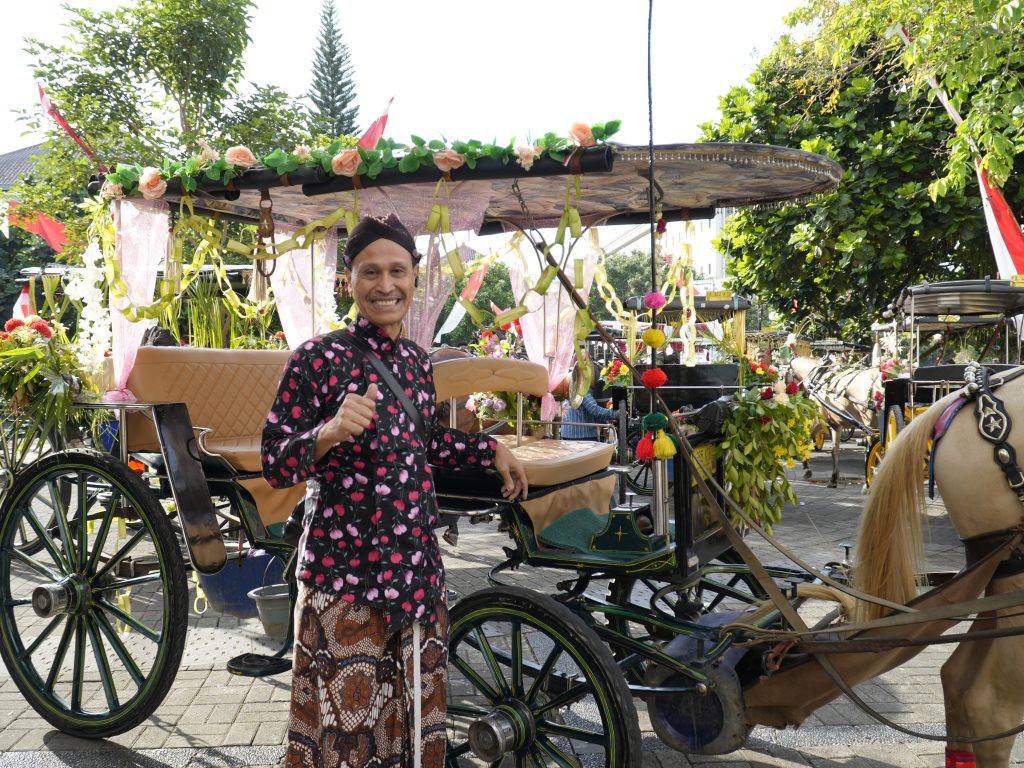
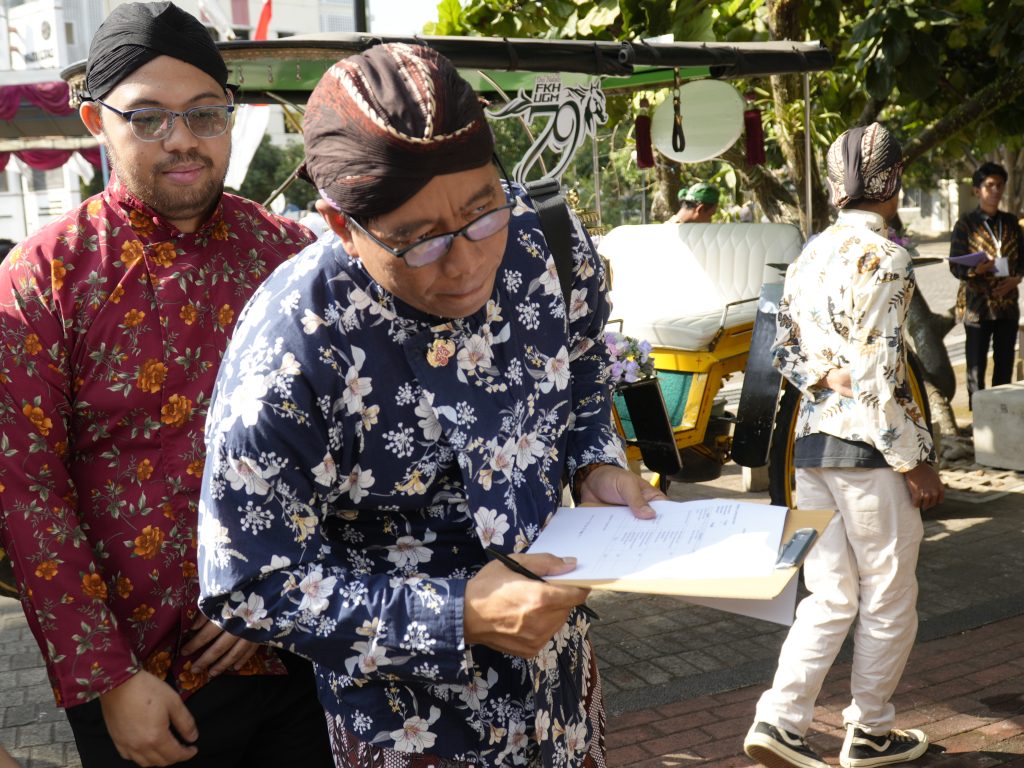
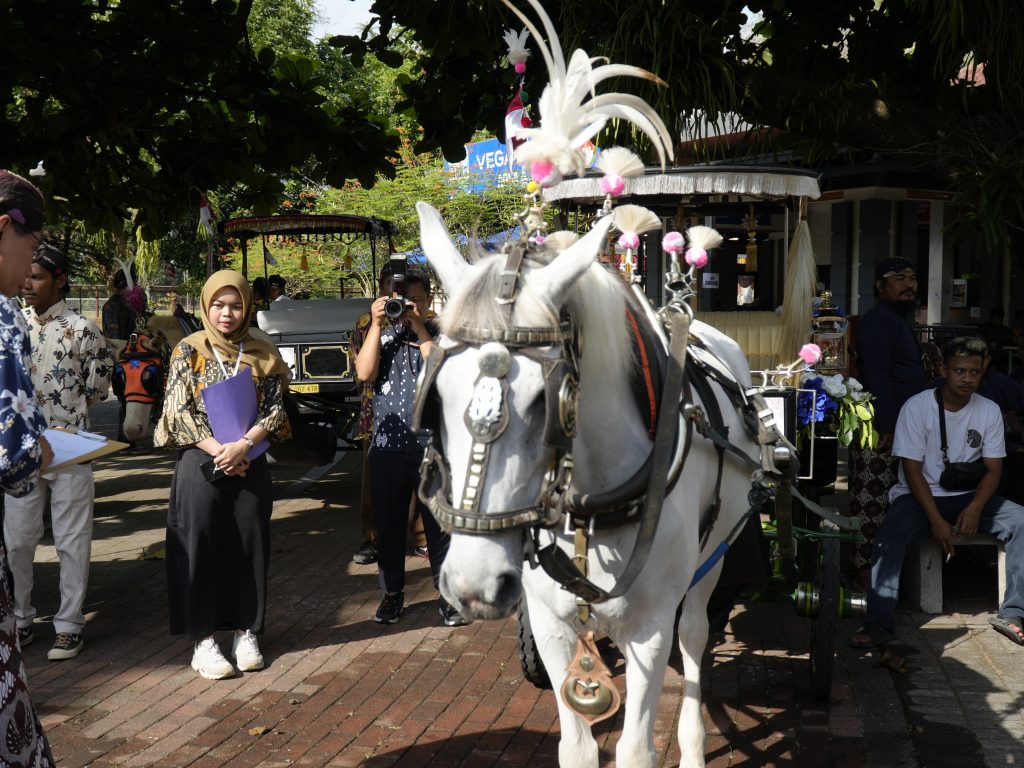
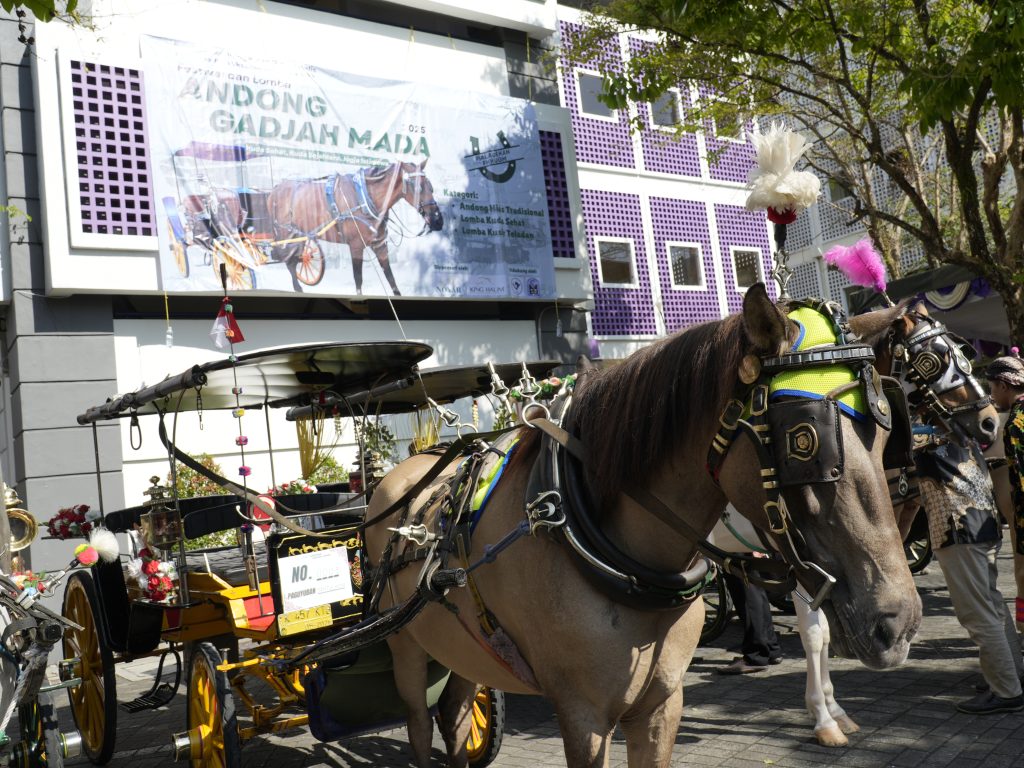
On Thursday, August 14th, 2025, the 79th anniversary series of the Faculty of Veterinary Medicine, Universitas Gadjah Mada (FVM UGM) officially started. The series kicked off with a festival and Andong (horse-drawn carriage) competition. This event aims to preserve andongs as a means of transportation and as a tourist attraction, a unique characteristic of the Special Region of Yogyakarta.

In his remarks, the chairman of the 79th Anniversary Committee, Setyo Yudhanto, DVM., M.Sc., Ph.D., stated that the anniversary celebrations included a variety of activities, including an andong festival, a fun run, and an alumni gathering. He added that this was the first time the opening ceremony had been combined with an andong festival.

In the next speech, the Dean of the Faculty of Veterinary Medicine, Prof. Teguh Budipitojo, DVM., M.P., Ph.D., also stated that the andong festival was the first of its kind held at the Faculty of Veterinary Medicine. He therefore expressed his appreciation for the various parties who participated in the opening of the Faculty’s 79th Anniversary. “Thank you for your cooperation and assistance in the opening of the 79th Anniversary this morning.”

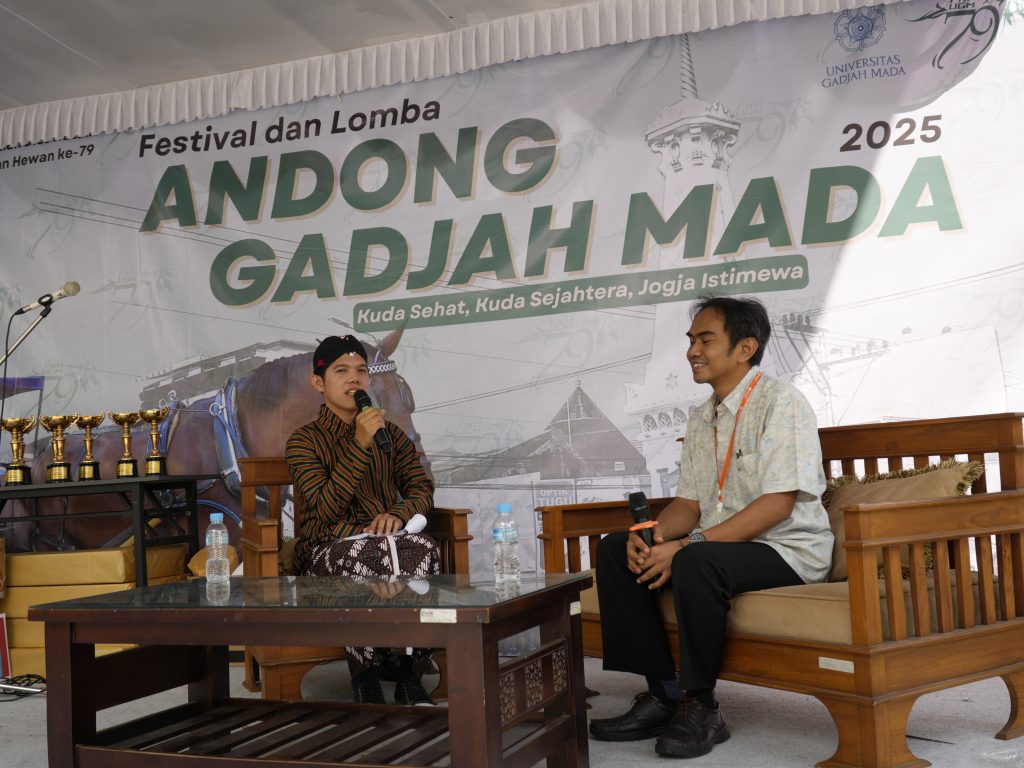
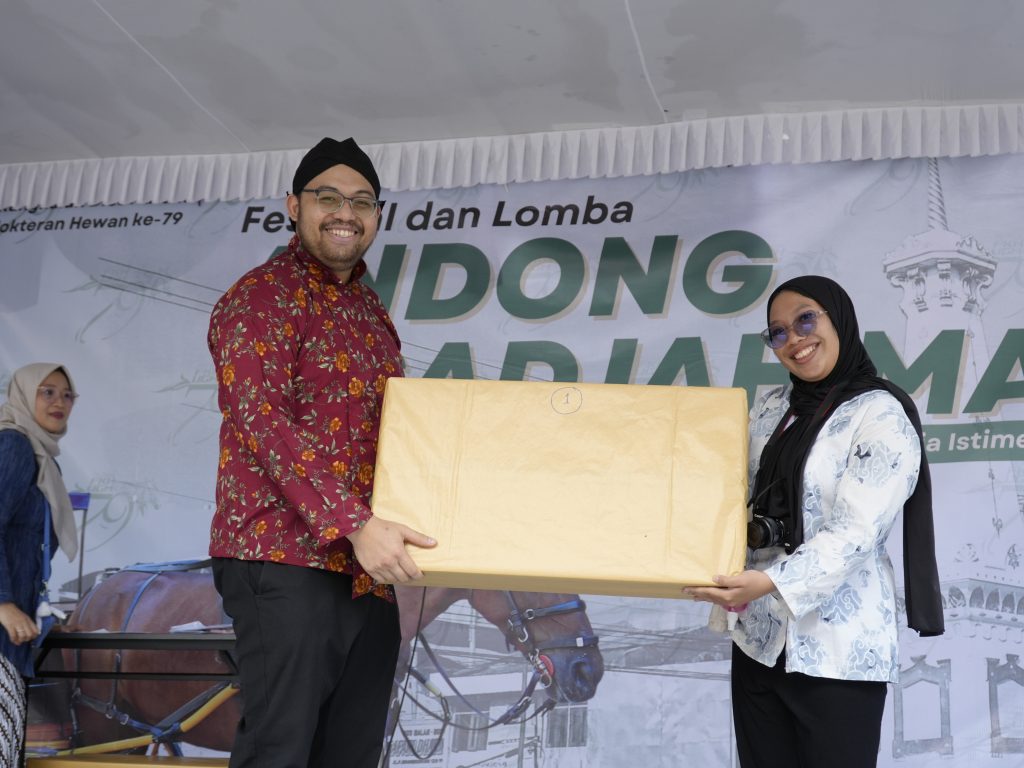
The opening ceremony featured a horse dance performance (Kuda Lumping), Andong parade, a talk show about workhorse welfare, door prizes, and Andong competition in several categories. The categories included the Traditional Decorative Andong Competition, the Healthy Horse Competition, the Exemplary Coachman Competition, and the Photography Competition. Thirteen Andong groups from across Yogyakarta participated in the competition. The horse-drawn carriages, decorated with distinctive regional ornaments, became a major draw for visitors. In addition to students and lecturers, the general public also attended and enjoyed the series of events that lasted until noon. Visitors were also able to shop at the MSME stands scattered around the grounds of the Faculty of Veterinary Medicine, UGM.

The opening of the 79th Anniversary of the Faculty of Veterinary Medicine, UGM, supports several values ​​of the Sustainable Development Goals (SDGs), including goal 3 Good health and well-being, point 4 Quality Education, point 10 Reduced Inequality, point 11 Sustainable Cities and Communities, point 13 Life on Land, and point 17 Partnerships for the goals.

_DSC1673
_DSC1689
_DSC2084
_DSC1667
_DSC1736
_DSC1756
_DSC1757
_DSC1769
_DSC1802
_DSC1877
_DSC1927
_DSC2007

Sukorini Fun Walk: Community Health and Social Resilience “Collaborative action towards a healthy and resilient Sukorini village”

News Tuesday, 12 August 2025

Klaten, Juli 27 2025 – In a vibrant celebration of community, health, and collaboration, the Student Community Service teams (KKN) from Universitas Gadjah Mada (UGM) and Universitas Pembangunan Nasional Veteran Yogyakarta (UPNVY) jointly hosted a large-scale Fun Walk event in Sukorini Village, Manisrenggo Sub-district, Klaten Regency. Held in commemoration of National Children’s Day, the event was not just a physical activity—it was a dynamic platform for promoting health awareness, economic empowerment, and cultural appreciation among the village community.

The event brought together over two hundred participants from all nineteen hamlets of Sukorini Village, including children, youth, parents, elderly, and community leaders. It featured a wide range of integrated activities—Fun Walk, free health screenings, children’s stage performances, and a vibrant local MSME (Micro, Small and Medium Enterprises) exhibition. The energy and enthusiasm of the attendees reflected a shared aspiration to build a healthier, more connected, and more empowered community.

The Sukorini Fun Walk began at 6:30 AM, flagged off at the village field by the organizing committee and attended by village officials, field supervisors, and the local community. The walk symbolized a journey not just through the village’s scenic roads, but also towards a healthier lifestyle and a deeper communal bond.

Following the walk, the crowd gathered around several activity zones. Free health check-ups were offered, including blood pressure measurements and general consultations, delivered by trained personnel and facilitated by both KKN teams. These services aimed to encourage regular health monitoring and early disease prevention—especially vital in rural communities where access to healthcare may be limited.

The children’s stage added vibrant color to the event. Young students from local elementary schools performed dances, songs, and poetry readings. This not only celebrated National Children’s Day but also gave the younger generation an opportunity to shine and participate actively in community-building.

In alignment with SDG 8 (Decent Work and Economic Growth), the event also featured culinary booths and MSME stands showcasing local products such as snacks, beverages, handmade crafts, and agricultural goods. These microbusinesses, run by villagers themselves, were given the opportunity to promote and sell their products to a larger audience.

This economic aspect of the event reflected the dual goal of the program: to encourage a healthy lifestyle and stimulate the village economy through direct community engagement and entrepreneurship.

The event served as a model of inter-university collaboration, demonstrating how student-led community service can make a real, immediate impact when supported by local leadership and inclusive participation. The planning and implementation of the event were conducted jointly by KKN-PPM UGM and KKN-BN UPNVY, with full support from the Village Government of Sukorini.

“We hope this collaboration inspires more meaningful community initiatives that are sustainable and can be replicated or continued independently by the villagers,” said Destina Kawanti, S.Si., M.IP., Head of the Partnership and KKN Program Working Group at Universitas Gadjah Mada. Her statement highlights the core value of community service: to catalyze positive changes that endure beyond the duration of the program.

Field Supervisor of KKN-PPM UGM Manisrenggo, Prof. drh. Aris Junaidi, Ph.D., expressed his optimism: “It is our hope that this Fun Walk contributes to the vision of a healthier, more developed, and self-reliant Sukorini Village. These kinds of events are stepping stones to sustainable rural development.”

This event is more than a one-day celebration—it marks the beginning of a long-term movement towards improving public health, fostering social cohesion, and unlocking local potential in rural communities. The success of the Sukorini Fun Walk has set a precedent for how academic institutions, students, and local communities can co-create impactful programs in line with national development goals and global sustainability targets.

The organizing teams from UGM and UPNVY extend their gratitude to all participants, collaborators, and community leaders for their support and involvement. They invite stakeholders from academia, government, and the private sector to continue investing in grassroots community development through inclusive, health-oriented, and economy-supporting initiatives (Writer: Muhammad Ridwan Adyatama, Photographer: Ahmad Herosa Harsam).

A Glance about Students Mobility 2025

NewsStudent Activity Friday, 25 July 2025

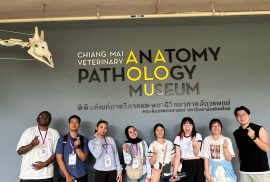
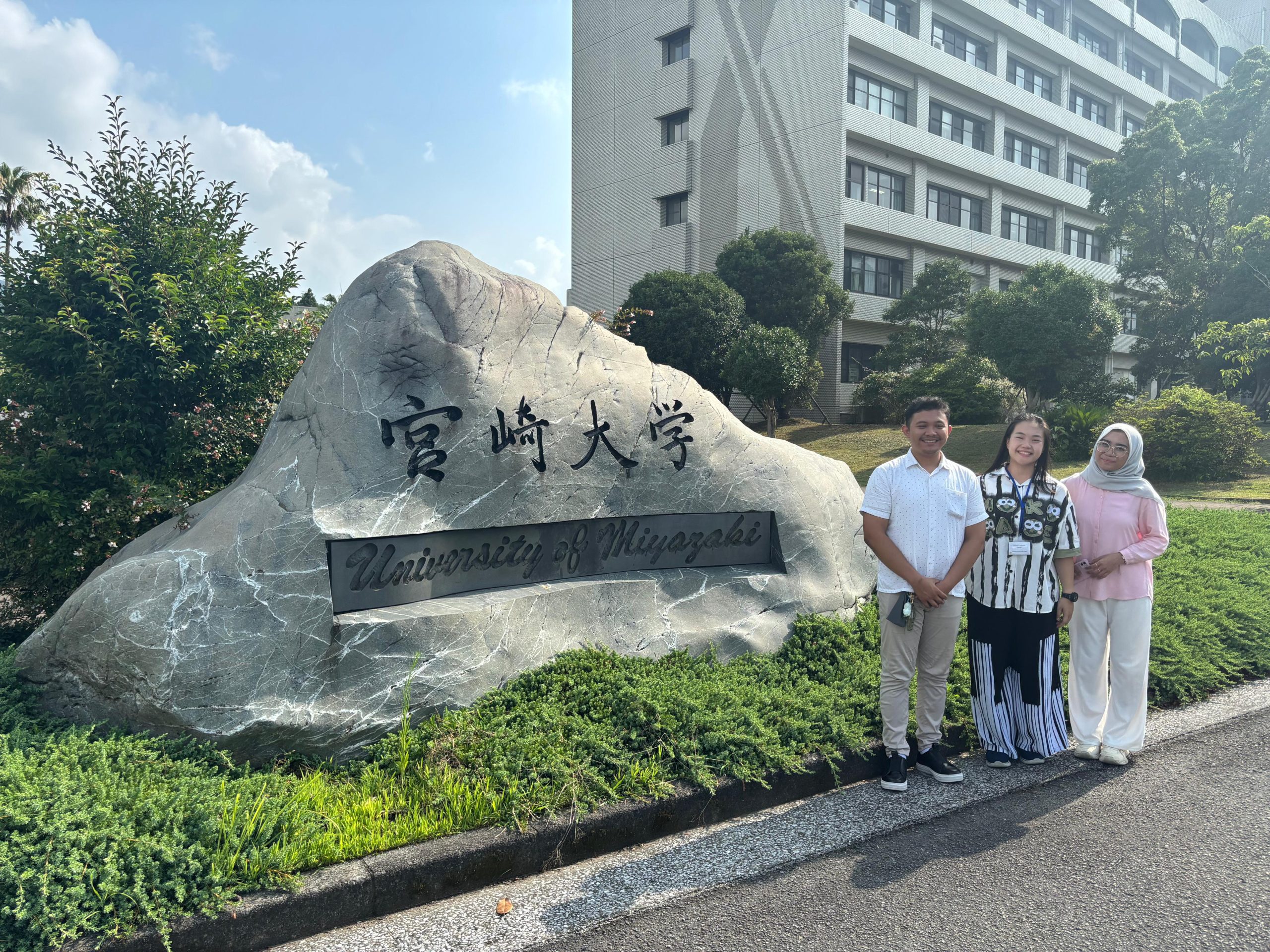
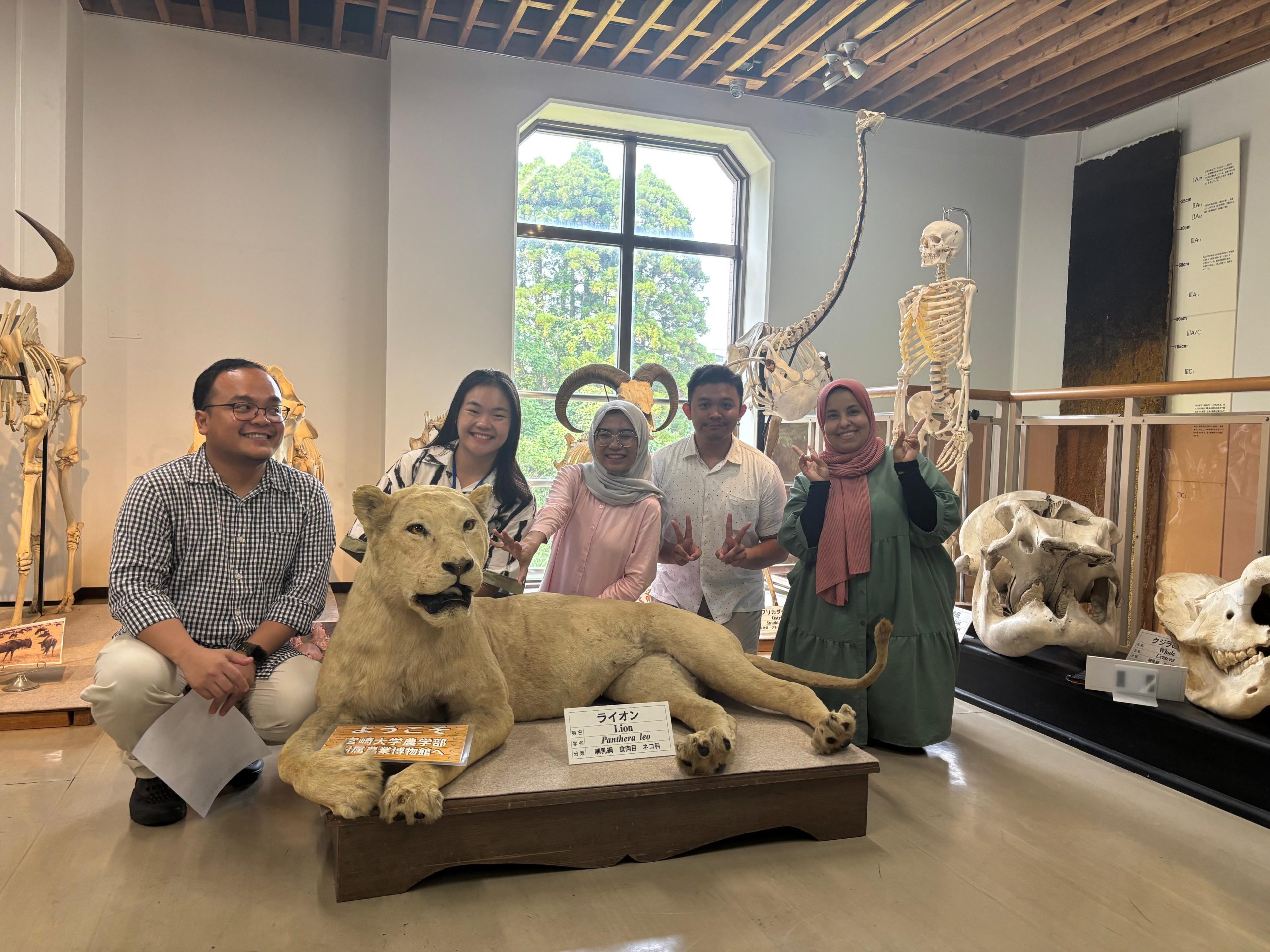
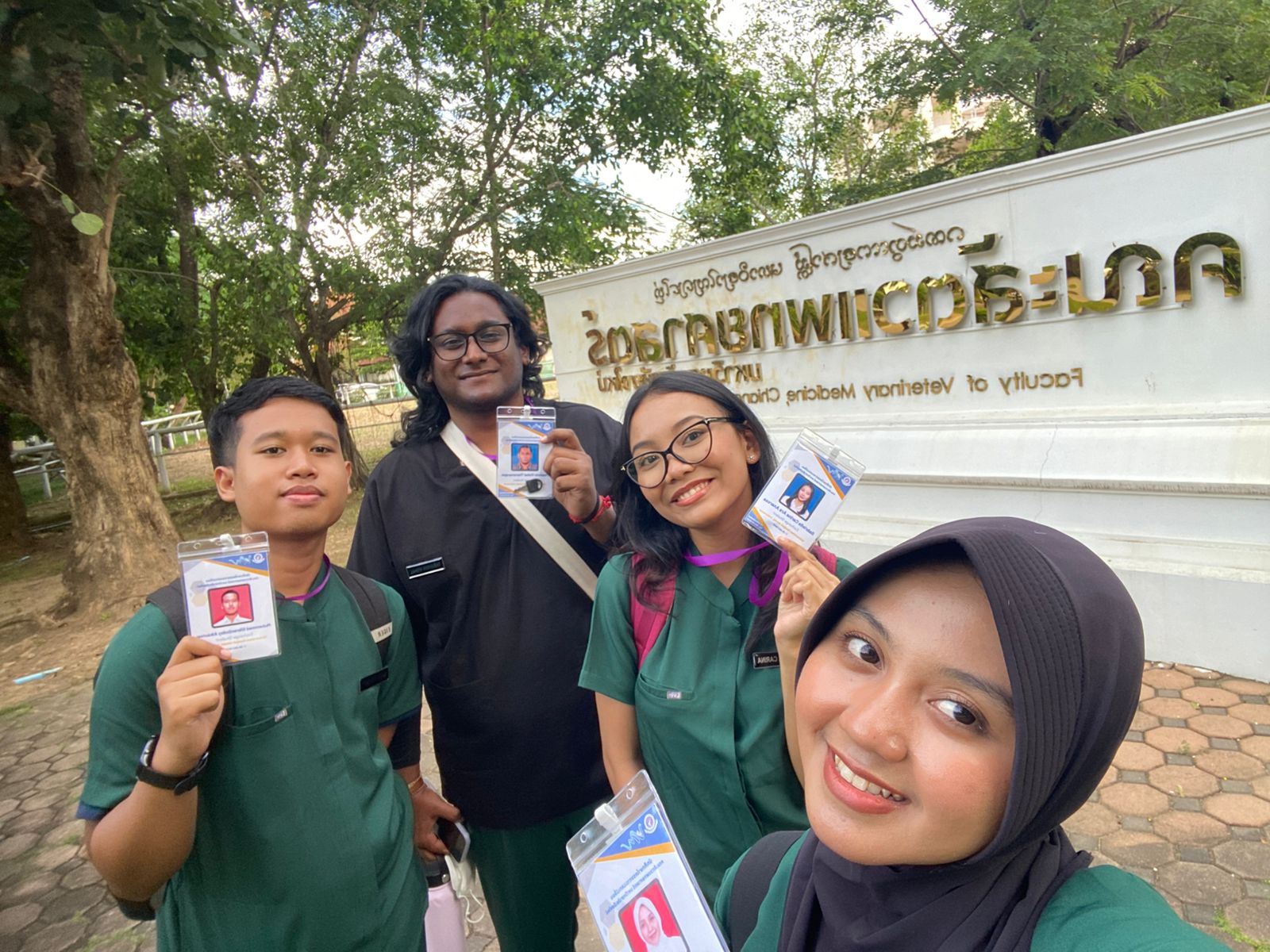
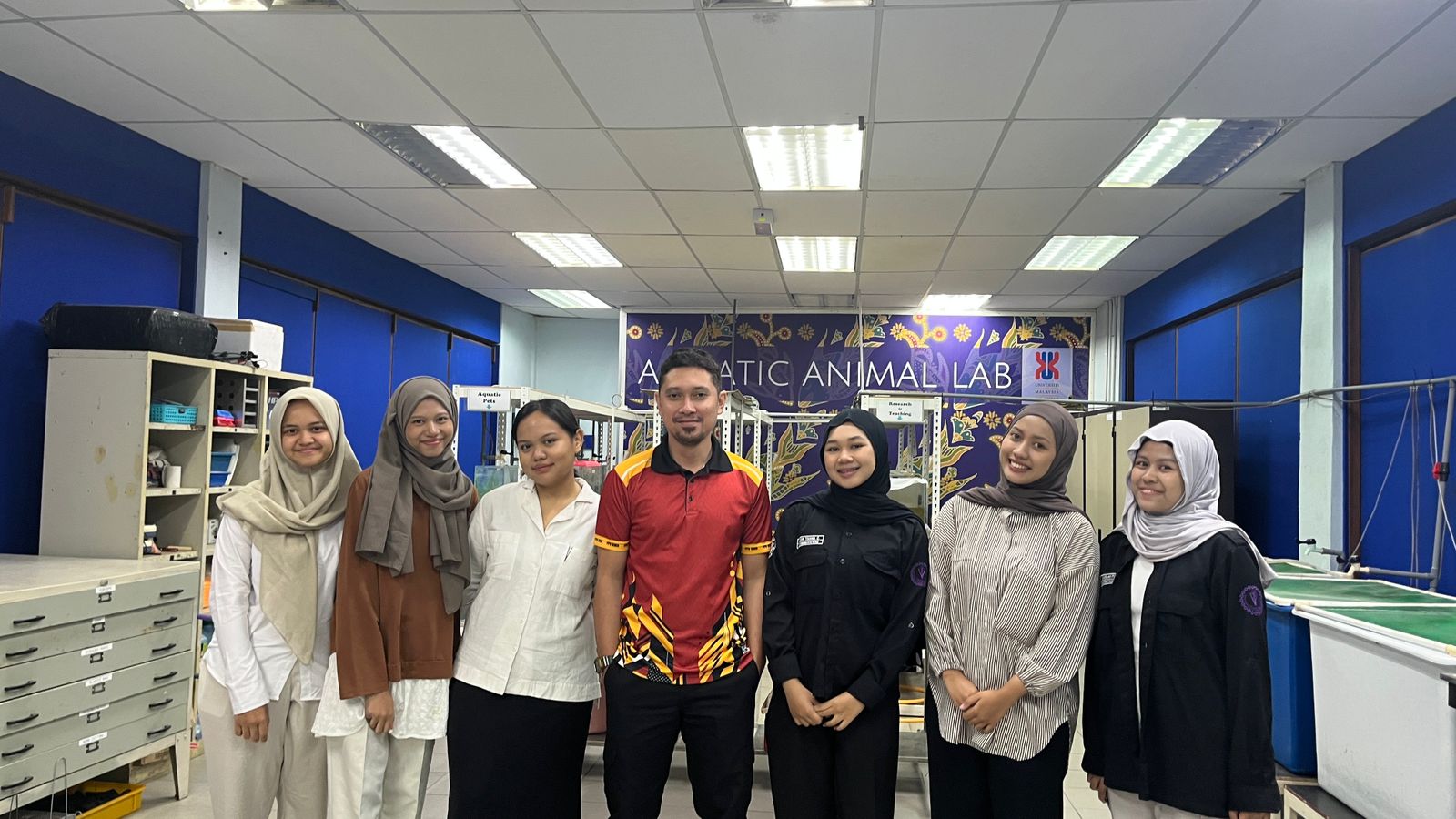
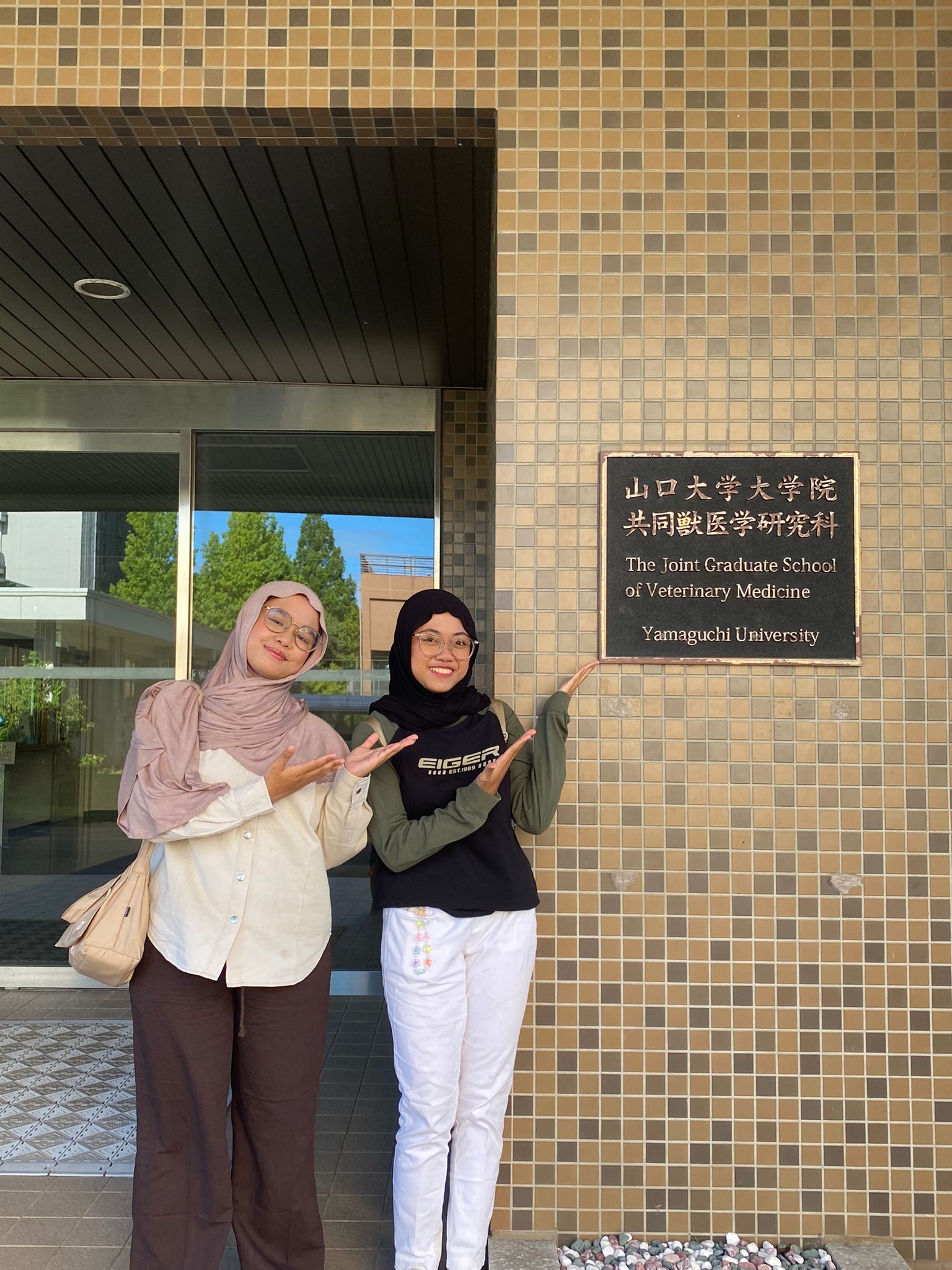
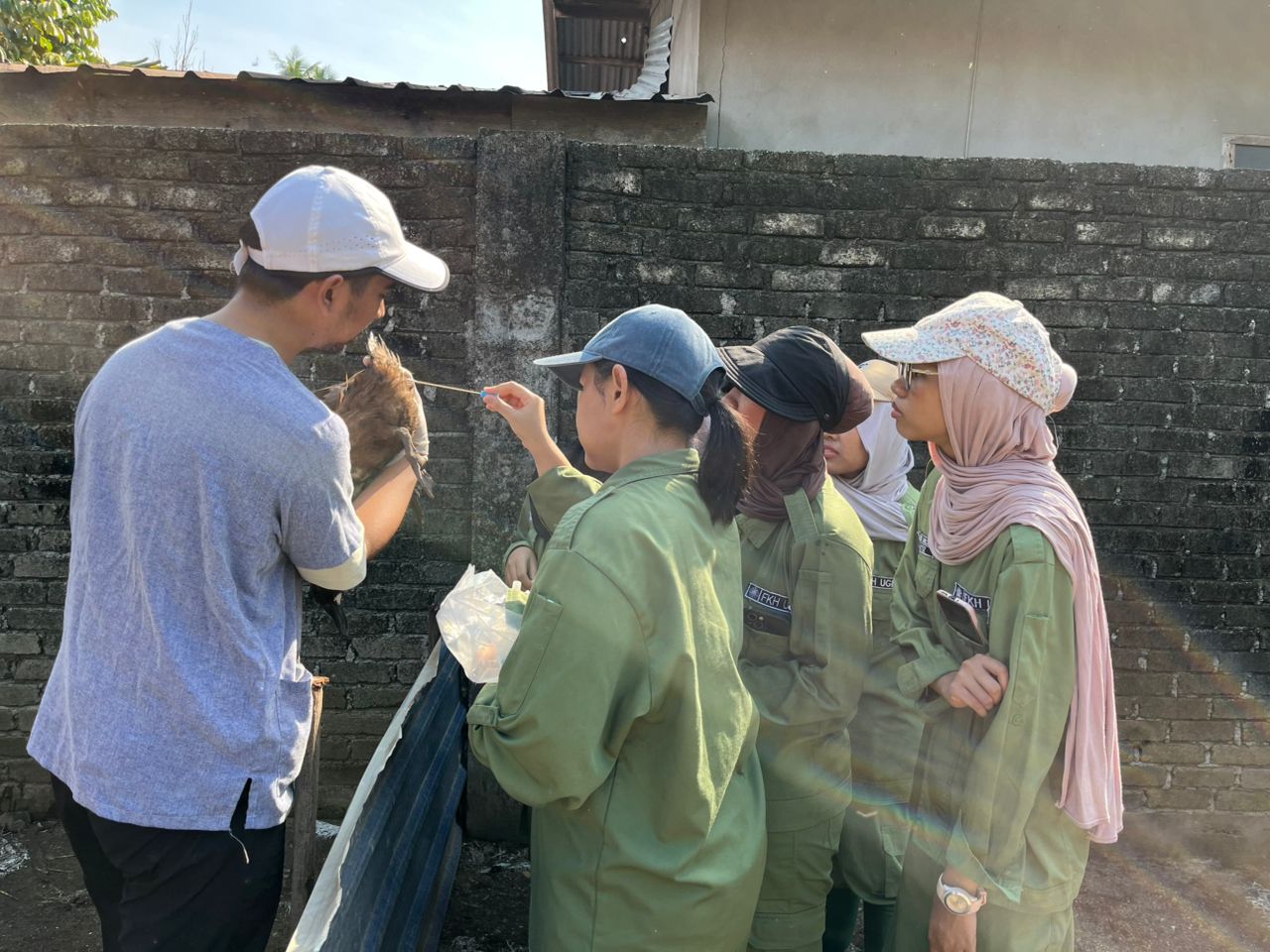
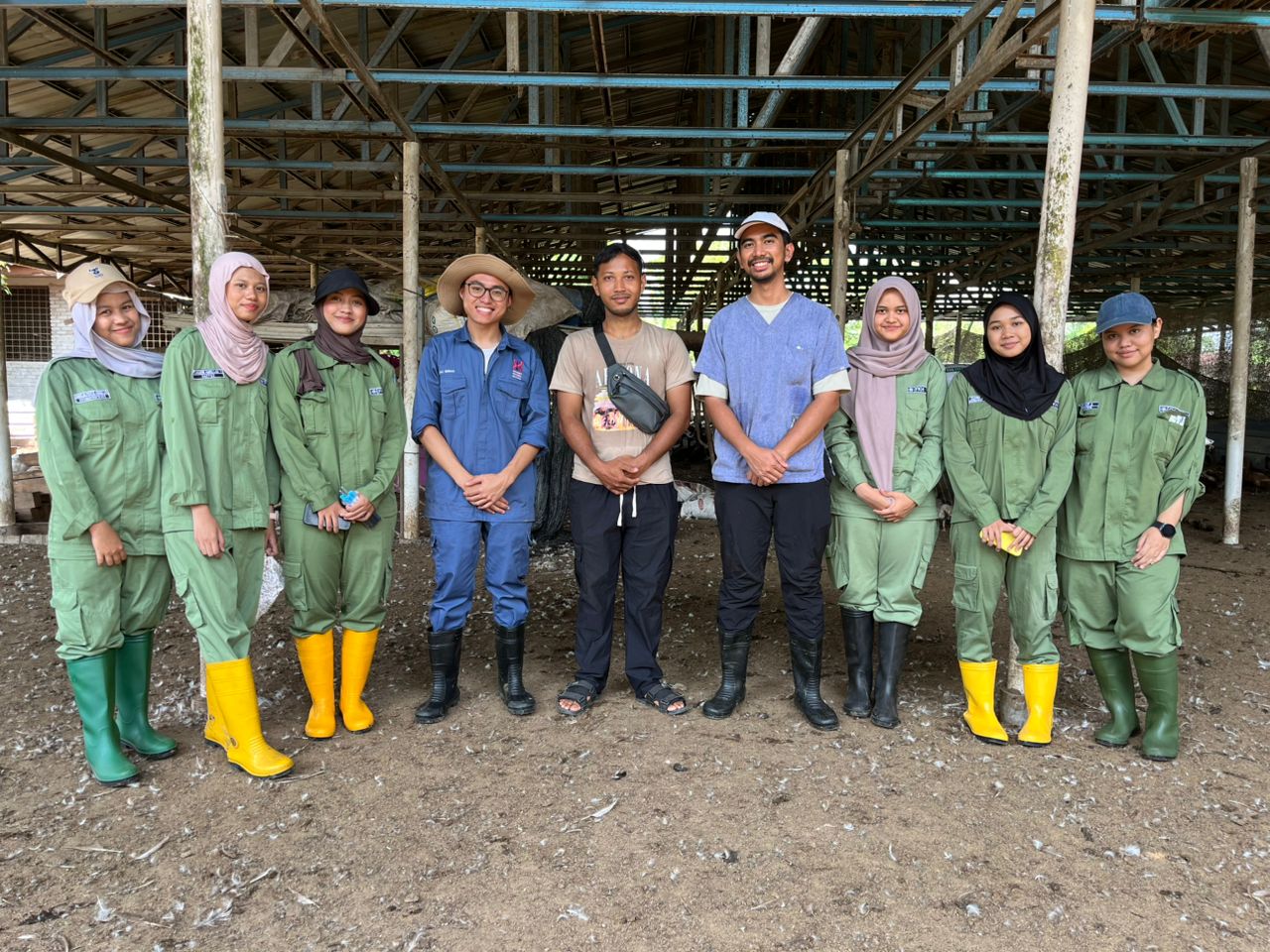
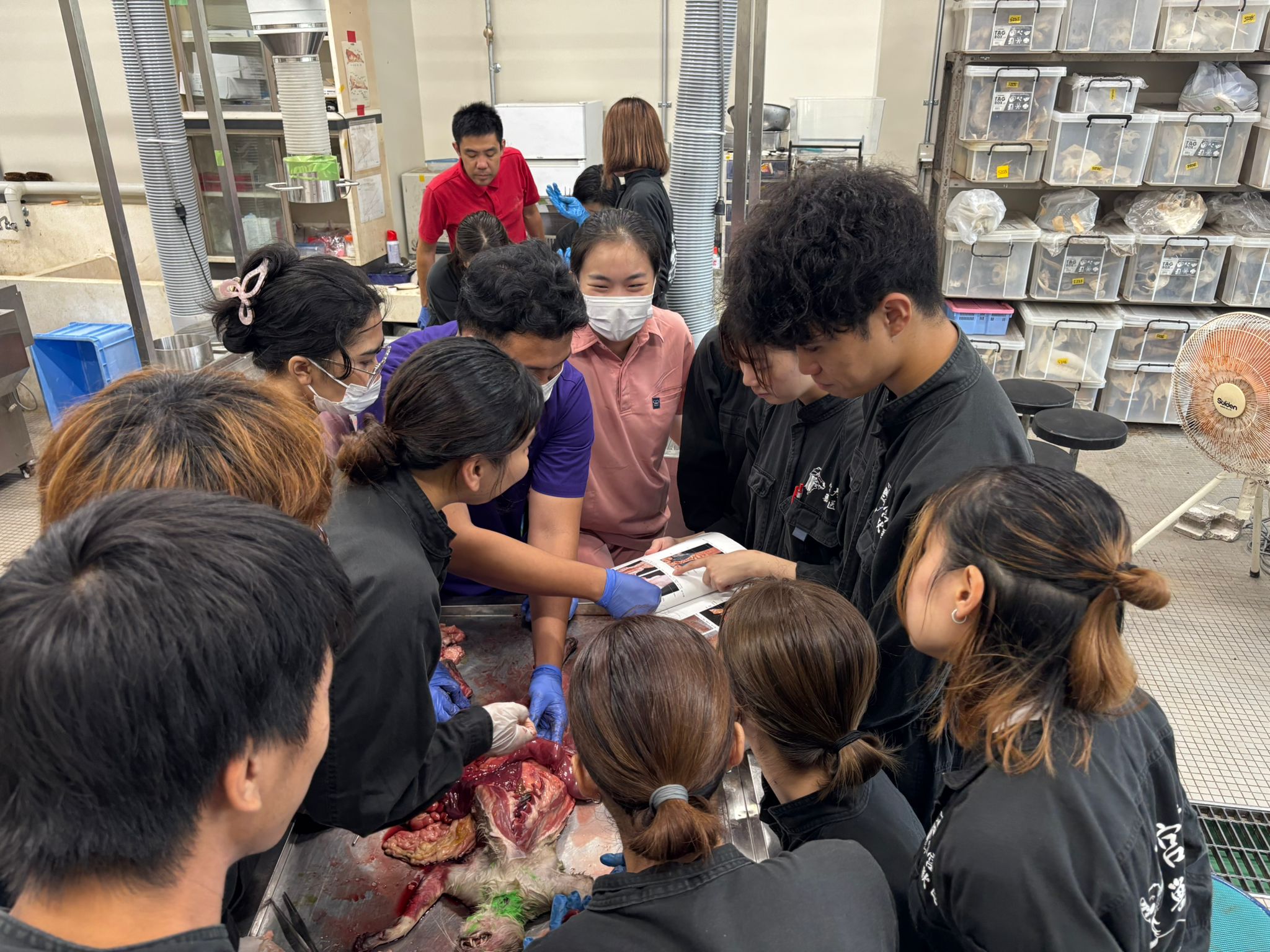
The Faculty of Veterinary Medicine (FVM) Universitas Gadjah Mada (UGM) sent 15 students on a non-credit Student Exchange and Visit Study program to four universities in three different countries. Three students visited and learned at the University of Miyazaki, Japan, three students went to Chiang Mai University in Thailand, two students are heading to Yamaguchi University in Japan, and the rest six students went to Universiti Malaysia Kelantan. The students participating in this program consisted of various batches such as students from 2024 (2nd semester) batch, 2023 (4th semester) batch, and 2021 (8th semester) batch.

The 2025 Student Mobility Program ran from July to August during the semester break. The activities provided during the exchange were varied, including campus tours at the opening ceremony, practical work in veterinary laboratories, attending lectures in classroom, interning at the Animal Hospital, and participating in cultural activities in the said countries and universities.

This program aims to provide international exposure to students especially about Veterinary Medicine schools and faculties abroad. Furthermore, it serves to broaden academic and non-academic knowledge, expanding networks with professionals and fellow Veterinary Medicine students in the international community, supporting students’ global competencies development, and ensuring the faculty’s international reputation as well as enhancing collaboration.

This activity supports several SDGs goals such as point 4 Quality Education, and point 17 Partnership for the Goals.

PKMFEST 2025 Webinar: “Get to Know PKM: Don’t Miss a Chance to be Better Prepared”

Student Activity Wednesday, 16 July 2025

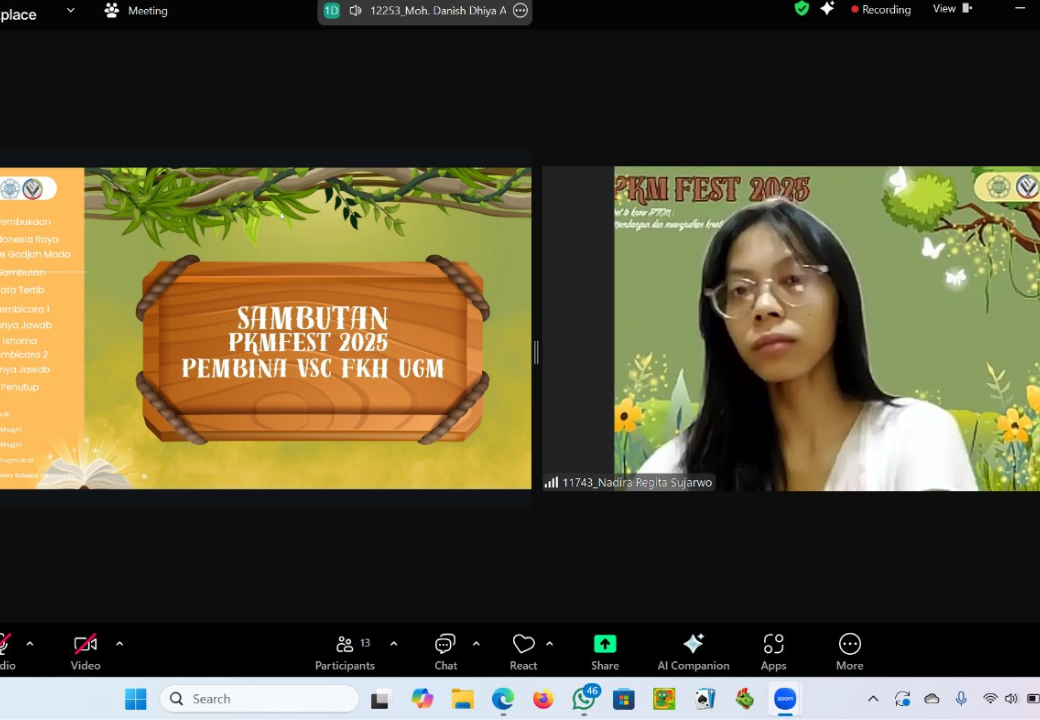
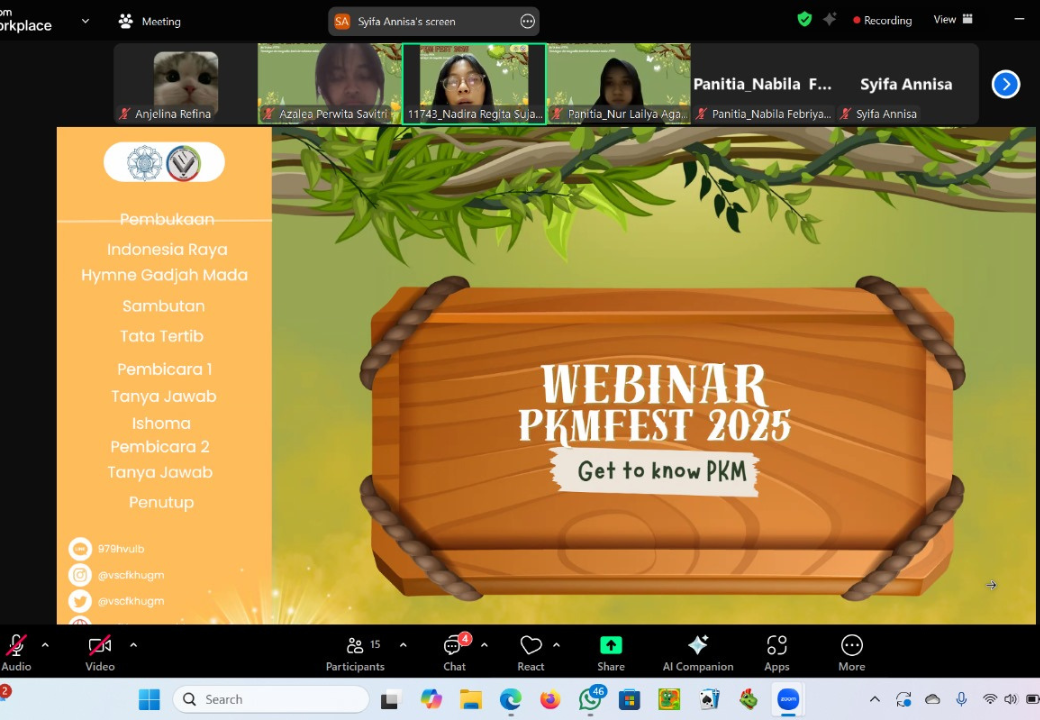
On Thursday, June 26th, 2025, PKMFEST Webinar was held as one of the work programs of Research Department Veterinary Science Community (VSC) Faculty of Veterinary Medicine (FVM) UGM. It was held online via zoom meeting in the form of material presentation and discussions delivered by two speakers, Dr. Vista Budiariati, DVM., M.Si. as the lecturer of FVM UGM and Diah Adhenia Ernis Putri Mustikaingtyas as Gold Medalist of PKM-RE Presentation PIMNAS 37 2024. This activity is open to all UGM students. PKMFEST as an annual work program aims to increase UGM students’ understanding of the ten PKM fields in general and their differences, spark ideas according to the chosen PKM field, and have a contribution in PKM activities. This year, PKMFEST raised the theme “Get to Know PKM: Build and Increase Students’ Creativity through PKM”.

The first material was delivered by Diah Adhenia Ernis Putri Mustikaingtyas, highlighting the introduction of ten PKM fields in general, the benefits of participating in PKM, the dynamics that exist when participating in PKM, tips to choose the PKM field, explore ideas, how to determine PKM titles, and what strategies to be done so that they can pass national level (PIMNAS). In addition, the speaker also shared the dynamic experiences during PKM activities, from the beginning of making proposals to winning the gold medal of PKM-RE Presentation PIMNAS 37 2024.

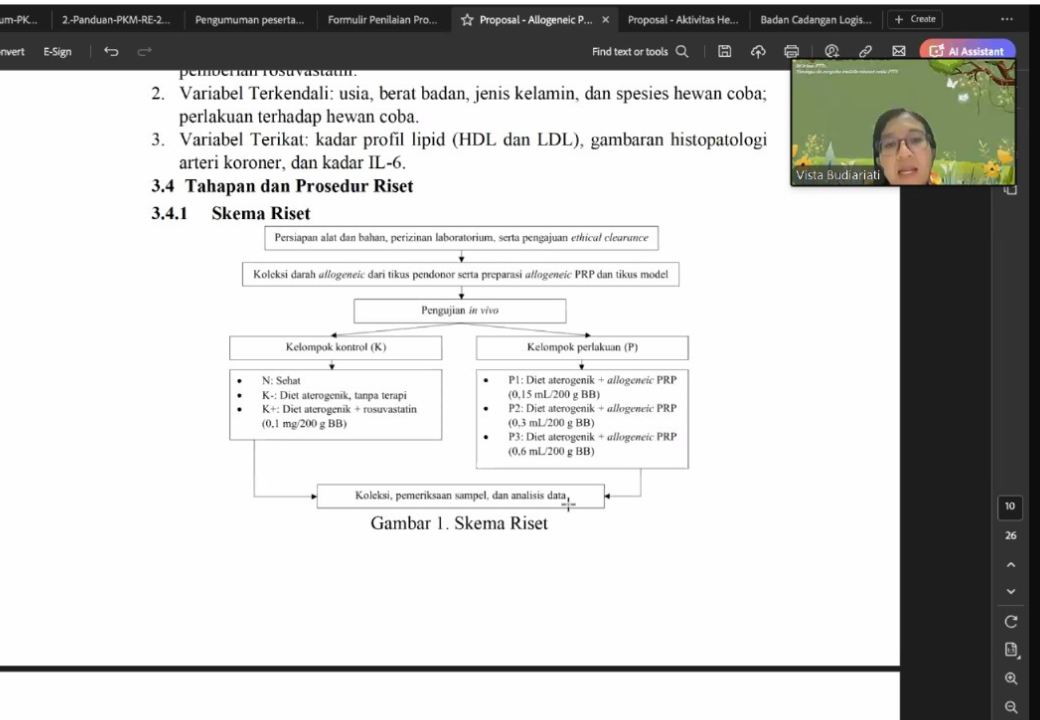
The second material was delivered by Dr. Vista Budiariati, DVM., M.Si. She shared about PKM proposal review, discussing ideas and themes, structure, language rules, and common mistakes in proposals. The presentation of the material by the speaker took place by dissecting and evaluating the proposal of one of the students who passed the internal selection of PKM UGM in 2024 in detail. This material aimed to inform students about the outline of PKM proposals, so the participants are able to get insight and be better prepared for their own.

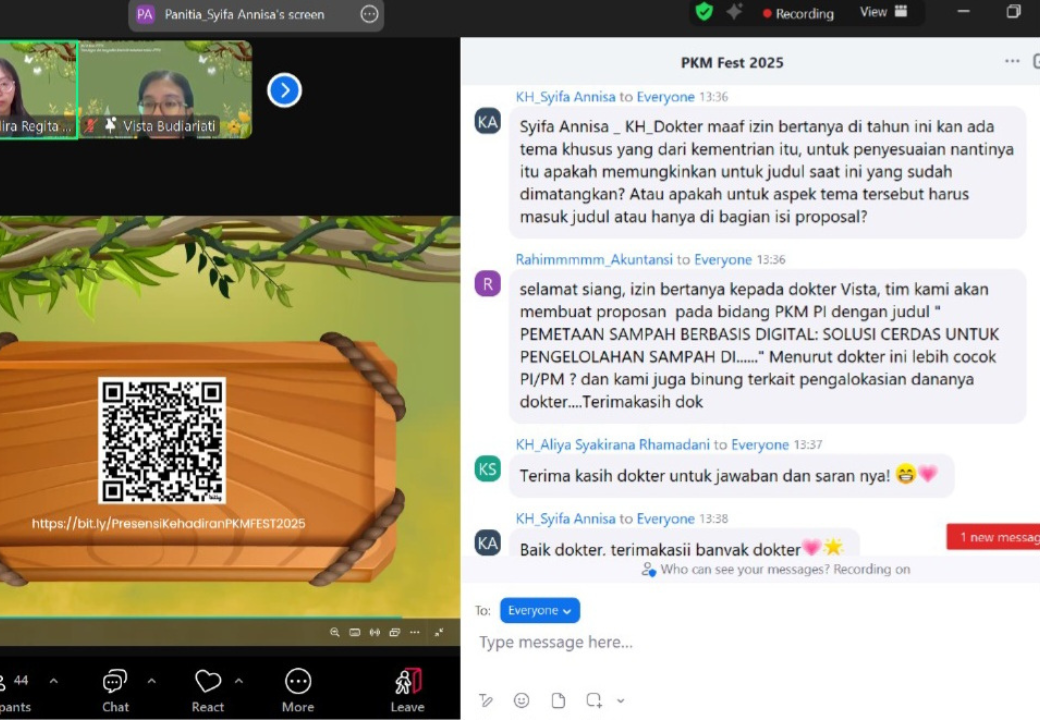
At the end of each presentation, there was a question-and-answer session. The discussion was asking enthusiastically. During the series of activities, participants gained knowledge in making PKM proposals and successful strategies for participating in PKM. In addition, participants also received a certificate to mark their attendance.

This activity support SDGs 4 value namely Quality Education through presentation and discussion with experienced speakers. Therefore, it is hoped that the material presented by the speakers can be applied well in the preparation of PKM activities. In addition, this activity also supports SDGs 10: Reducing Inequality by providing equal opportunities for all UGM students without exception to prepare them for PKM activities.

WILDLIFE XPDC 2025: The Hidden Treasures of Mount Merapi

Student Activity Wednesday, 2 July 2025

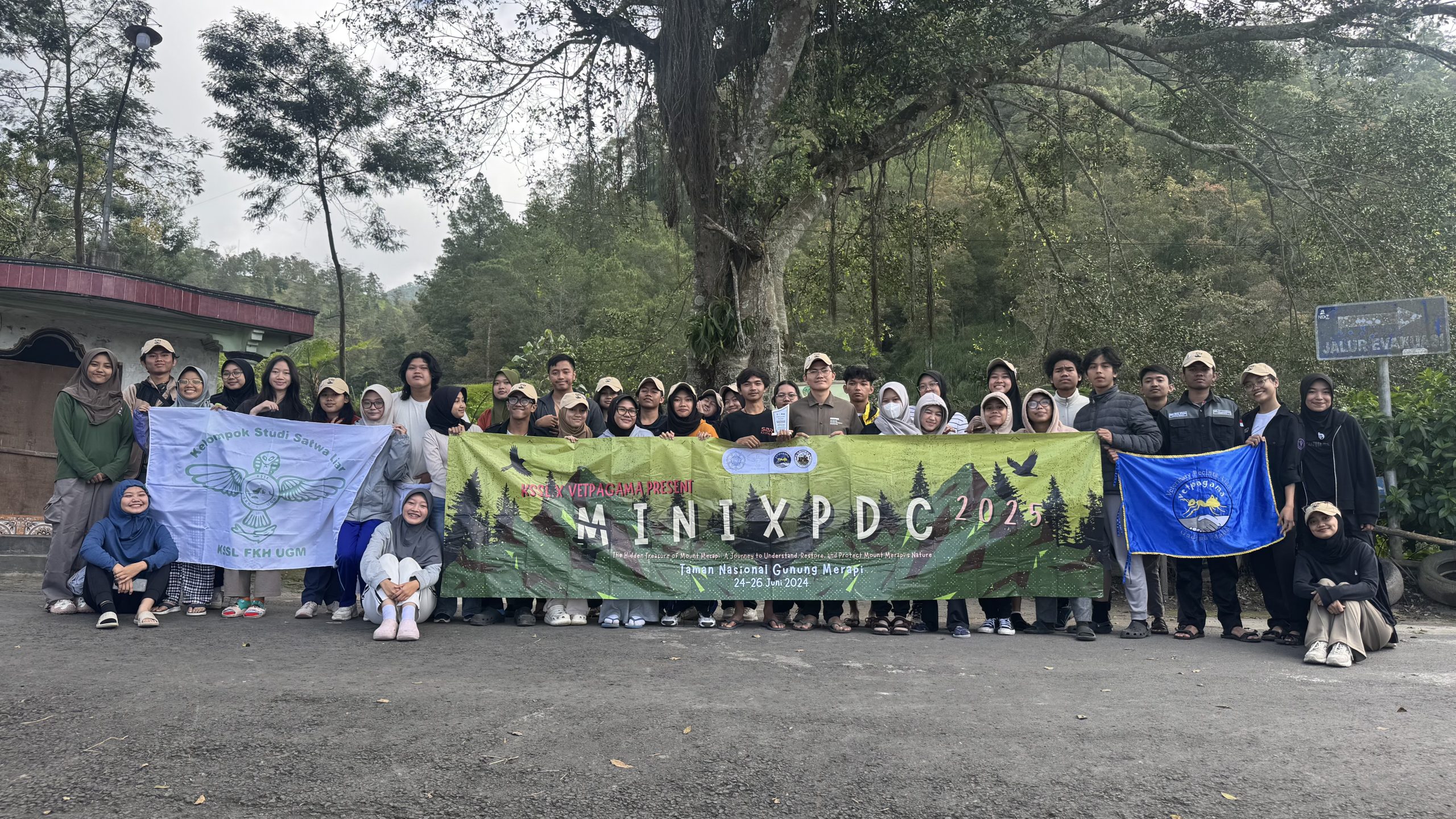
Wildlife Expedition is a collaborative activity between the Wildlife Study Group (KSSL) and the Veterinary Pecinta Alam Gadjah Mada (VETPAGMA) FVM UGM. The theme raised this year is “The Hidden Treasures of Mount Merapi: A Journey to Understand, Restore, and Protect Mount Merapi’s Nature.” This activity aims to familiarize participants with the behavior of wild animals in their natural habitat, foster a conservation spirit toward wildlife, and raise awareness and understanding of the importance of biodiversity conservation, especially reptiles and aves, which are vital components of the ecosystem in Mount Merapi National Park.

This Wildlife Expedition was held from June 24 to 26, 2025, in Sapuangin, Tegalmulyo, Kemalang, Klaten, Central Java, attended by 39 participants. Before the activities took place, preparations were carried out including surveys, briefings, and physical training. The survey was conducted on May 15, 2025, to confirm the presence of the target animals for observation, identify strategic observation points, and assess access routes to the observation sites. The first briefing was held on Sunday, May 25, 2025, covering the basic introduction to the expedition activities. The second briefing took place on Saturday, June 14, 2025, with materials revolving around survival, medical, and an introduction to animals likely to be found in Sapuangin by the committee from the aves and reptile divisions. After the briefings, physical training was conducted at Wisdom Park UGM. On June 21, 2025, a technical meeting was held to explain the event schedule during the expedition and the equipment that needed to be prepared.

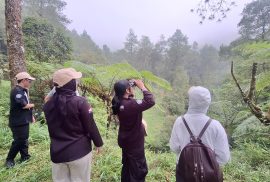
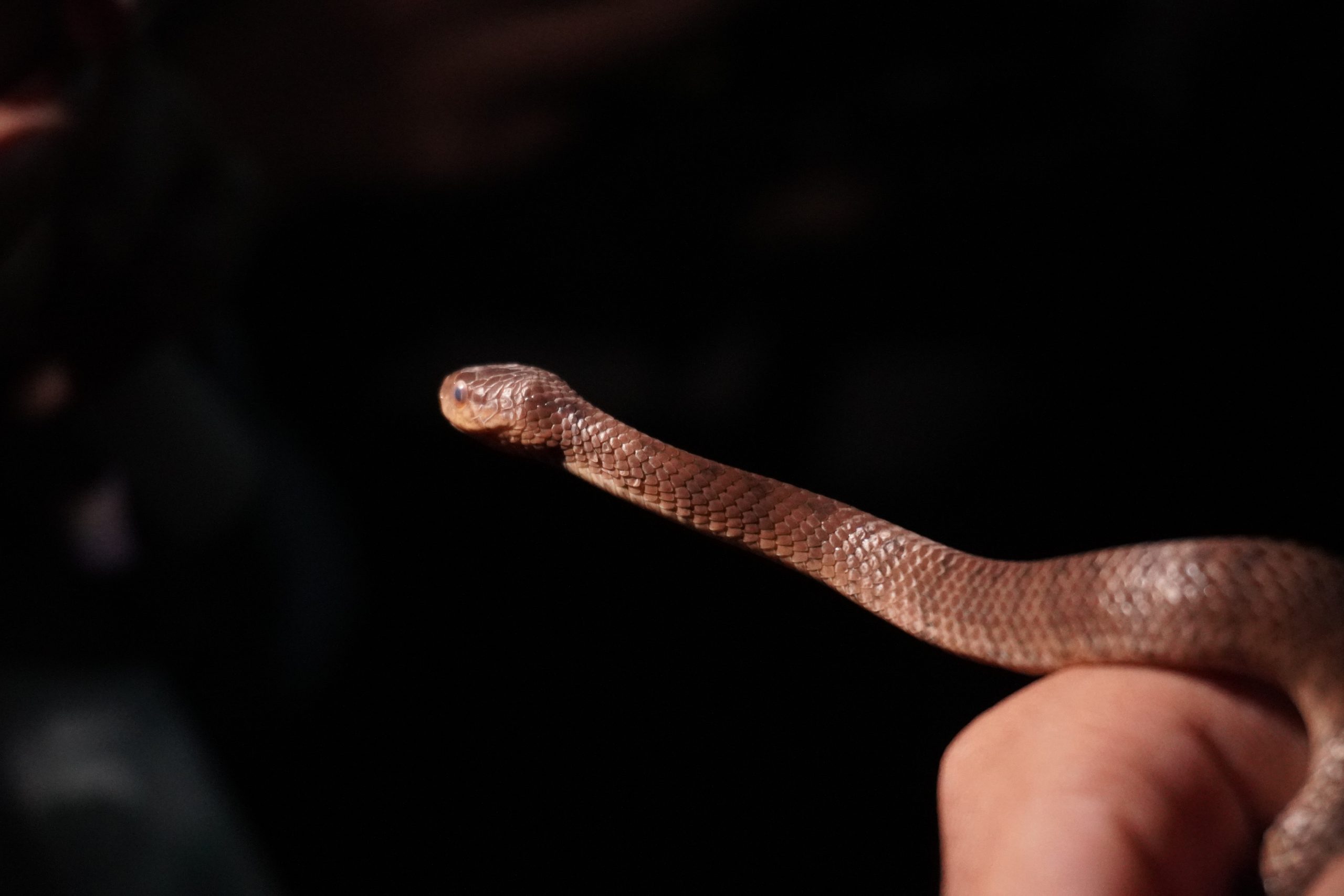
Departure began at 08.00 AM WIB on June 24, 2025, from FVM UGM to Sapuangin. On the first day, activities included tracking during the day and herping, or reptile observation, at night. The participants were divided into four groups with two tracking routes. Tracking started at 02.30 PM WIB, resulting in the observation of several animal species, including long-tailed macaques (Macaca fascicularis) and Javan lutung (Trachypithecus auratus). Herping activities began at 09.00 PM WIB, aimed at facilitating the identification and observation of reptiles, considering many reptiles are nocturnal. From these activities, species such as the snail-eating snake (Pareas carinatus) and the crested lizard (Bronchocela jubata) were found.

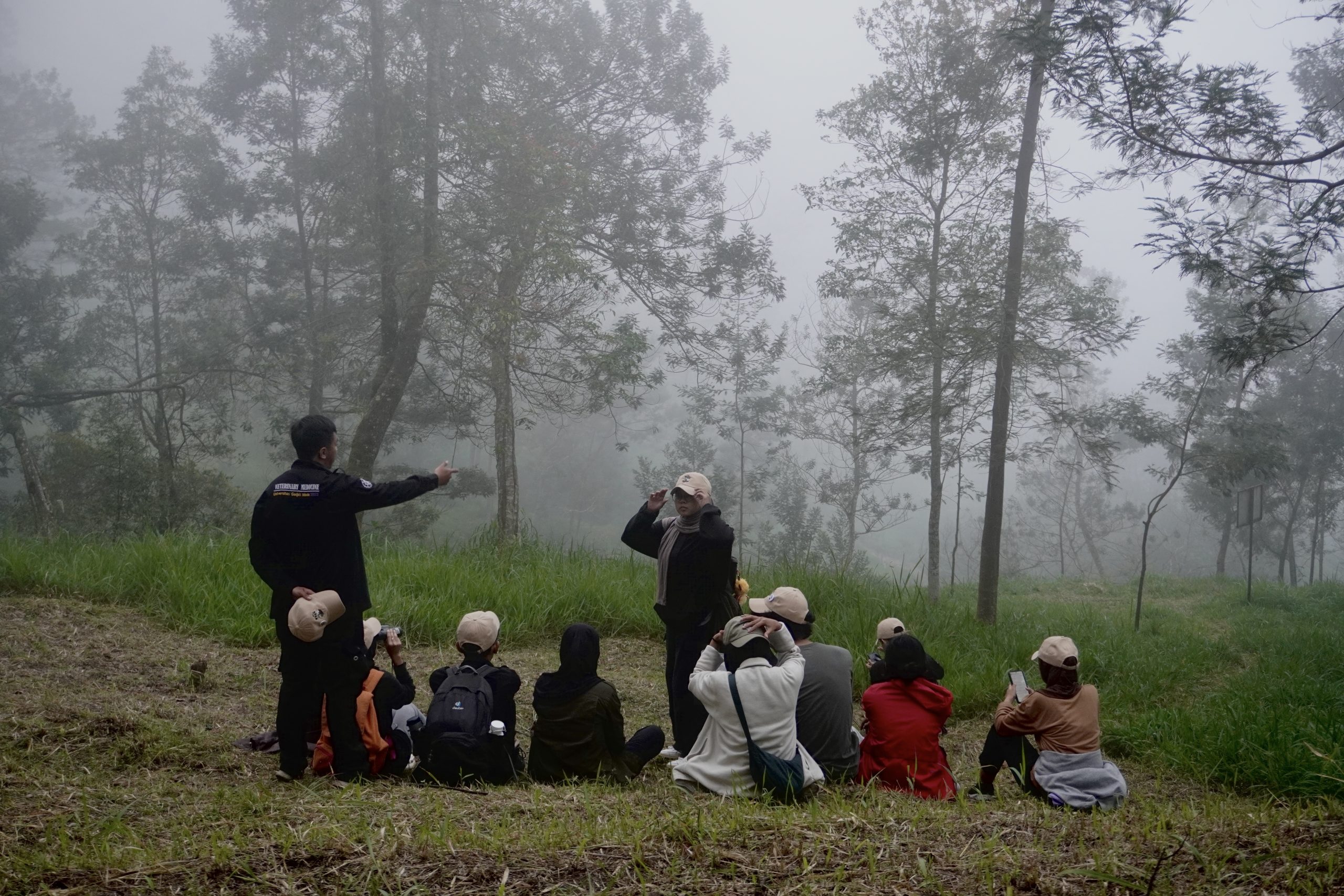
On the second day, the activities consisted of aves observation and a briefing on how to set up tents, delivered by the Vetpagama committee. Aves observation started at 07.00 AM WIB, as most birds are active at that time searching for food, singing, and moving, thus making them easier to spot. Participants were divided into three groups with three trekking routes. Several bird species were observed, including the collared kingfisher (Todiramphus chloris), black-naped oriole (Oriolus chinensis), and common iora (Aegithina tiphia). Following this, a briefing session was held by the VETPAGAMA committee on how to set up a tent. This session covered important steps for setting up a tent correctly and efficiently, aiming to enhance participants’ knowledge of this skill as part of preparing for field observations.

Wildlife Expedition concluded with participants sharing their impressions and feedback, followed by a group photo session and the return trip to FVM UGM on June 26, 2025. This Wildlife Expedition contributes to achieving the Sustainable Development Goals, particularly Goal 4 on quality education, goal 13 Climate Action and Goal 15 on Life on land. Overall, participants expressed satisfaction and enthusiasm throughout the event and gained valuable knowledge and experience.

Department of Pharmacology, FVM UGM Hosts Guest Lecture with Assoc. Prof. Dr. Arifah Abdul Kadir on “Veterinary Nanotoxicology”

Student Activity Thursday, 26 June 2025

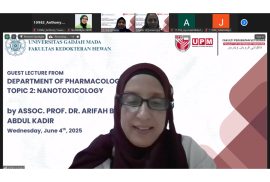
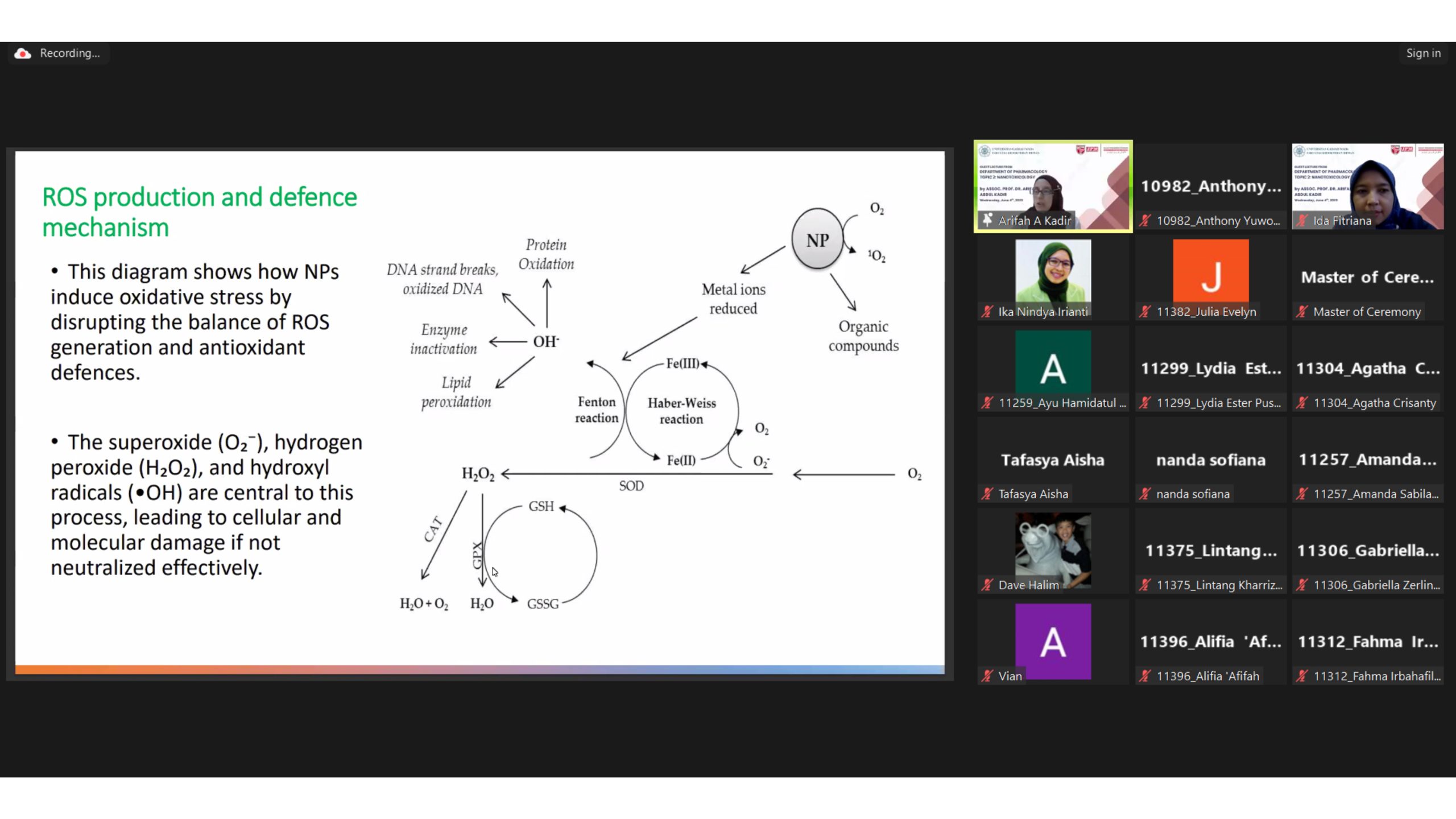
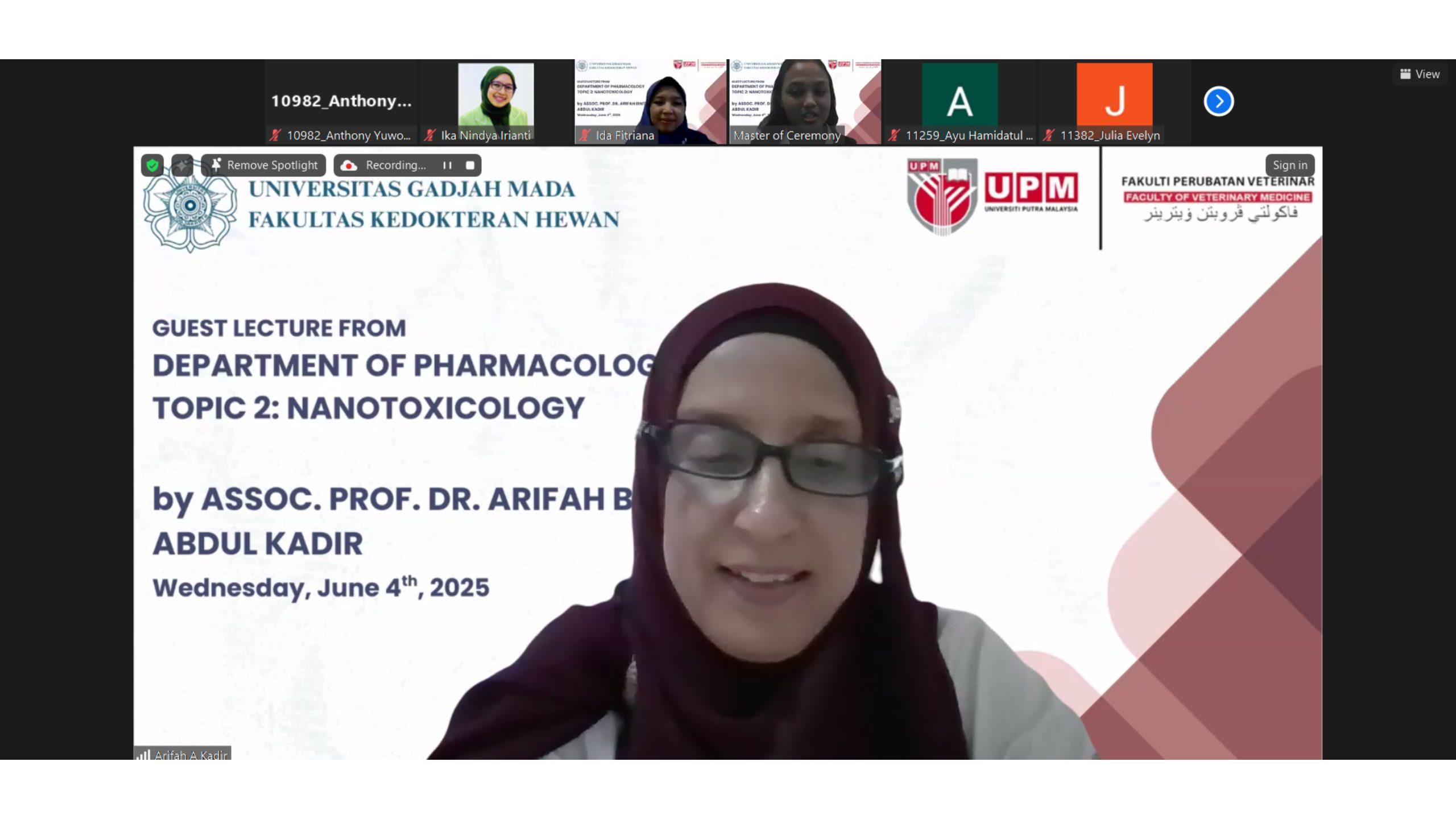
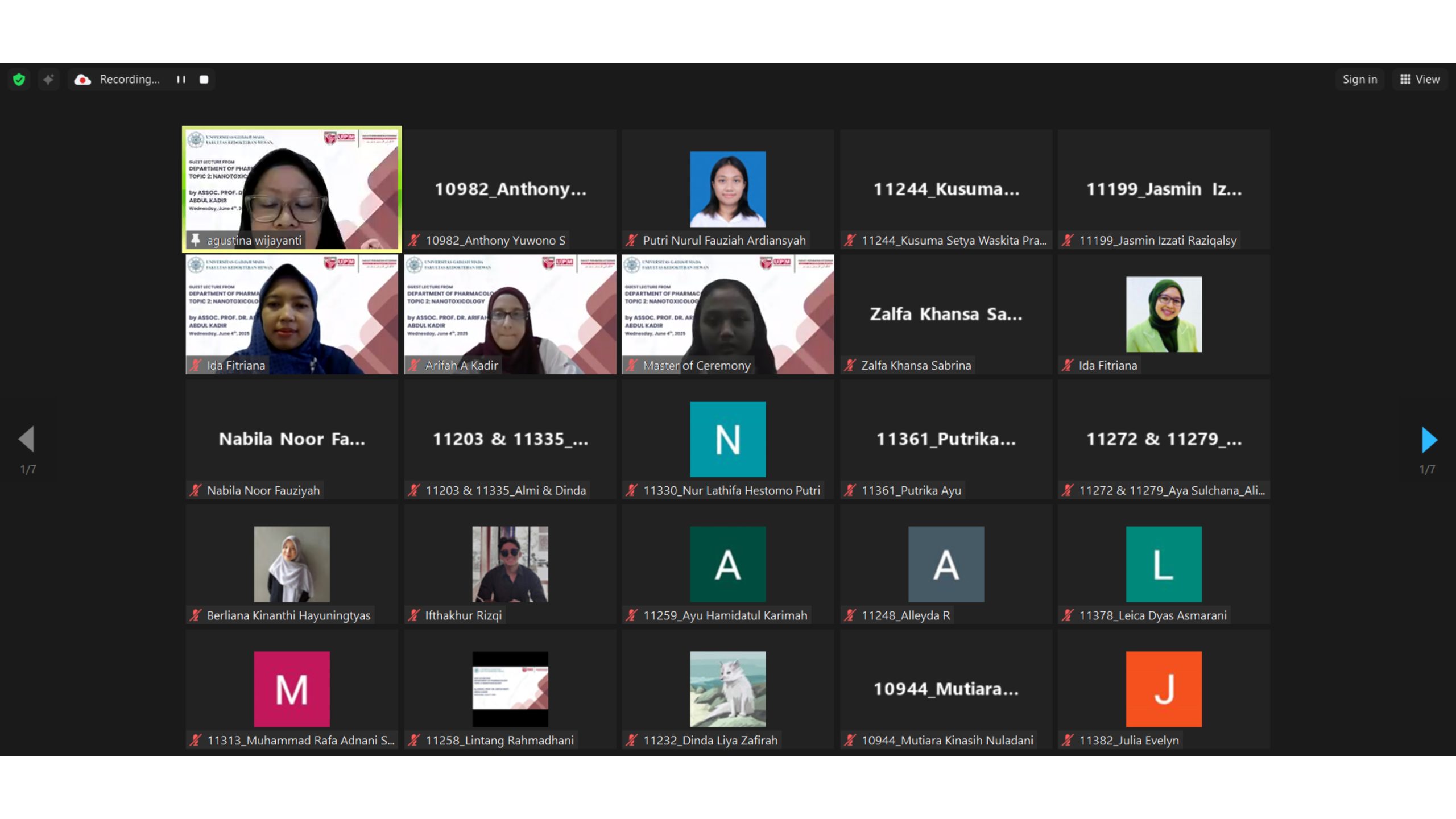
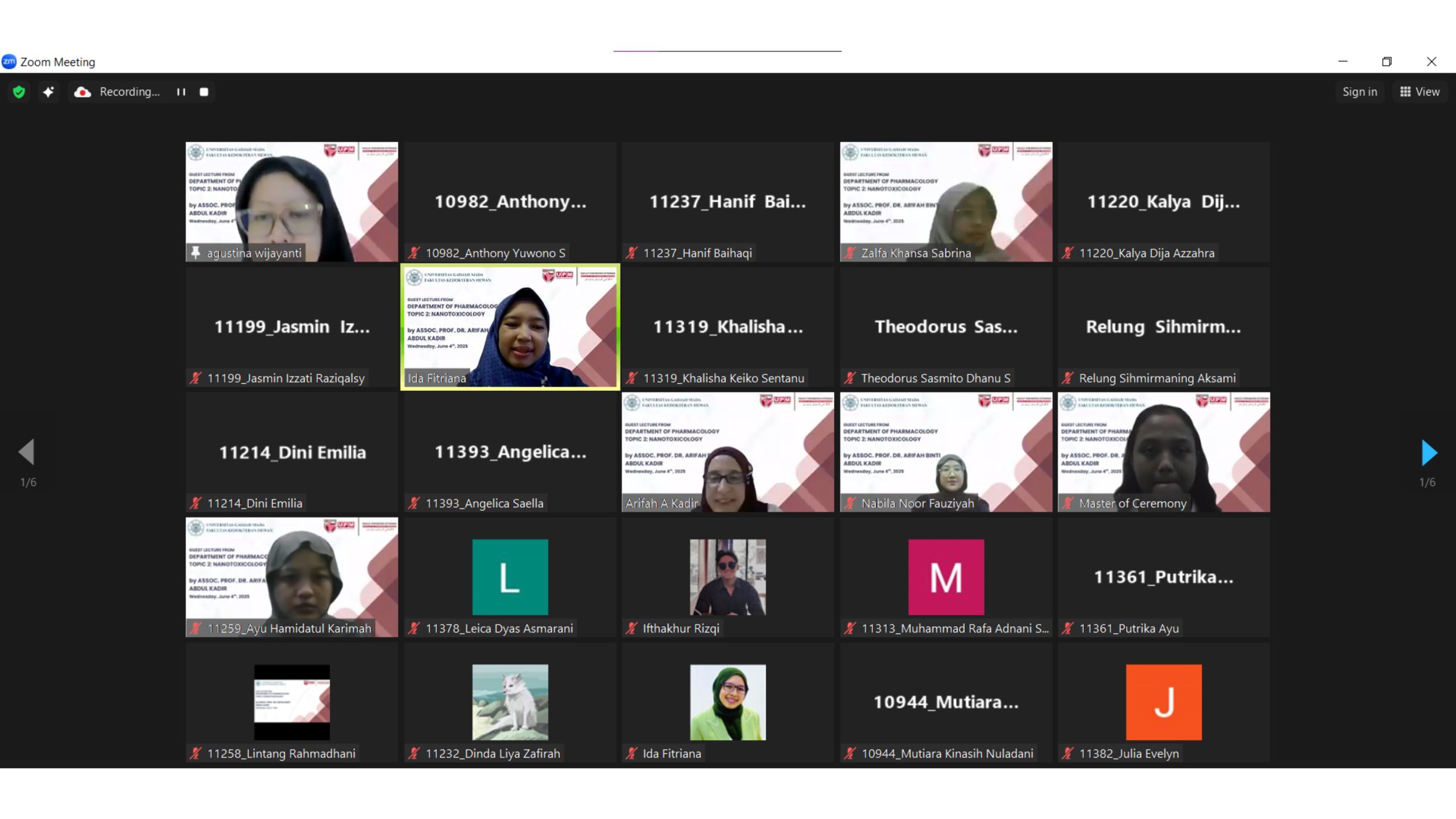
On June 4, 2025, the Department of Pharmacology, Faculty of Veterinary Medicine (FVM) Universitas Gadjah Mada (UGM) held a guest lecture featuring Assoc. Prof. Dr. Arifah Abdul Kadir from Universiti Putra Malaysia. This event, conducted online, marked the second guest lecture organized by the department, focusing on the emerging field of nanotoxicology. The lecture aimed to broaden the horizons of students regarding the potential impacts of nanotoxicology on living organisms, particularly animals.

The event was opened by the Head of the Department of Pharmacology, Prof. Dr. drh. Agustina Dwi Wijayanti, M.P. In her opening remarks, she expressed her highest appreciation to Assoc. Prof. Dr. Arifah Abdul Kadir for providing students with the opportunity to explore new knowledge in the field of veterinary nanotoxicology. Prof. Agustina emphasized the importance of such programs in enhancing students’ understanding of pharmacological sciences in the field of nanotoxicology and their relevance to sustainable education.

Assoc. Prof. Dr. Arifah Abdul Kadir highlighted that nanotoxicology is a crucial aspect of toxicology that often goes unnoticed. The effects of nanotoxic substances can be significant, even if they are not visible. Understanding nanotoxicology is essential for advancing veterinary medicine and ensuring the safety of animals in agricultural practices. This aligns with the Sustainable Development Goals (SDGs) related to affordable medicines and education for sustainability.

During her presentation, Dr. Arifah discussed the implications of nanotoxicology on biodiversity and the health of various animal species. She pointed out that assessing the potential risks associated with these innovations is vital as agriculture increasingly incorporates nanotechnology. This knowledge empowers students and future professionals to make informed decisions leading to safer agricultural practices and better animals’ health outcomes.

The guest lecture also emphasized the importance of global education partnerships. By collaborating with experts like Assoc. Prof. Dr. Arifah, the Department of Pharmacology at FVM UGM aims to foster creativity and innovation among its students. Such collaborations are essential for developing a comprehensive understanding of complex issues like nanotoxicology, which requires interdisciplinary approaches.

Furthermore, the lecture served as a platform for empowering women in science. As a prominent female scientist, Assoc. Prof. Dr. Arifah Abdul Kadir inspires all students pursuing careers in biomedical fields. Her presence at the lecture underscores the importance of gender equality and the empowerment of women in education and research.

The Department of Pharmacology at FVM UGM is committed to provide affordable education and access to knowledge for all students. By hosting such guest lectures, the department aims to enhance the educational experience and prepare students for future challenges in the field of veterinary medicine and beyond. The integration of nanotoxicology into the curriculum reflects a forward-thinking approach to education in developing countries.

In conclusion, the guest lecture by Assoc. Prof. Dr. Arifah Abdul Kadir on nanotoxicology was a significant event for the Department of Pharmacology at FVM UGM. Not only it  enriched the students’ understanding of a critical area of study but also reinforced the department’s commitment to sustainable education, global partnerships, and the empowerment of women in science.

FUNVETS #1 “Recognizing and Handling Psychological Abuse in Pet Animals” 2025

Student Activity Thursday, 26 June 2025

FunVets #1 is one of the annual programs organized by the Pet Loving Study Group (KSHK) of the Faculty of Veterinary Medicine UGM and is managed by the Department of Media and Design. This program aims to raise awareness about common animal welfare issues affecting companion animals through comic media, which is shared on KSHK’s Instagram and X accounts, as well as comic posters displayed on the Faculty of Veterinary Medicine’s bulletin boards. This approach allows the information to be delivered in a more engaging and easily accessible way to the general public.

The FunVets #1 2025 was held on Wednesday, May 28, 2025. The featured comic carried the theme “Recognizing and Handling Psychological Abuse in Pet Animals” which addressed the issue of abuse toward companion animals, both physical and psychological, that has become increasingly prevalent in recent times. The theme also explored the underlying causes of abuse, its impact on the animals, and appropriate methods of intervention.

The material for the creation of the FunVets #1 comic was derived from the results of the first Strategic Literature Review (Kastrat #1). Kastrat itself is a non-program activity conducted by the Interests and Talents. The conclusions drawn from the discussion in this activity were then adapted into an engaging and

easy-to-understand comic, ensuring that the information obtained from Kastrat could be effectively communicated to the wider public.

At the end of the comic page, a quiz question was included for the audience to answer in the comments section. During the FunVets #1 publication period, anyone who submitted an answer had the chance to win a doorprize from the FunVets #1 committee.

Through the FunVets #1 activity, it is hoped that public awareness across various segments of society will be increased regarding cases of abuse that frequently occur in companion animals. This way, if similar cases arise, the public can respond in a more appropriate and responsible manner. In addition to providing educational benefits, this activity also encourages student innovation in transforming complex discussion materials into a simpler, more informative, and easily accessible format for the wider community.

The FunVets #1 activity aligns with the objectives of the Sustainable Development Goals (SDGs), particularly Goals 3, 4, 9, 10 and 15. Learning about abuse that can befall animals is an effort to achieve a Good Health and Well-Being (SDGs: 3), especially related to Life on Land (SDGs: 15), pets. By delivering educational content in an engaging and accessible comic format, this program supports SDGs 4: Quality Education by providing relevant information that is easy for the general public to understand. Additionally, the use of social media and the transformation of complex discussion materials into creative content reflect SDGs 9: Infrastructure, Industry, and Innovation, as it utilizes digital technology and innovation for knowledge dissemination. Furthermore, by reaching diverse audiences regardless of background, this activity contributes to SDGs 10: Reduced Inequality, particularly in terms of equitable access to information and raising awareness about animal welfare issues within society.

123…18
Universitas Gadjah Mada

Faculty of Veterinary Medicine
Universitas Gadjah Mada

Jl. Fauna No. 2 Karangmalang, Yogyakarta 55281 Indonesia

fkh@ugm.ac.id
+62 (274) 6492088
+62 (274) 560862
+62 (274) 560861

© Faculty of Veterinary Medicine Universitas Gadjah Mada 2025

Aturan PenggunaanKontak

KEBIJAKAN PRIVASI/PRIVACY POLICY

[EN] We use cookies to help our viewer get the best experience on our website. -- [ID] Kami menggunakan cookie untuk membantu pengunjung kami mendapatkan pengalaman terbaik di situs web kami.I Agree / Saya Setuju